MSI Gaming GS65 8SG-016NL Stealth RAM upgrade specifications
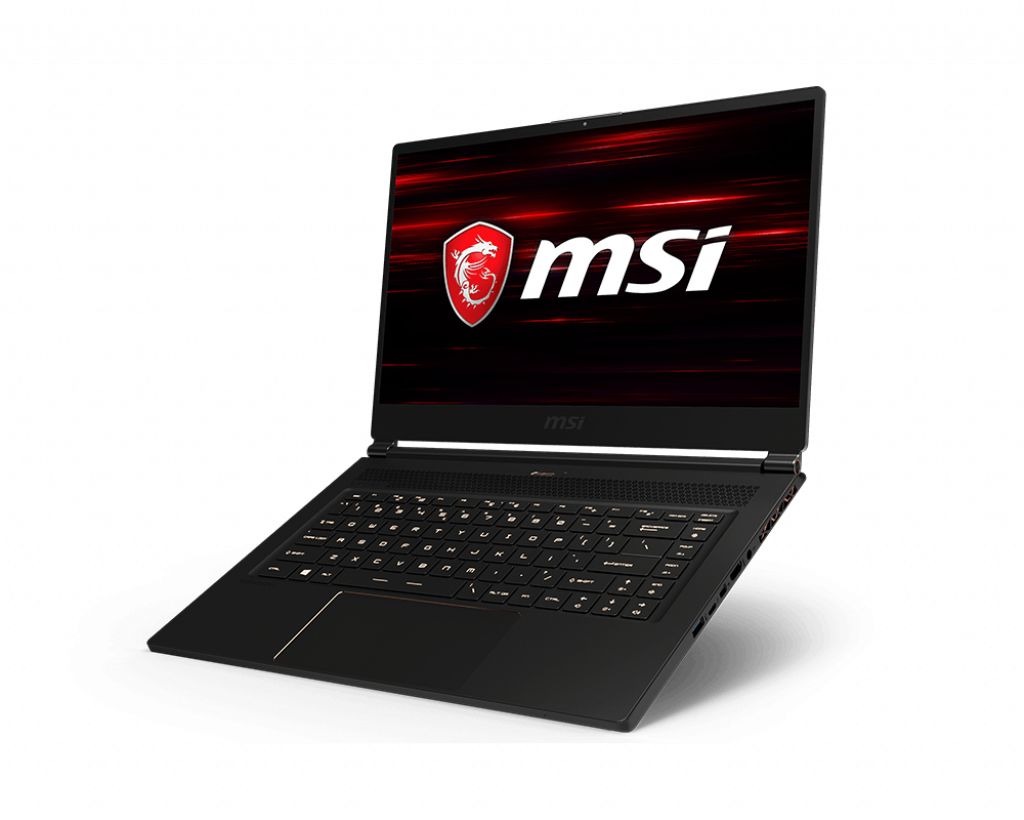



MSI GS65 8SG-016NL Stealth gaming laptop RAM upgrade specifications include DDR4-SDRAM memory compatible with 2x SO-DIMM slots. Maximum RAM capacity reaches 32 GB total, with supported frequency of 2666 MHz. The laptop's memory upgrade path supports standard SO-DIMM form factor modules, enabling users to expand from factory configurations up to the maximum specified capacity for enhanced multitasking and application performance.
Memory Upgrade Specifications
| Specification | Value |
|---|---|
| Memory slots | 2x SO-DIMM |
| Form factor | SO-DIMM |
| Memory type | DDR4-SDRAM |
| Frequency | 2666 MHz |
| Maximum RAM | 32 GB |
| Voltage | 1.2V |
| Number of pins | 260-pin |
| Interface | PC4 |
| PC Speed Rating | PC4-2666 (PC4-21328) |
| Bandwidth | 21.3 GB/s |
| Laptop Release date | 31 January 2019 |
Additional Notes
- The 32 GB ceiling reflects chipset-level addressing limitations common to 8th generation Intel mobile platforms, preventing higher capacity configurations regardless of module availability.
- DDR4-2666 represents the maximum JEDEC-certified speed supported by the memory controller, though some modules rated for higher frequencies will downclock automatically to this specification.
- Dual SO-DIMM architecture enables symmetric dual-channel operation when populated with matching modules, effectively doubling theoretical memory bandwidth compared to single-channel configurations.
- Asymmetric memory configurations, such as pairing modules of different capacities, may force the controller into flex mode or single-channel operation, reducing bandwidth by approximately 50 percent in bandwidth-sensitive workloads.
- Installing non-matching modules with different timing profiles can trigger automatic adjustment to the lowest common specifications, potentially introducing minor latency penalties.
- The absence of additional slots beyond the factory-equipped pair necessitates complete module replacement rather than supplementary installation when upgrading beyond the pre-installed capacity.
- Gaming-oriented thermal design in thin chassis configurations may subject memory modules to sustained elevated temperatures, making modules with factory heat spreaders impractical due to SO-DIMM height restrictions.
- Voltage requirements are standardized at 1.2V for DDR4, though low-voltage variants offer no compatibility advantage in this platform and may introduce unnecessary compatibility verification overhead.
- Memory access during CPU-intensive gaming scenarios benefits directly from dual-channel bandwidth, particularly in titles that stream texture data or maintain large physics calculation sets in system memory.
- The platform lacks support for ECC memory functions, limiting module selection to unbuffered non-parity types commonly marketed for consumer applications.
- Factory warranty terms typically permit user-accessible memory replacement without seal breakage, unlike storage or cooling system modifications that may void coverage.