MSI Gaming GS66 10SFS-410AU Stealth RAM upgrade specifications
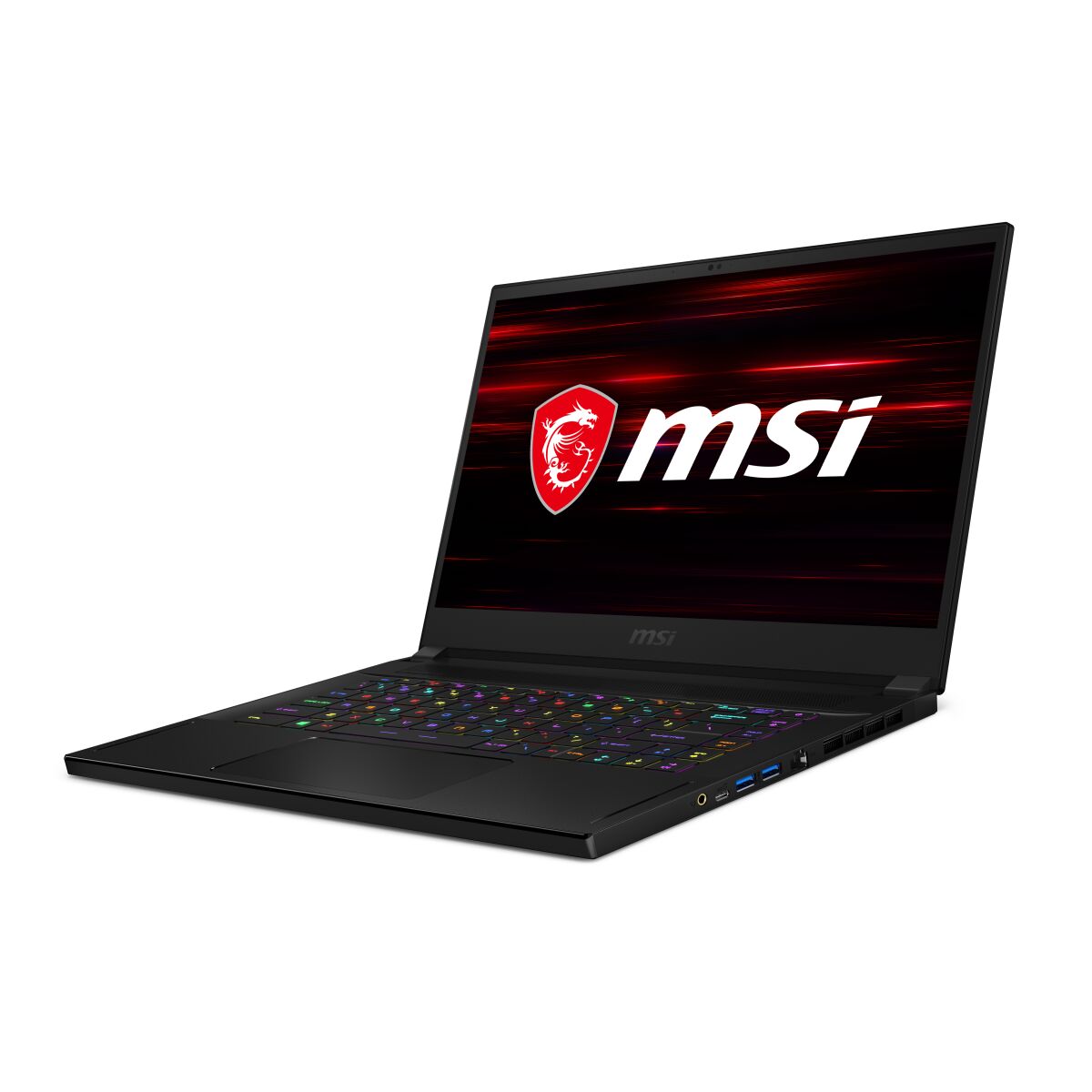
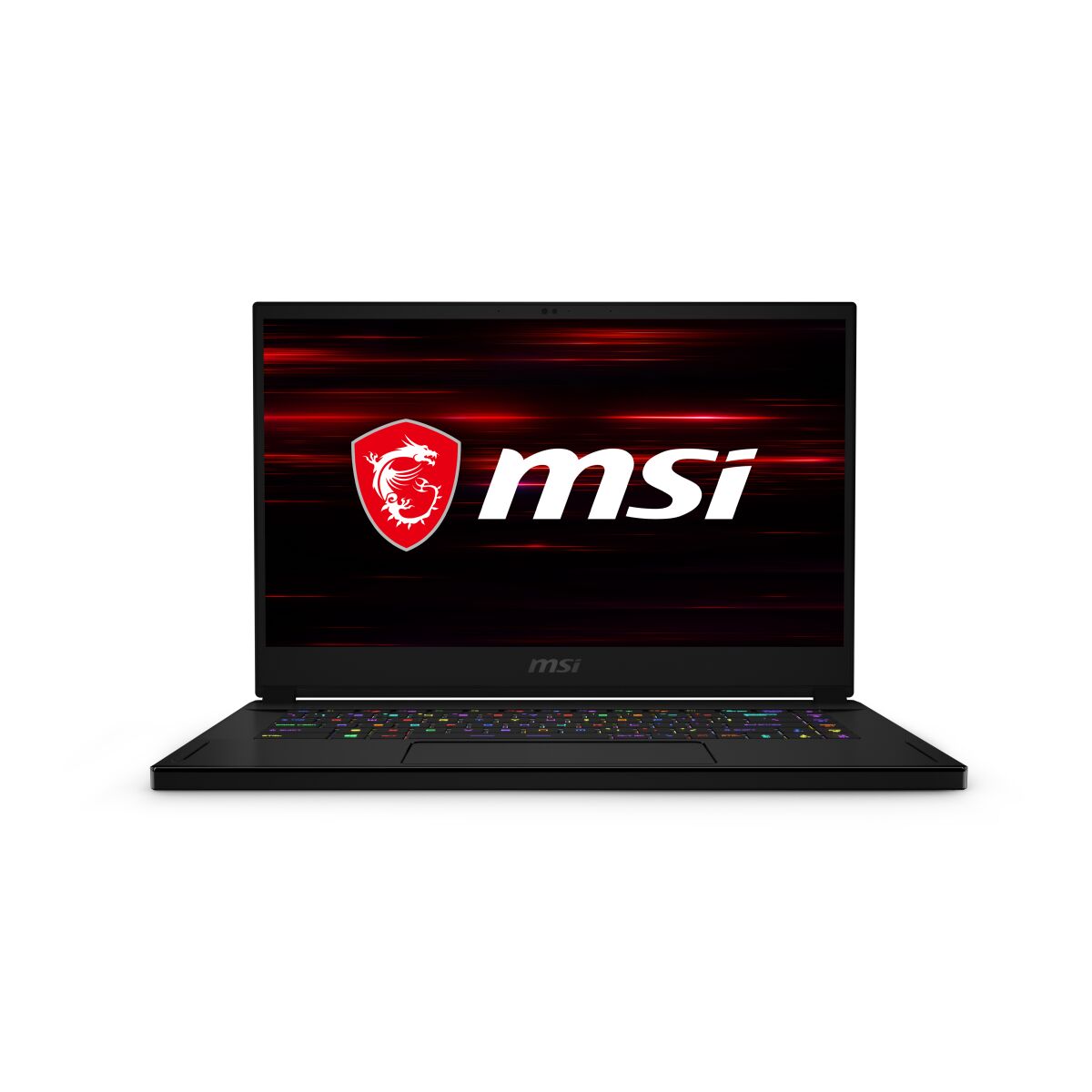
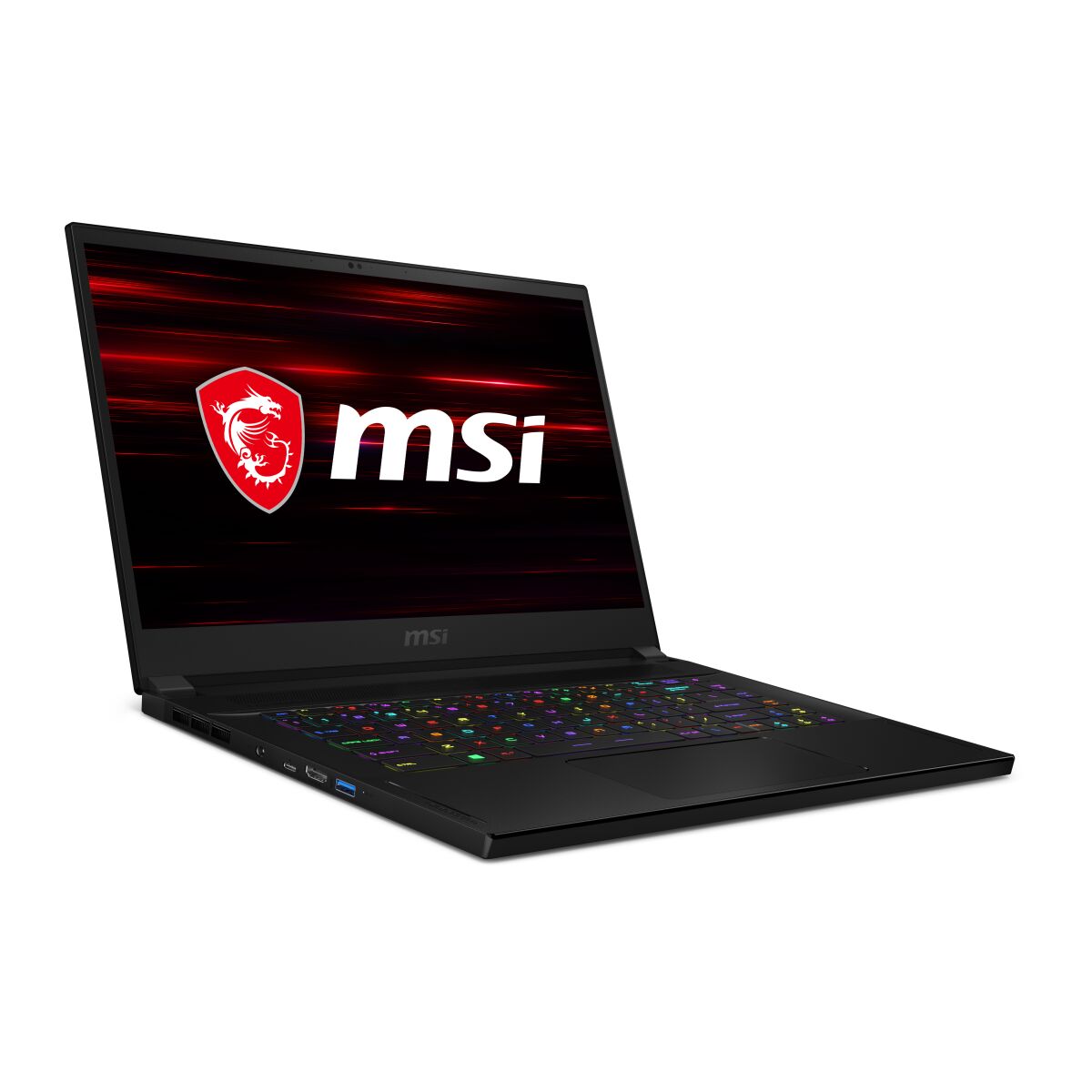

MSI GS66 Stealth gaming series supports DDR4-SDRAM memory upgrades with 2x SO-DIMM slots. Maximum RAM capacity reaches 64 GB total. Compatible upgrades operate at 3200 MHz frequency. Specifications indicate SO-DIMM form factor modules. MSI GS66 10SFS-410AU Stealth RAM upgrade slots accommodate memory modules for expanded computing capacity. Existing memory can be replaced or additional capacity installed within maximum specifications. DDR4 compatibility ensures proper functioning with GS66 Stealth platform specifications.
Memory Upgrade Specifications
| Specification | Value |
|---|---|
| Memory slots | 2x SO-DIMM |
| Form factor | SO-DIMM |
| Memory type | DDR4-SDRAM |
| Frequency | 3200 MHz |
| Maximum RAM | 64 GB |
| Voltage | 1.2V |
| Number of pins | 260-pin |
| Interface | PC4 |
| PC Speed Rating | PC4-3200 (PC4-25600) |
| Bandwidth | 25.6 GB/s |
| Laptop Release date | 25 November 2020 |
Additional Notes
- The MSI GS66 10SFS-410AU Stealth requires laptop-specific SO-DIMM modules rather than desktop DIMMs, which are physically incompatible with the system's memory slots.
- The 3200 MHz specification represents a baseline that can accept slower modules, though downclocking to lower frequencies would sacrifice available memory bandwidth.
- Dual-channel configuration requires matched pairs across both occupied slots to achieve maximum theoretical bandwidth of 51.2 GB/s.
- Single-slot population results in halved memory bandwidth due to single-channel operation, creating potential performance bottlenecks in memory-intensive applications.
- The 64 GB ceiling necessitates 32 GB modules per slot, which limits headroom for users currently at maximum capacity.
- Mixed module capacities across slots maintain dual-channel operation but only for the matched portion, with excess capacity reverting to slower single-channel access.
- Voltage compatibility with DDR4 standard requires 1.2V modules, as higher-voltage DDR3 or specialty overclocking modules risk hardware incompatibility.
- Access to memory slots typically requires bottom panel removal, which may affect warranty status depending on regional consumer protection laws.
- Heat dissipation in this gaming chassis means modules without low-profile heat spreaders are preferred to maintain clearance within the confined laptop interior.
- Non-ECC unbuffered modules are required for consumer platforms, as registered or error-correcting memory types are incompatible with the chipset architecture.
- Mixing manufacturers across slots is technically functional but introduces potential timing mismatches that may require manual BIOS adjustment or result in stability degradation.
- The SO-DIMM 260-pin connector standard excludes older 204-pin DDR3 modules, which are mechanically prevented from insertion.