MSI Gaming GS66 10SFS-440 Stealth RAM upgrade specifications
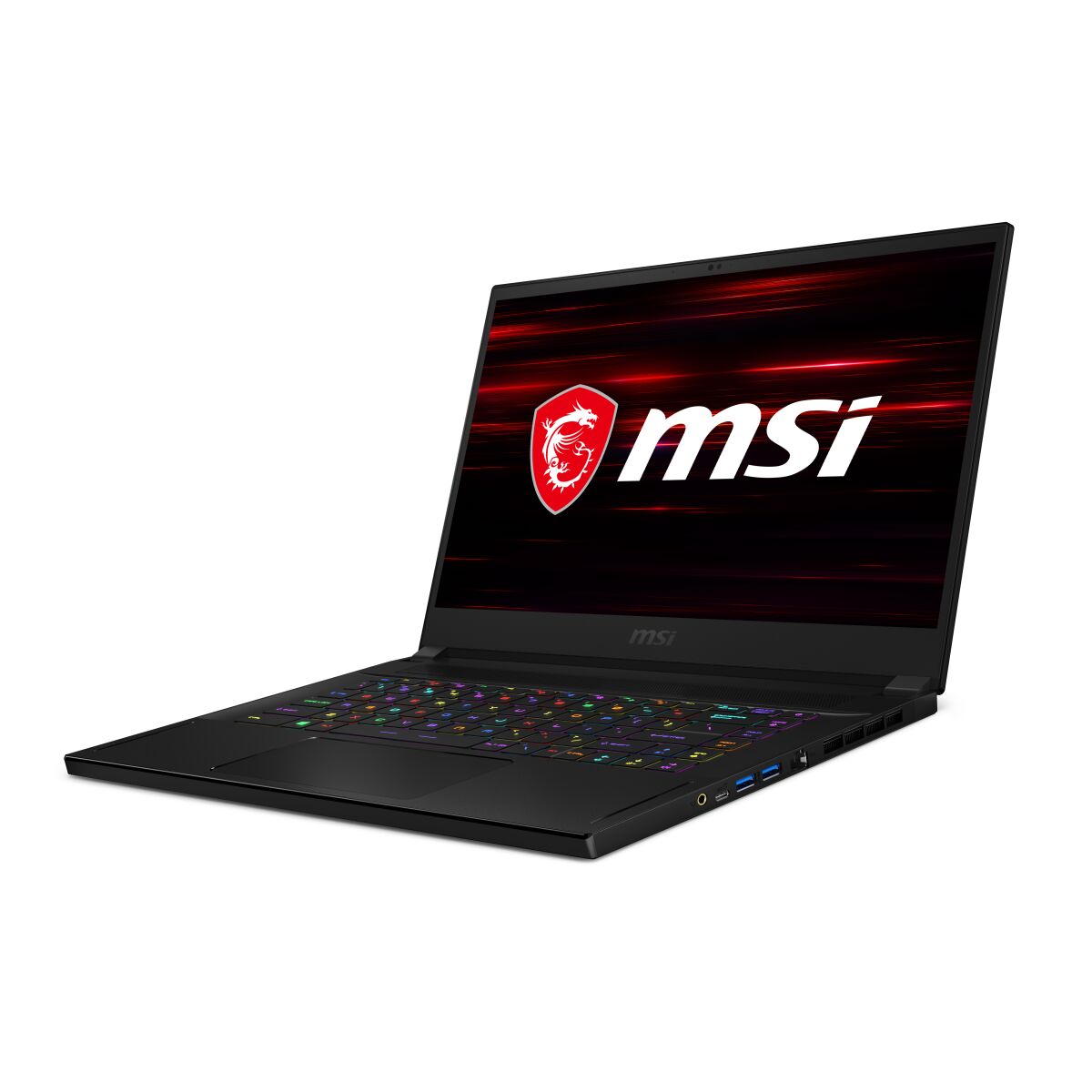
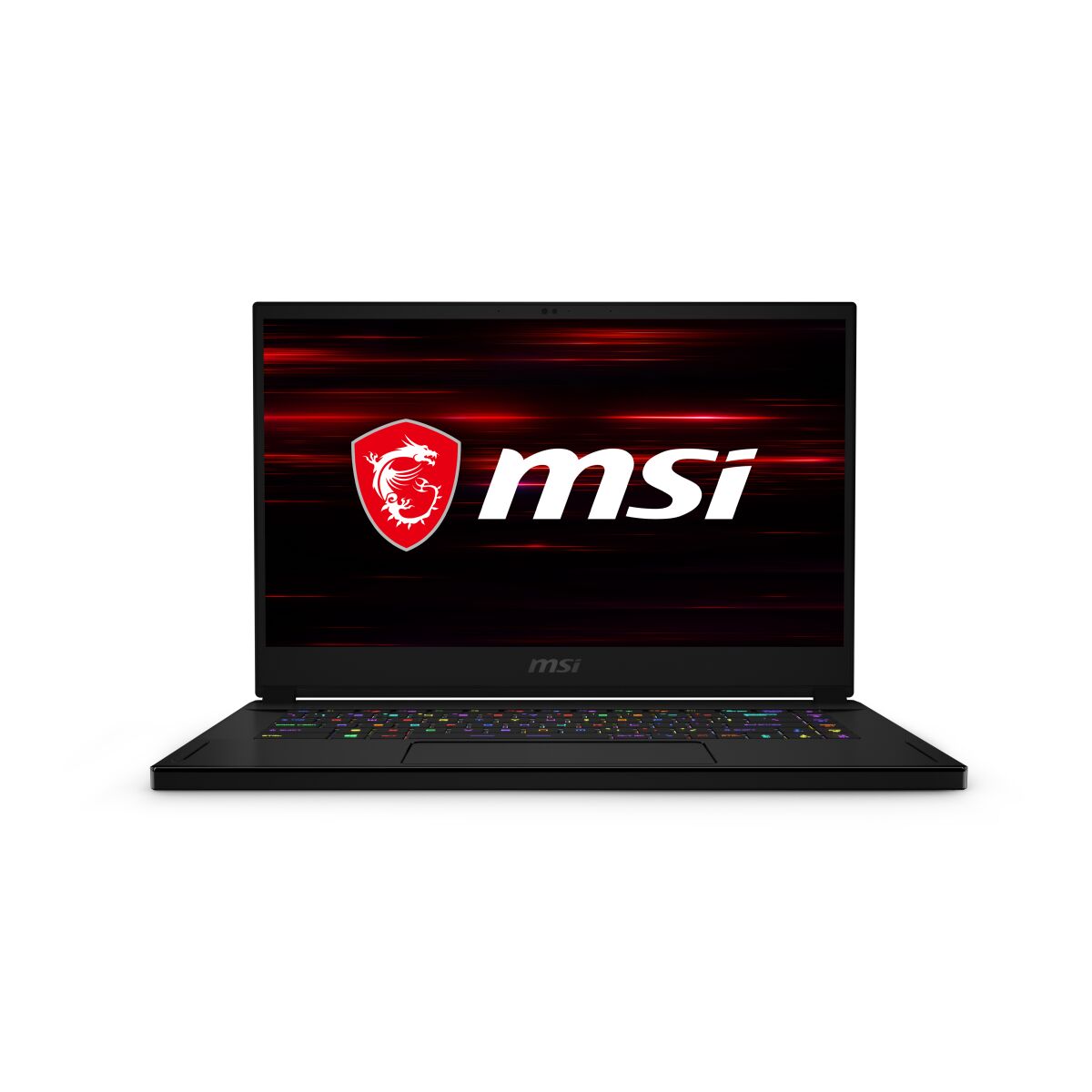
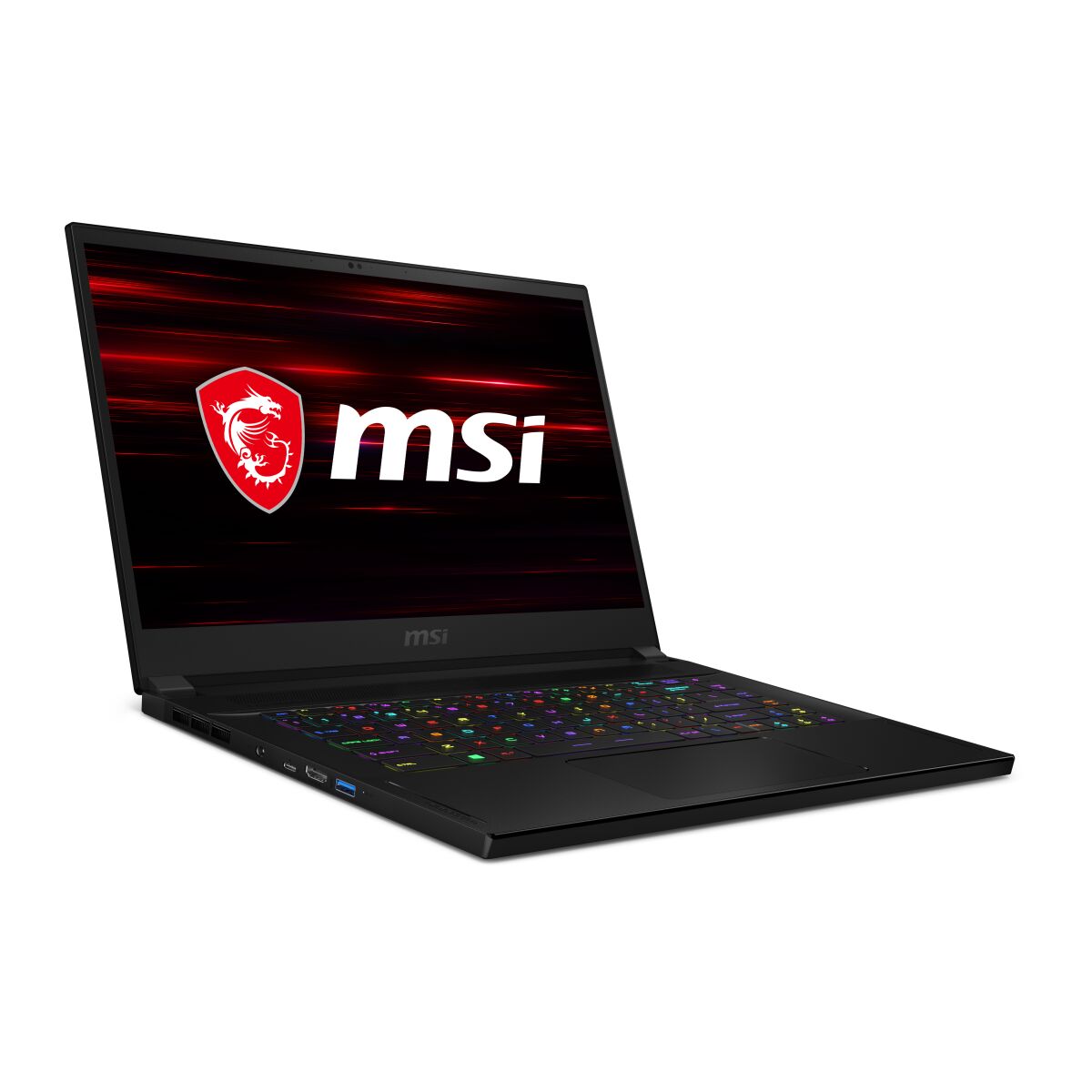

The MSI GS66 10SFS-440 Stealth gaming laptop features DDR4-SDRAM memory upgrade specifications with two SO-DIMM slots supporting a maximum capacity of 64 GB total RAM. The memory operates at 3200 MHz frequency and utilizes SO-DIMM form factor modules. Compatible DDR4 upgrades enable users to expand the laptop's memory capacity by replacing or adding modules to the available slots. The GS66 series specifications accommodate high-performance memory configurations suitable for gaming and multitasking applications.
Memory Upgrade Specifications
| Specification | Value |
|---|---|
| Memory slots | 2x SO-DIMM |
| Form factor | SO-DIMM |
| Memory type | DDR4-SDRAM |
| Frequency | 3200 MHz |
| Maximum RAM | 64 GB |
| Voltage | 1.2V |
| Number of pins | 260-pin |
| Interface | PC4 |
| PC Speed Rating | PC4-3200 (PC4-25600) |
| Bandwidth | 25.6 GB/s |
| Laptop Release date | 19 April 2021 |
Additional Notes
- The DDR4-3200 specification requires SO-DIMM modules operating at 1.2V, as higher voltage variants designed for desktop systems will not fit the thermal or electrical parameters of this chassis.
- Dual-channel architecture necessitates matched memory modules to avoid asymmetric bandwidth allocation, which can reduce effective throughput by up to 50% in memory-intensive workloads.
- The 64 GB ceiling translates to a maximum single-module density of 32 GB per slot, eliminating compatibility with any 48 GB or theoretical higher-density configurations.
- Non-ECC unbuffered SO-DIMMs are required, as registered or error-correcting variants will trigger POST failures due to chipset limitations in mobile platforms.
- Accessing the SO-DIMM slots on this MSI Gaming GS66 10SFS-440 Stealth typically requires complete bottom panel removal, which may involve breaking factory seals that could affect warranty status in certain regions.
- 3200 MHz represents the JEDEC standard speed, but actual operation depends on CPU memory controller support; 10th-generation Intel mobile processors in this configuration will default to 2933 MHz unless XMP profiles are manually enabled in BIOS.
- Mixing modules with different CAS latencies will force all installed memory to operate at the slowest timing present, creating performance degradation invisible to operating system reporting tools.
- The SO-DIMM form factor constraint eliminates compatibility with standard DIMM modules, which are physically larger and use different pin configurations despite sharing the DDR4 protocol.
- Thermal throttling may occur with higher-density modules during sustained memory access patterns, as 32 GB SO-DIMMs generate more heat than 16 GB counterparts at identical frequencies.
- Single-rank versus dual-rank module architecture affects interleaving efficiency; two dual-rank 16 GB modules will generally outperform two single-rank modules in bandwidth-sensitive applications despite identical total capacity.