MSI Gaming GS66 10SFS-443CA Stealth RAM upgrade specifications
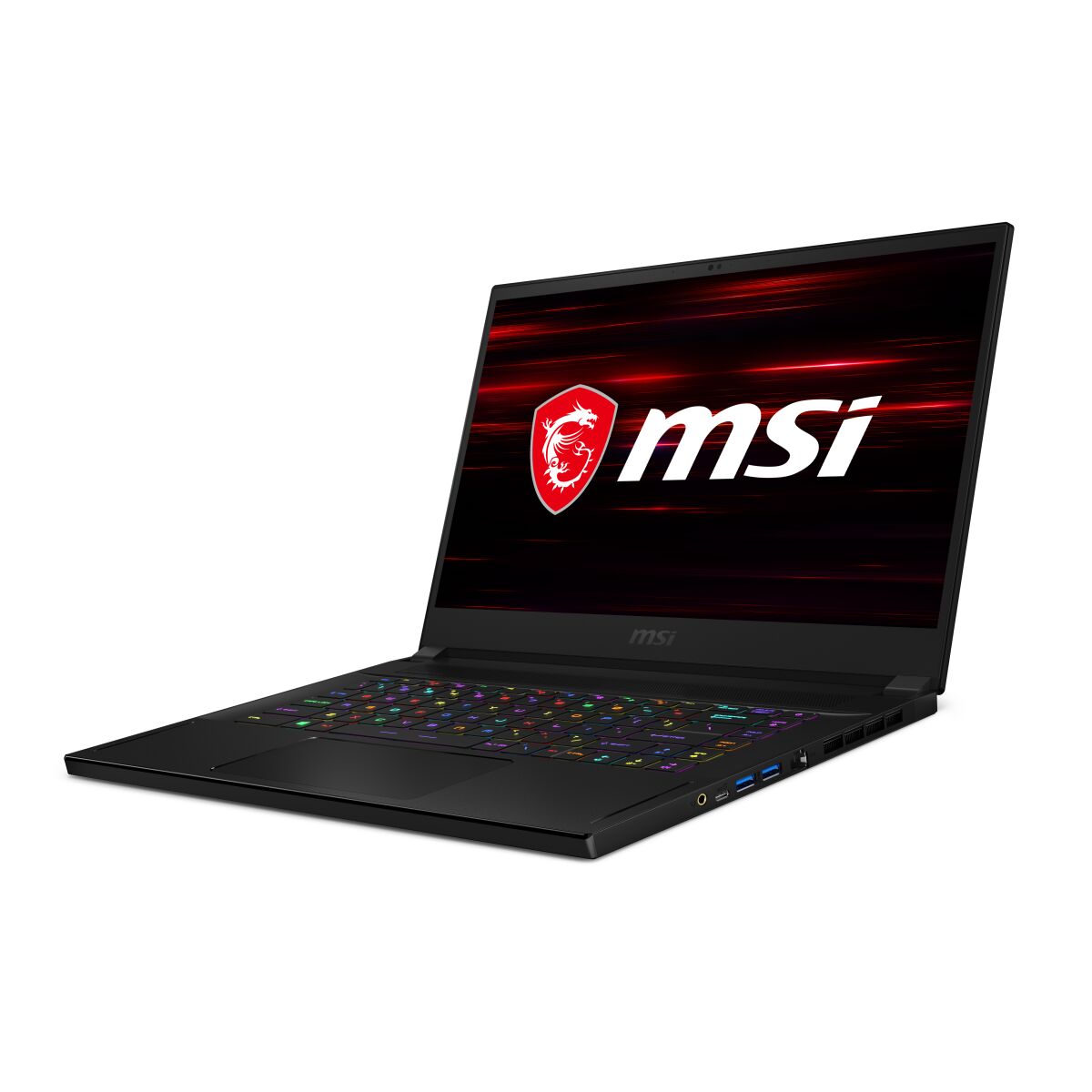
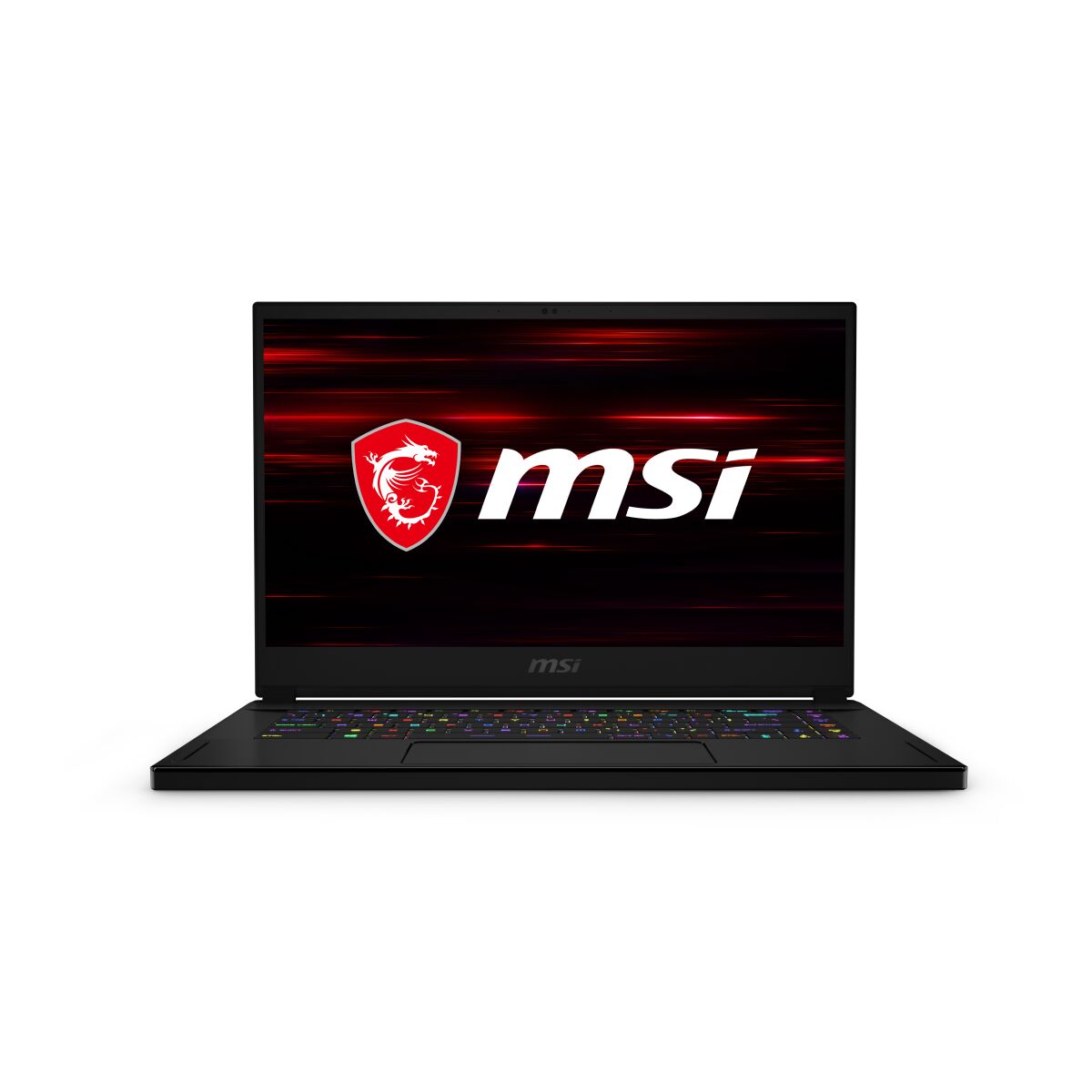
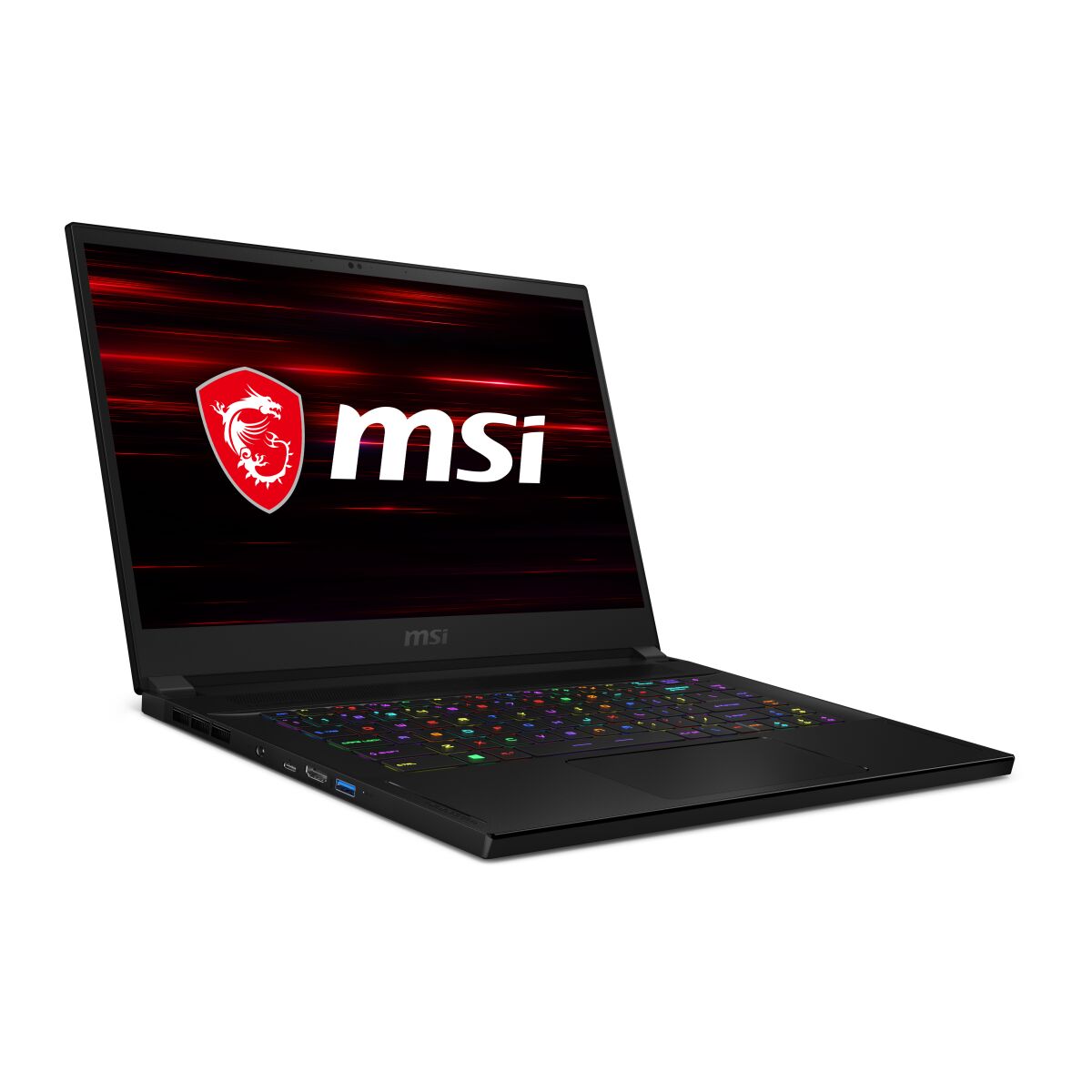

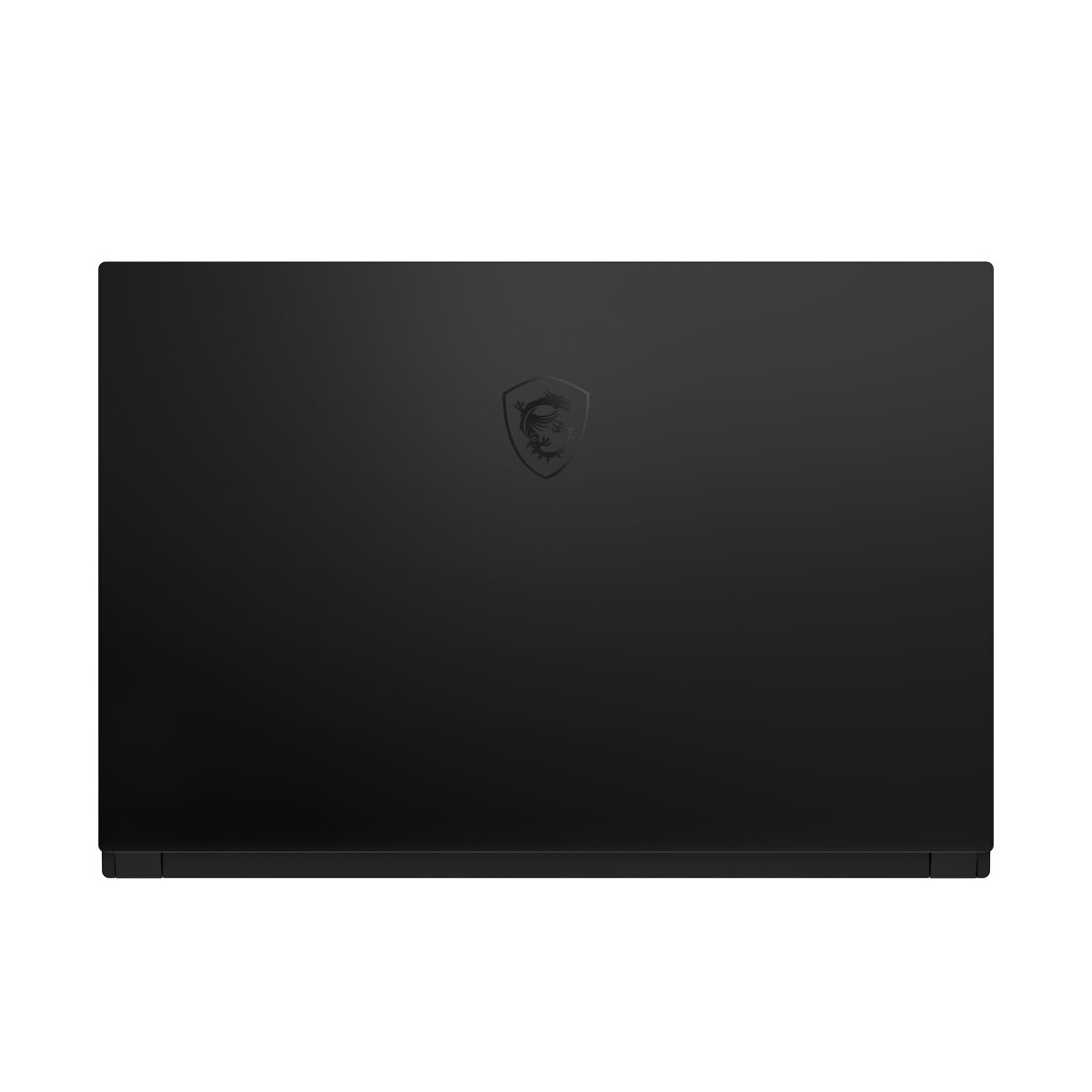
MSI GS66 10SFS-443CA Stealth gaming laptop supports DDR4-SDRAM memory upgrades with maximum capacity of 64 GB. The system features two SO-DIMM memory slots for expansion. Compatible RAM modules operate at 3200 MHz frequency. Upgrade specifications indicate the MSI GS Series Stealth model accommodates DDR4 SO-DIMM format modules, enabling users to expand memory capacity from factory configuration to the maximum 64 GB supported by the laptop specifications.
Memory Upgrade Specifications
| Specification | Value |
|---|---|
| Memory slots | 2x SO-DIMM |
| Form factor | SO-DIMM |
| Memory type | DDR4-SDRAM |
| Frequency | 3200 MHz |
| Maximum RAM | 64 GB |
| Voltage | 1.2V |
| Number of pins | 260-pin |
| Interface | PC4 |
| PC Speed Rating | PC4-3200 (PC4-25600) |
| Bandwidth | 25.6 GB/s |
| Laptop Release date | 26 September 2020 |
Additional Notes
- The 2 SO-DIMM configuration limits upgrade flexibility compared to 4-slot systems, requiring complete module replacement rather than incremental additions when expanding capacity.
- The 64 GB ceiling requires 2x32 GB modules for maximum capacity, which cost significantly more per gigabyte than 16 GB modules and may reduce availability of compatible kits.
- DDR4-3200 operation on this MSI GS66 10SFS-443CA Stealth depends on the 10th generation Intel CPU memory controller maintaining JEDEC compatibility, as proprietary timing configurations could prevent third-party modules from running at rated speeds.
- SO-DIMM installations in thin gaming chassis typically face thermal constraints, where sustained memory-intensive workloads may trigger throttling if ambient cooling proves insufficient for high-density modules.
- Mixing modules with different IC manufacturers or rank configurations can force the memory controller to default to slower JEDEC fallback speeds instead of the rated 3200 MHz, reducing effective bandwidth.
- Warranty preservation requires non-destructive access to memory slots, which depends on bottom panel removal without breaking manufacturer seals on other chassis components.
- Single-rank versus dual-rank module selection at identical capacities affects memory interleaving efficiency, where dual-rank configurations can provide 5-10% bandwidth improvements in specific workloads despite identical frequency ratings.
- The Intel platform typically requires matching module specifications for stable dual-channel operation, as asymmetric configurations may cause POST failures or force single-channel mode.
- High-density 32 GB SO-DIMMs use 16 Gbit IC technology, which may exhibit higher latencies than 8 Gbit-based modules even at identical CAS latency ratings due to internal bank structure differences.
- Upgrading from factory-installed capacity requires verifying existing module specifications through SPD data to prevent compatibility conflicts caused by voltage or timing mismatches with new modules.