MSI Gaming GS75 10SFS-611 Stealth RAM upgrade specifications
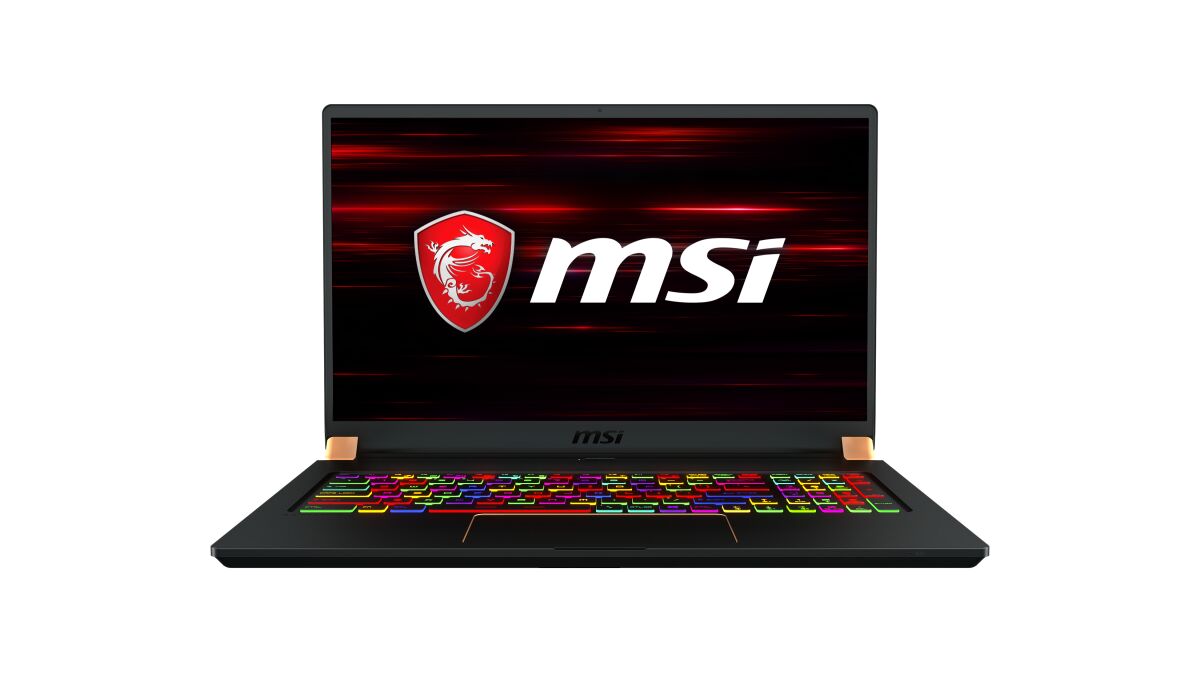
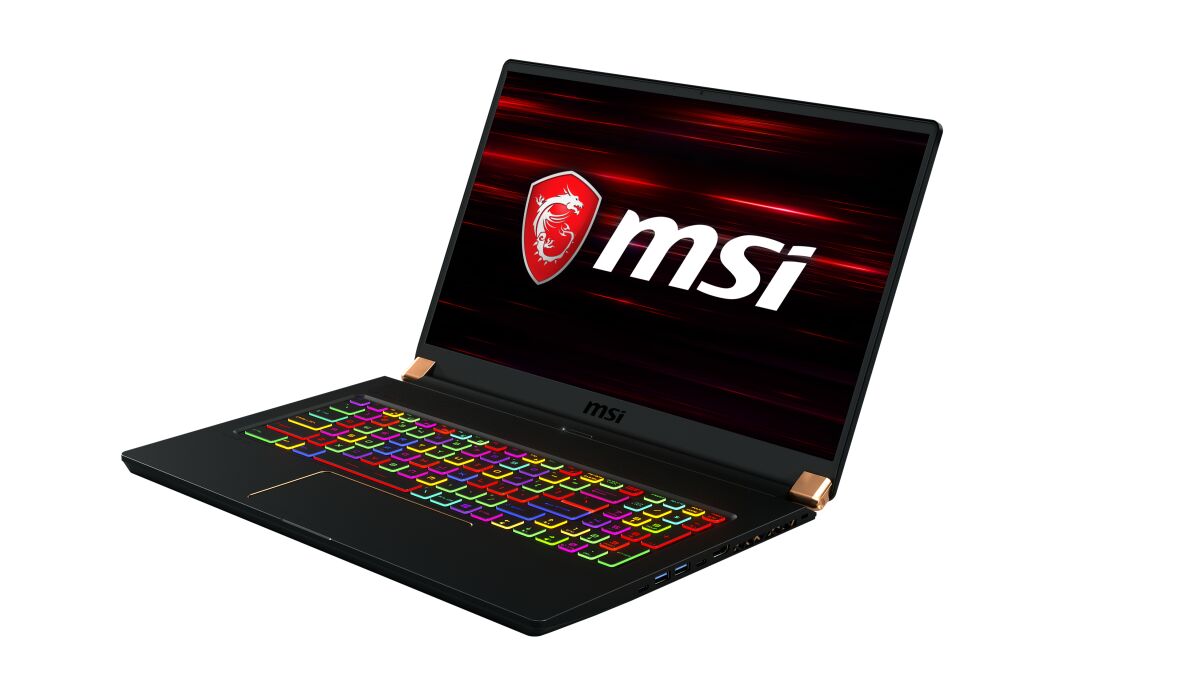
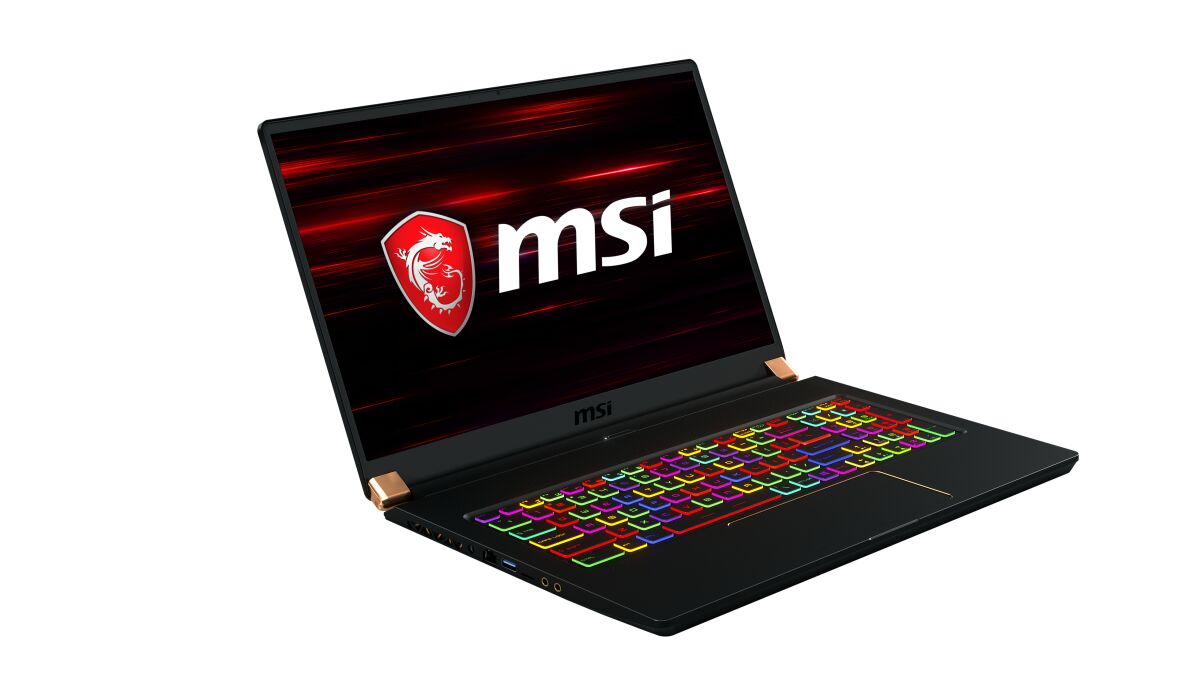
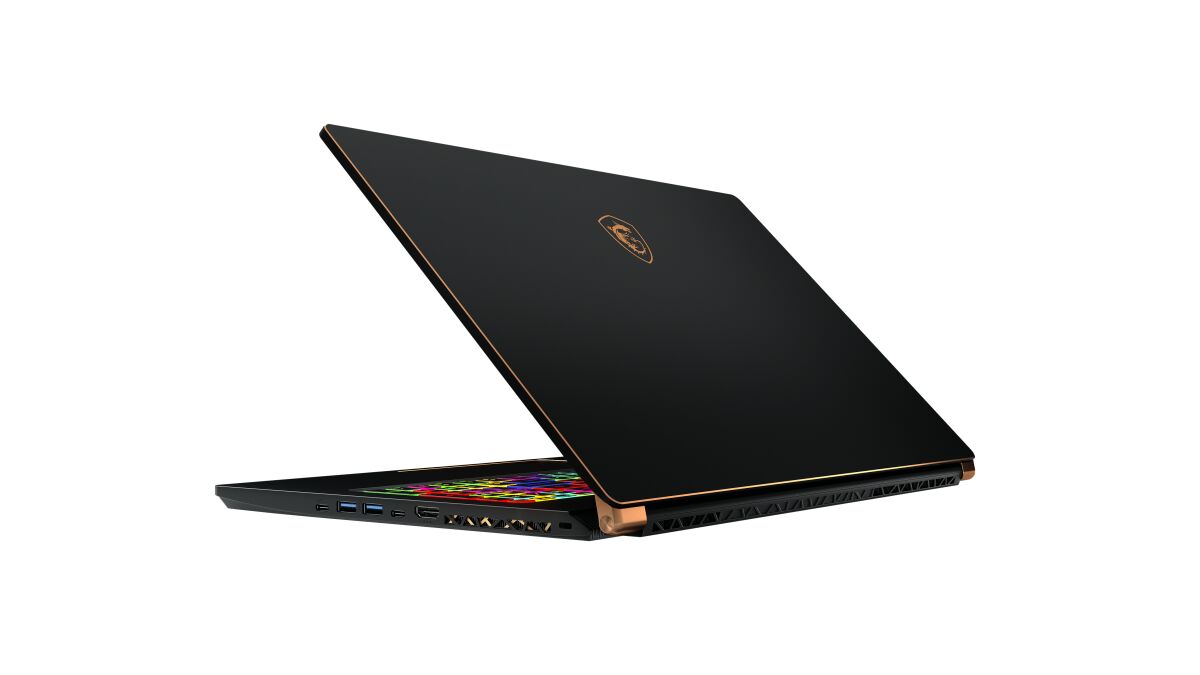
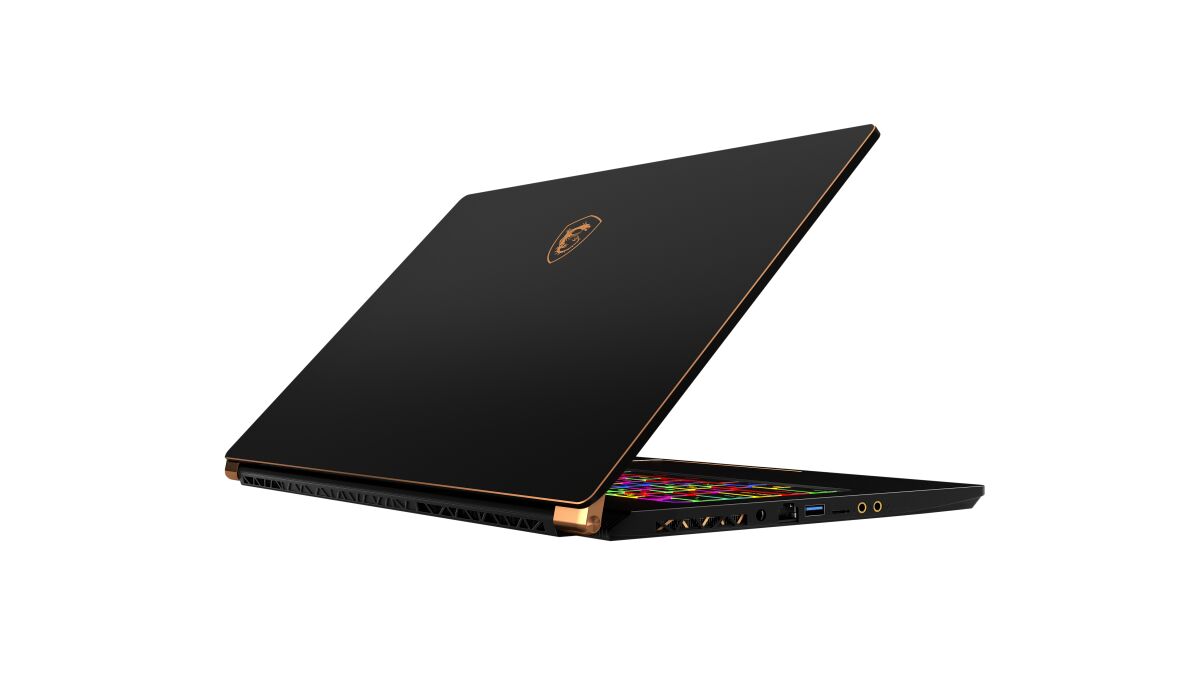
MSI GS75 10SFS-611 Stealth gaming laptop supports DDR4-SDRAM memory upgrades through two SO-DIMM slots. Maximum compatible capacity reaches 64 GB total memory. Standard specifications include 3200 MHz frequency support. Memory upgrade slots accommodate SO-DIMM form factor modules. Existing memory configurations may be expanded or replaced to achieve maximum RAM capacity of 64 GB for enhanced system performance and multitasking capabilities.
Memory Upgrade Specifications
| Specification | Value |
|---|---|
| Memory slots | 2x SO-DIMM |
| Form factor | SO-DIMM |
| Memory type | DDR4-SDRAM |
| Frequency | 3200 MHz |
| Maximum RAM | 64 GB |
| Voltage | 1.2V |
| Number of pins | 260-pin |
| Interface | PC4 |
| PC Speed Rating | PC4-3200 (PC4-25600) |
| Bandwidth | 25.6 GB/s |
| Laptop Release date | 23 September 2020 |
Additional Notes
- The MSI GS75 10SFS-611 Stealth uses laptop-grade SO-DIMM modules rather than desktop DIMM slots, requiring memory modules approximately 67 millimeters in length instead of full-size equivalents. This form factor constraint eliminates compatibility with standard desktop RAM and restricts sourcing to mobile-specific inventory.
- DDR4-3200 operation at maximum capacity (64 GB across 2 slots) introduces potential latency trade-offs when pairing mismatched memory modules. Single-sided 32 GB SO-DIMMs operate differently than dual-sided variants in thermal and electrical characteristics, risking stability if mixing module architectures without identical specifications.
- The 2-slot architecture creates a ceiling on upgradability. Replacing both existing modules is required to exceed current capacity; no slot remains available for incremental expansion. Retaining original memory for secondary use or resale depends on documentation of factory specifications at purchase.
- DDR4-3200 frequency represents a middle tier for gaming laptops circa 2020. Faster DDR4-3600 modules exist but may not execute at rated speed due to BIOS memory profile limitations on this generation, resulting in automatic fallback to JEDEC-standard lower frequencies and negating purchase premiums.
- SO-DIMM installation requires accessing internal compartments and typically involves removing the bottom panel. Physical access restrictions and tight component spacing near the memory slots may necessitate external cooling disconnection or battery removal, extending service time compared to desktop upgrades.