MSI Gaming GS75 10SGS-027 Stealth RAM upgrade specifications
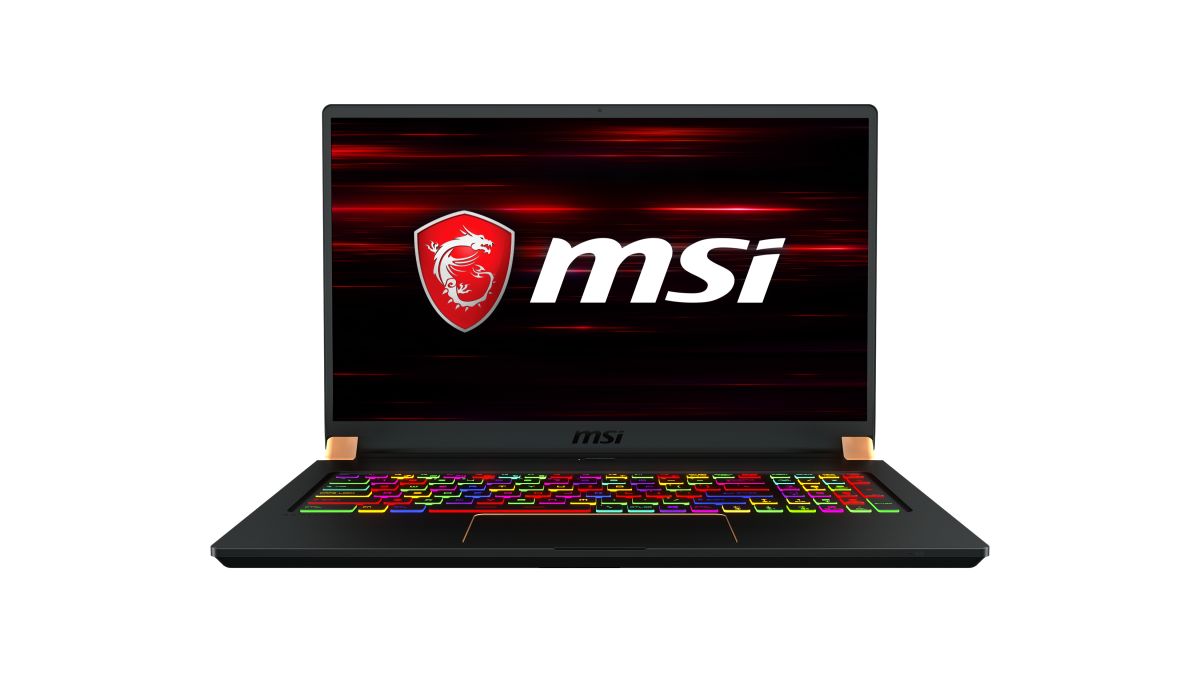
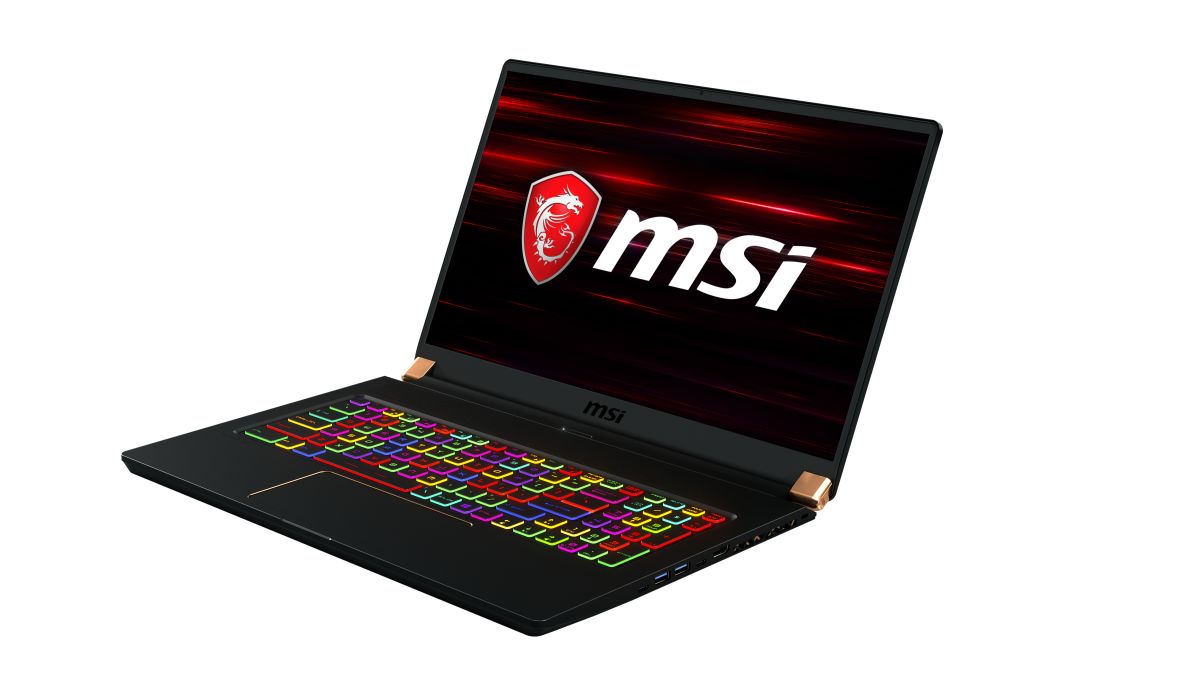
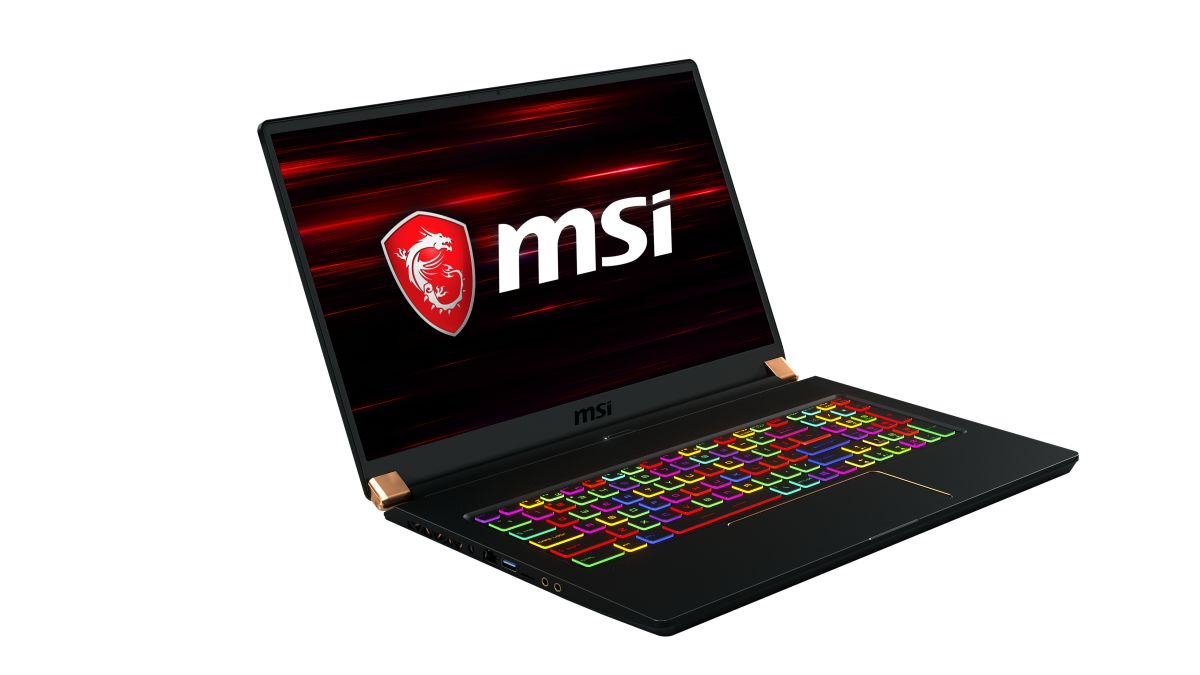


MSI GS75 10SGS-027 Stealth gaming laptop RAM upgrade specifications indicate DDR4-SDRAM memory compatibility with maximum capacity of 64 GB. The device features 2x SO-DIMM slots for memory expansion. Compatible modules operate at 2666 MHz frequency. Upgrade installations require SO-DIMM form factor components. Specifications support DDR4-SDRAM technology for the Gaming GS series platform.
Memory Upgrade Specifications
| Specification | Value |
|---|---|
| Memory slots | 2x SO-DIMM |
| Form factor | SO-DIMM |
| Memory type | DDR4-SDRAM |
| Frequency | 2666 MHz |
| Maximum RAM | 64 GB |
| Voltage | 1.2V |
| Number of pins | 260-pin |
| Interface | PC4 |
| PC Speed Rating | PC4-2666 (PC4-21328) |
| Bandwidth | 21.3 GB/s |
| Laptop Release date | 27 April 2020 |
Additional Notes
- The 2666 MHz frequency operates below DDR4's maximum potential, limiting bandwidth to 21.3 GB/s per module compared to 25.6 GB/s achievable with 3200 MHz modules often found in competing gaming systems.
- SO-DIMM slots restrict thermal headroom compared to full-size DIMMs, making passive cooling the only viable option since aftermarket SO-DIMM heatsinks rarely fit within laptop chassis tolerances.
- The 64 GB ceiling requires 2 modules of 32 GB each, eliminating capacity expansion flexibility after initial installation since both slots must be populated simultaneously.
- Dual-channel architecture depends on matched module pairs, meaning mixing speeds or capacities forces both modules to operate at the lower specification and may introduce stability issues during intensive rendering or simulation tasks.
- JEDEC-standard 1.2V SO-DIMM modules maintain compatibility, while lower-voltage variants risk causing POST failures or throttling if the motherboard firmware lacks adaptive voltage control.
- Access to SO-DIMM slots typically requires bottom panel removal on the MSI GS75 10SGS-027 Stealth chassis, potentially voiding warranty seals depending on regional support policies and whether the manufacturer classifies RAM as user-serviceable.
- Single-rank versus dual-rank module topology affects memory interleaving efficiency, with dual-rank configurations providing marginal performance gains in memory-intensive workloads despite identical capacity and frequency ratings.
- Non-ECC architecture means no error correction capability exists, making the system vulnerable to soft errors during extended computational tasks where data integrity verification occurs only at application level.