MSI Gaming GS75 10SGS-064 RAM upgrade specifications
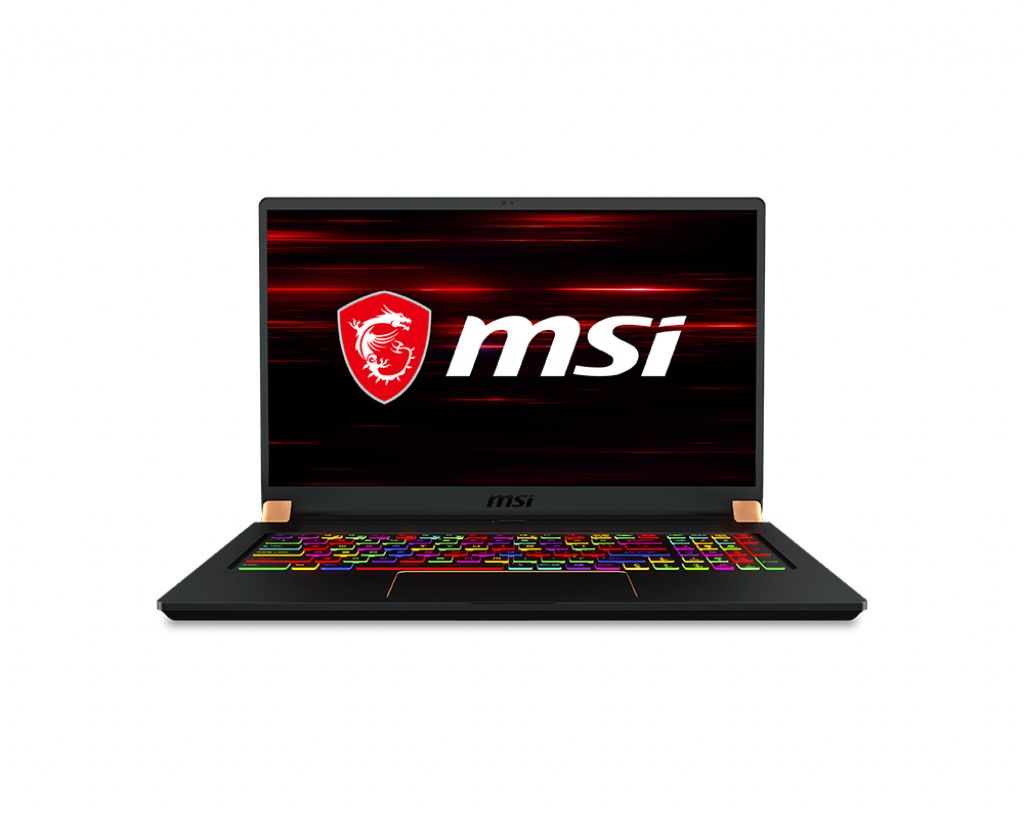
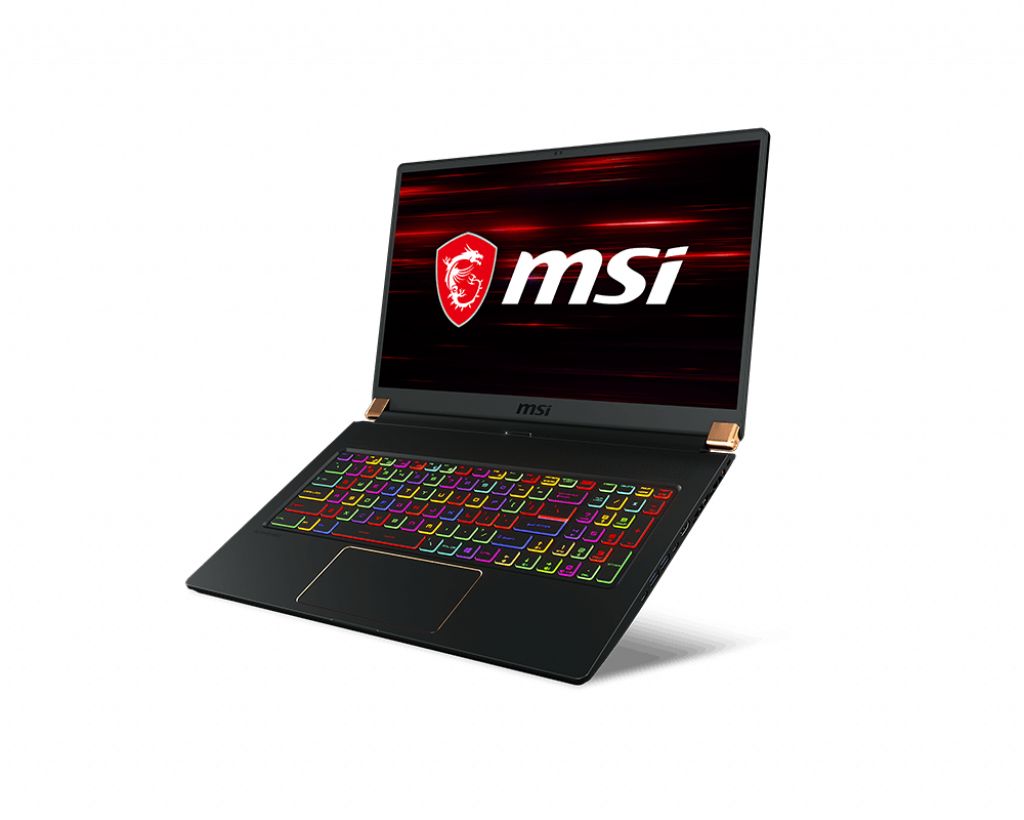
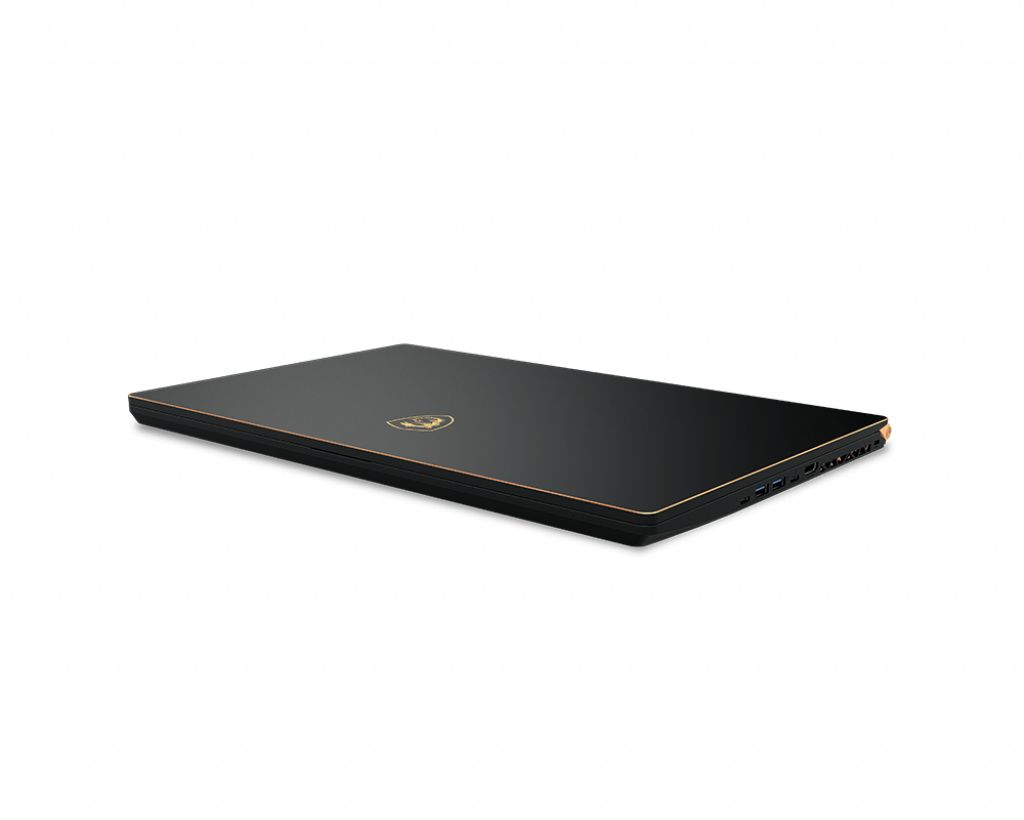
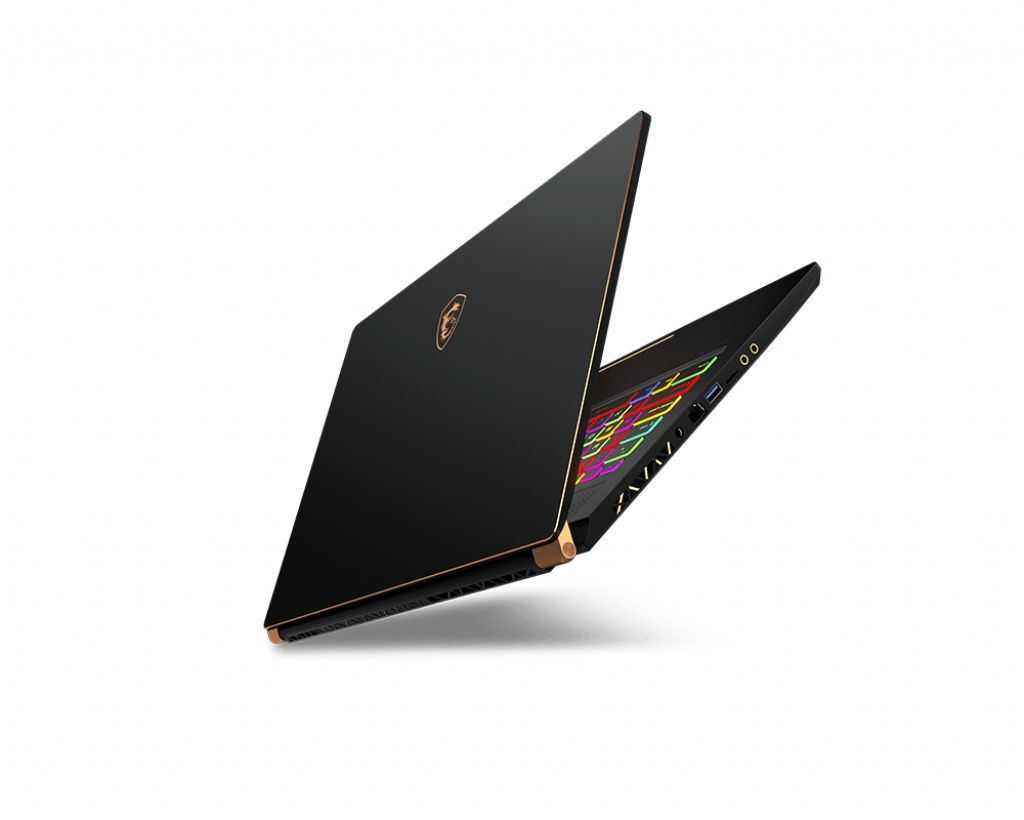
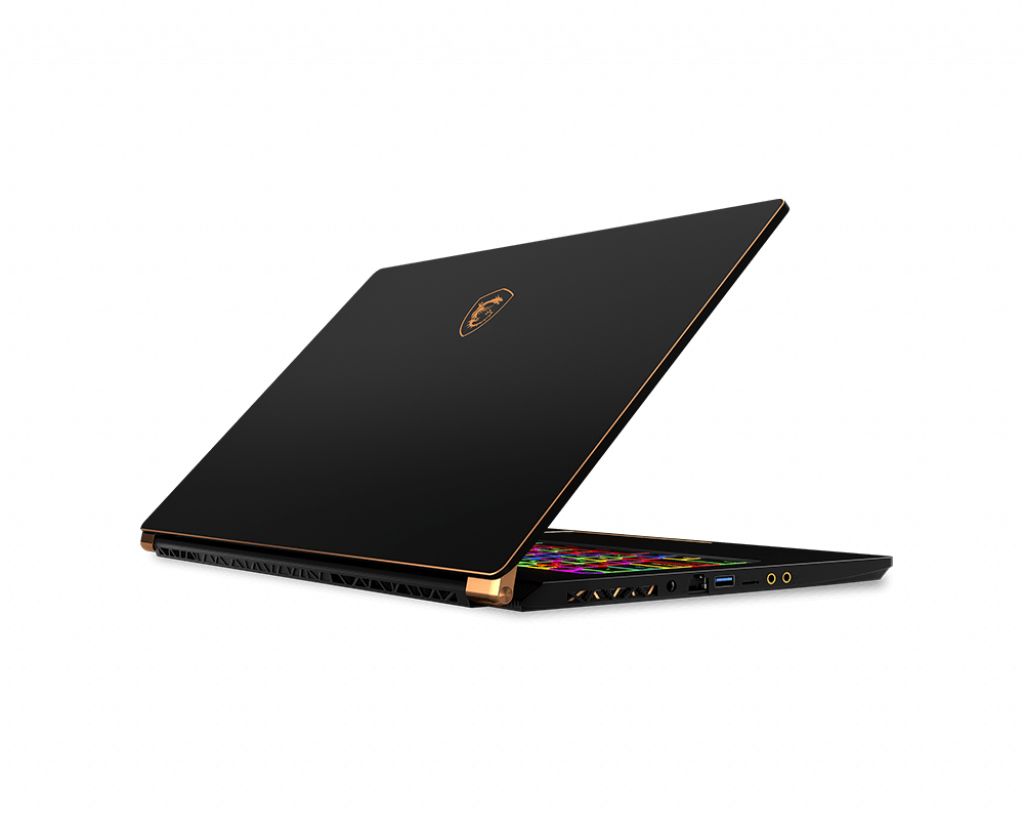
MSI GS75 10SGS-064 Gaming series laptop features DDR4-SDRAM memory upgrade specifications with 2x SO-DIMM slots supporting maximum RAM capacity of 64 GB. Compatible memory modules operate at 2666 MHz frequency with SO-DIMM form factor. Upgrade slots accommodate dual memory modules for enhanced system performance and multitasking capabilities on the MSI GS Gaming series platform.
Memory Upgrade Specifications
| Specification | Value |
|---|---|
| Memory slots | 2x SO-DIMM |
| Form factor | SO-DIMM |
| Memory type | DDR4-SDRAM |
| Frequency | 2666 MHz |
| Maximum RAM | 64 GB |
| Voltage | 1.2V |
| Number of pins | 260-pin |
| Interface | PC4 |
| PC Speed Rating | PC4-2666 (PC4-21328) |
| Bandwidth | 21.3 GB/s |
| Laptop Release date | 01 April 2020 |
Additional Notes
- The 2666 MHz frequency represents JEDEC standard DDR4-2666, which provides 21.3 GB/s theoretical bandwidth per channel in dual-channel configuration.
- SO-DIMM modules exceed 69mm in height when measured from the PCB base, requiring clearance verification beneath the keyboard assembly in this MSI Gaming GS75 10SGS-064 chassis.
- The 64 GB ceiling necessitates 32 GB density modules, which rely on dual-rank architecture that introduces approximately 1-2ns additional latency compared to single-rank equivalents.
- Non-ECC unbuffered modules remain the sole compatible topology, as SO-DIMM form factor implementations lack support for registered or load-reduced configurations.
- Voltage tolerance exists between standard 1.2V DDR4 modules and low-voltage 1.35V variants, though mixing specifications across slots degrades stability under sustained workloads.
- Dual-channel population mandates matched capacity and speed across both slots to prevent asymmetric mode fallback, which halves effective memory bandwidth.
- CAS latency specifications below CL19 at 2666 MHz indicate binned ICs with tighter secondary timings, reducing memory-bound application stalls by 3-7 percent.
- Intel XMP profiles embedded in module SPD chips require manual BIOS activation, as mobile platforms default to JEDEC conservative timings at 2400 MHz.
- Thermal dissipation becomes critical above 16 GB per module density, where heat spreader presence affects sustained write performance during memory-intensive operations.
- Module height variations between 30mm and 34.5mm create potential interference with cooling assemblies positioned above DIMM slots in gaming-oriented thin chassis designs.