MSI Gaming GS75 10SGS-216CN Stealth RAM upgrade specifications
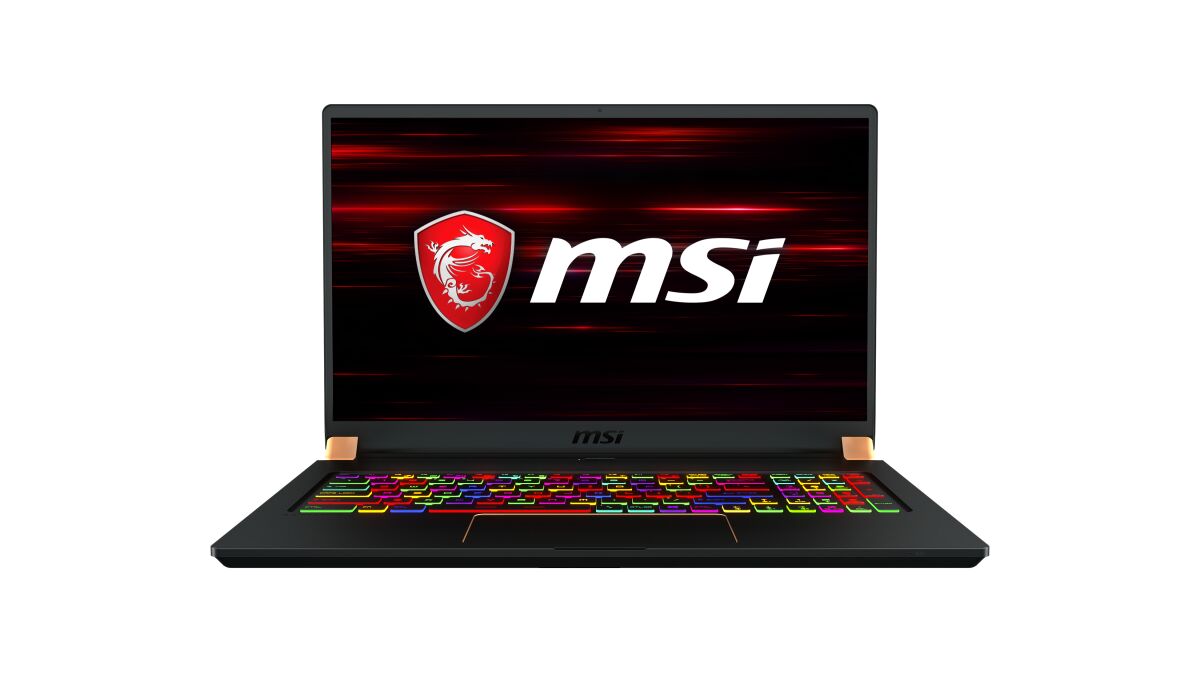
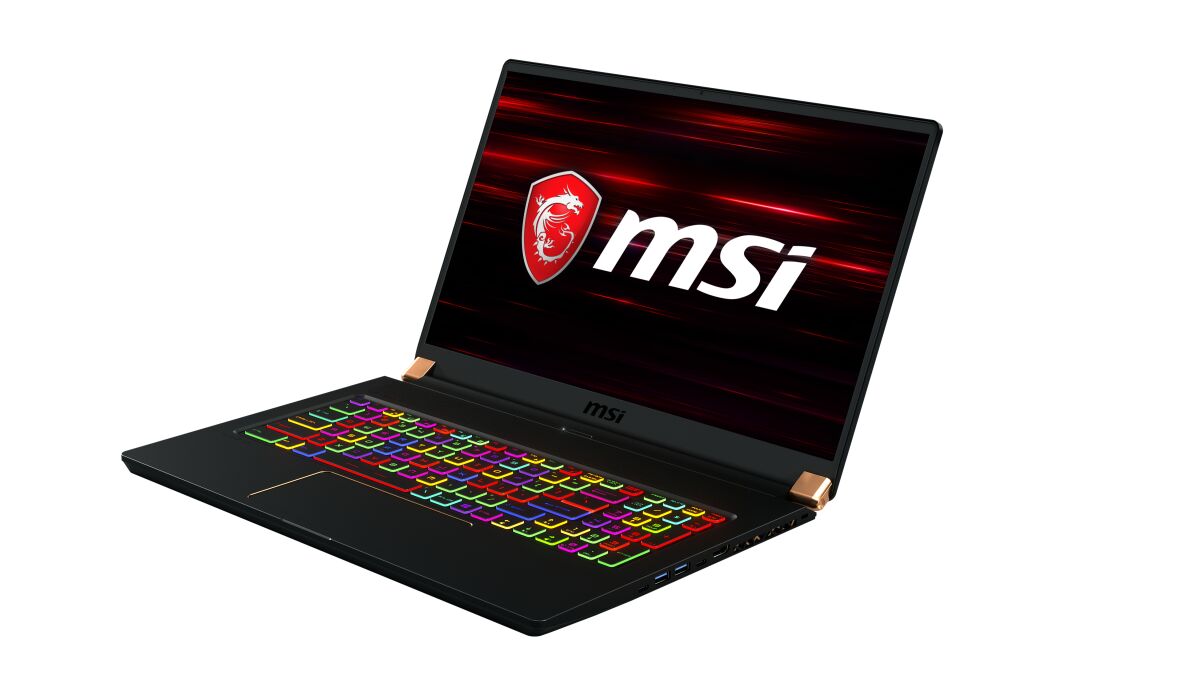
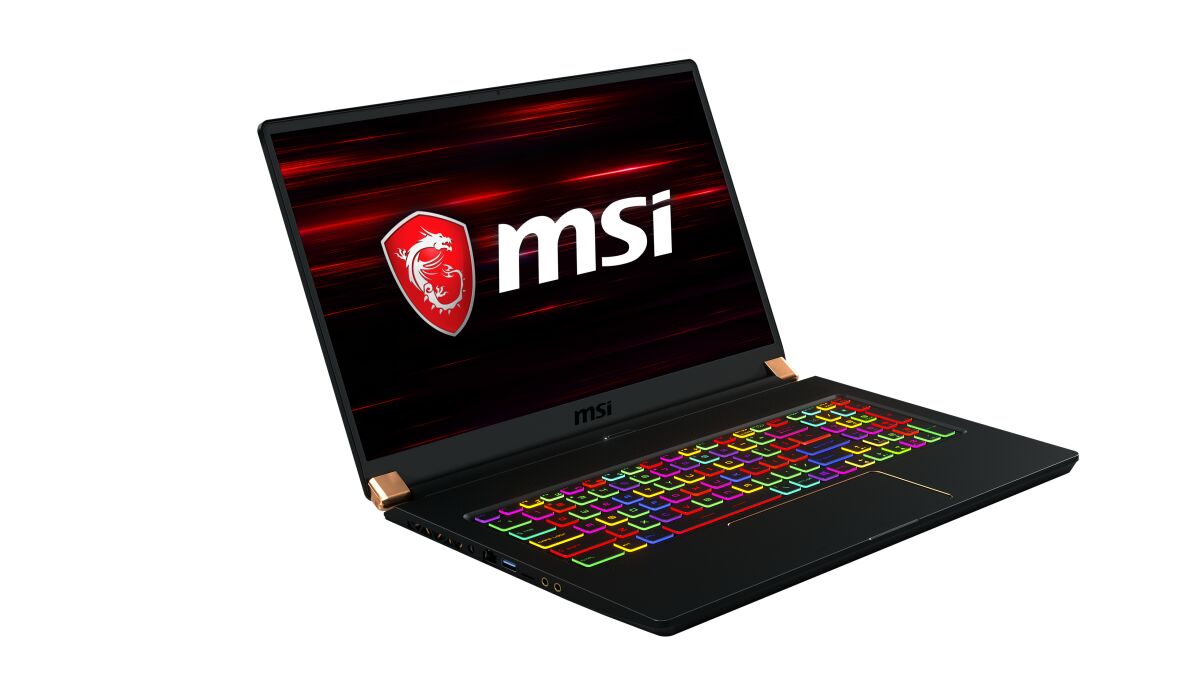
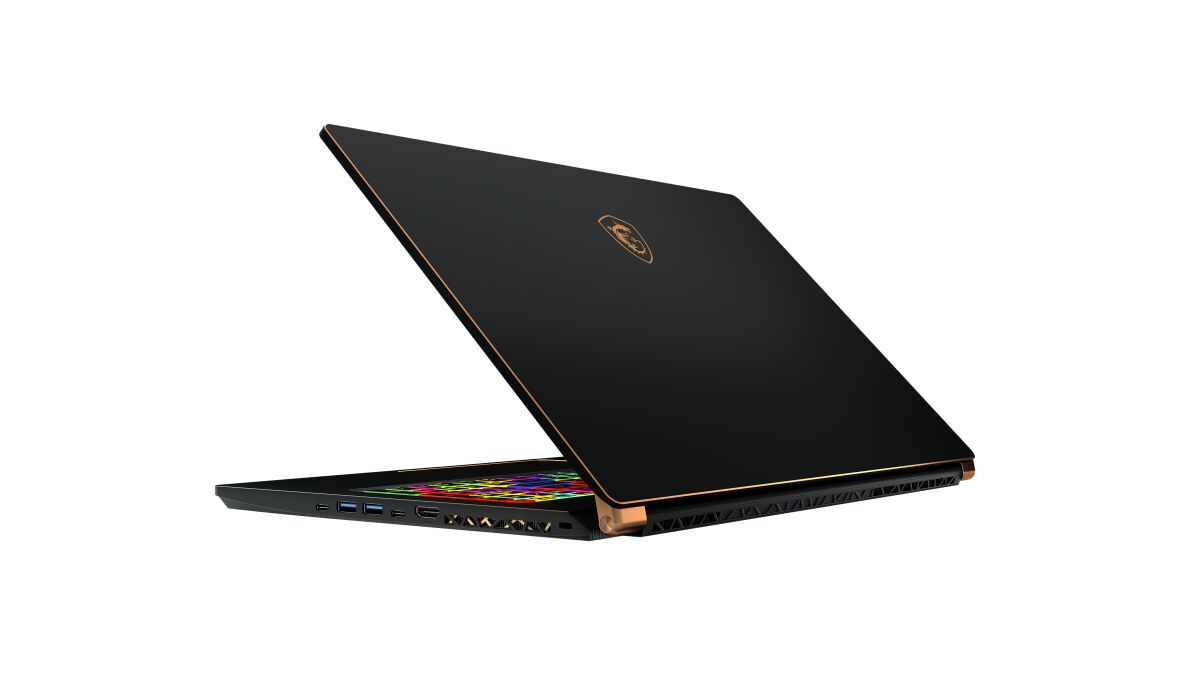
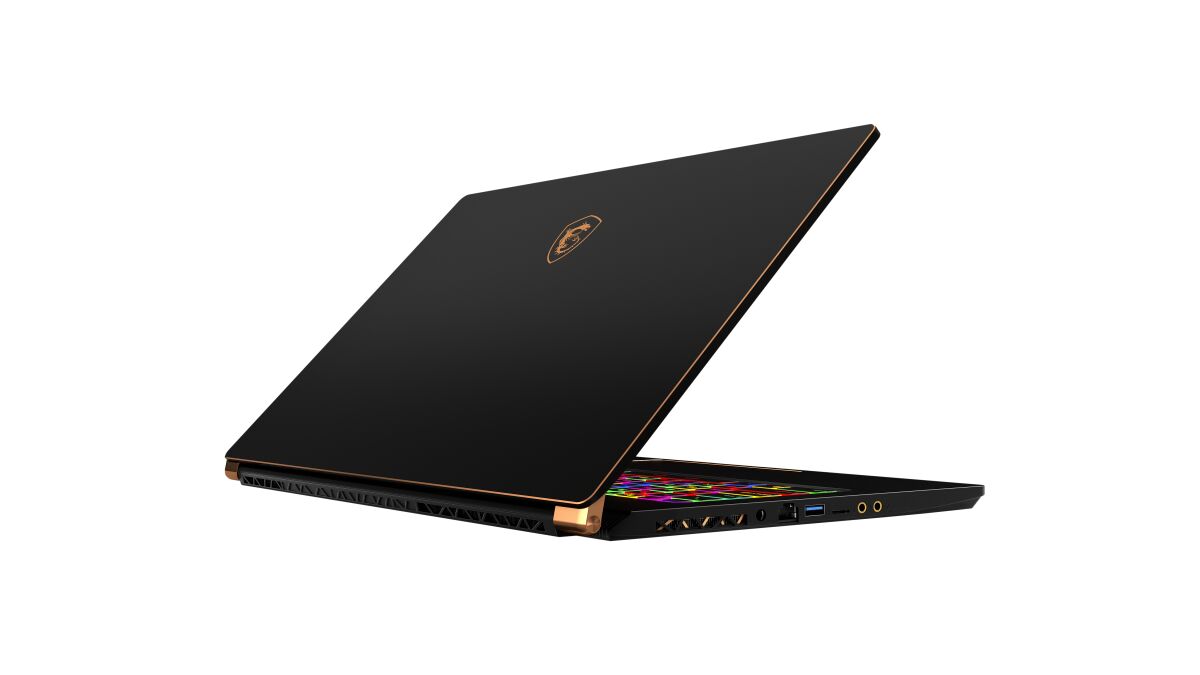
The MSI GS75 10SGS-216CN Stealth gaming laptop features two SO-DIMM slots supporting DDR4-SDRAM memory at 2666 MHz frequency. Maximum RAM capacity reaches 64 GB, enabling significant memory upgrades from factory configurations. Compatible memory modules utilize the SO-DIMM form factor standard for mobile computing. The GS series supports memory expansion to enhance multitasking performance and application responsiveness. Specifications indicate dual-slot architecture permitting modular RAM installation and replacement for system optimization.
Memory Upgrade Specifications
| Specification | Value |
|---|---|
| Memory slots | 2x SO-DIMM |
| Form factor | SO-DIMM |
| Memory type | DDR4-SDRAM |
| Frequency | 2666 MHz |
| Maximum RAM | 64 GB |
| Voltage | 1.2V |
| Number of pins | 260-pin |
| Interface | PC4 |
| PC Speed Rating | PC4-2666 (PC4-21328) |
| Bandwidth | 21.3 GB/s |
| Laptop Release date | 16 June 2020 |
Additional Notes
- The MSI GS75 Stealth contains 2 SO-DIMM slots operating at 2666 MHz, which establishes a hard ceiling of 64 GB total capacity regardless of individual module density increases.
- DDR4-2666 frequency represents the platform's native specification; third-party modules rated for 3000+ MHz will downclock to 2666 MHz, eliminating any performance gain from higher-speed purchases.
- SO-DIMM form factor restricts upgrade modules to laptop-specific variants; desktop DDR4 DIMMs cannot be physically inserted into available slots.
- Both memory slots must be populated to achieve dual-channel operation; single-slot configurations halve memory bandwidth, introducing measurable performance degradation during gaming and content creation workloads.
- The 64 GB maximum capacity accommodates current application demands but permits no expansion beyond this threshold; future software requiring higher memory density necessitates full system replacement.
- Warranty implications apply to SO-DIMM replacement; modules sourced through authorized retailers and installed following manufacturer guidance typically preserve coverage, while incompatible or non-standard modules risk coverage denial.