MSI Gaming GS75 10SFS-644UK Stealth RAM upgrade specifications
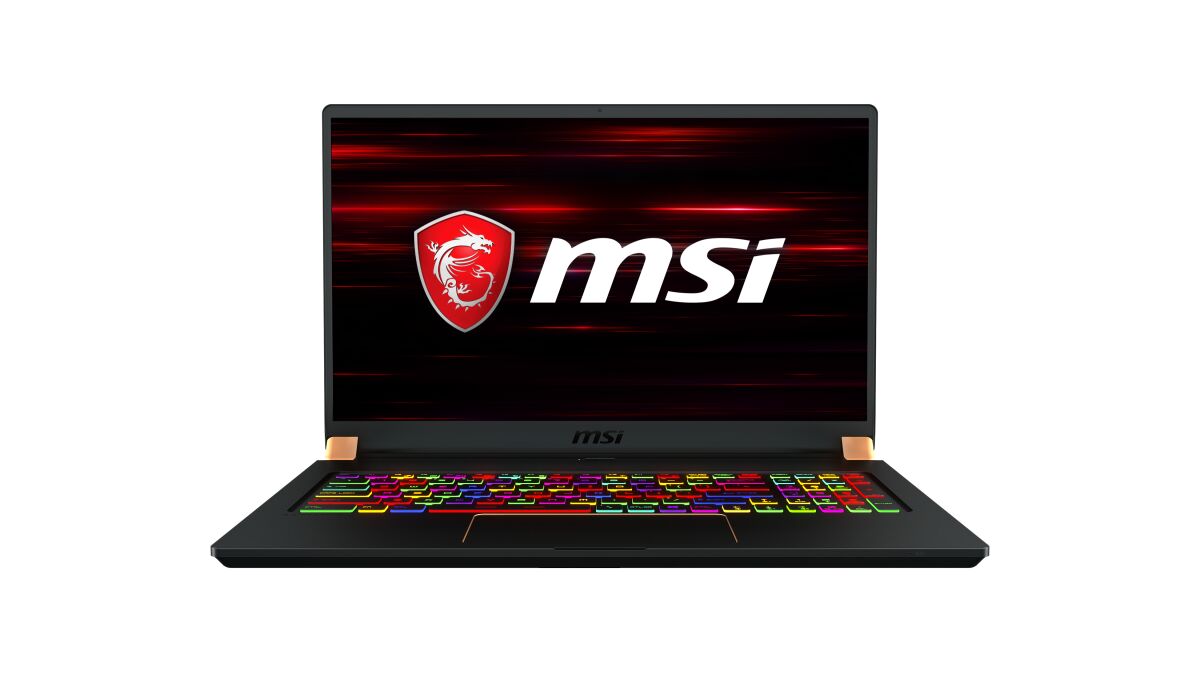
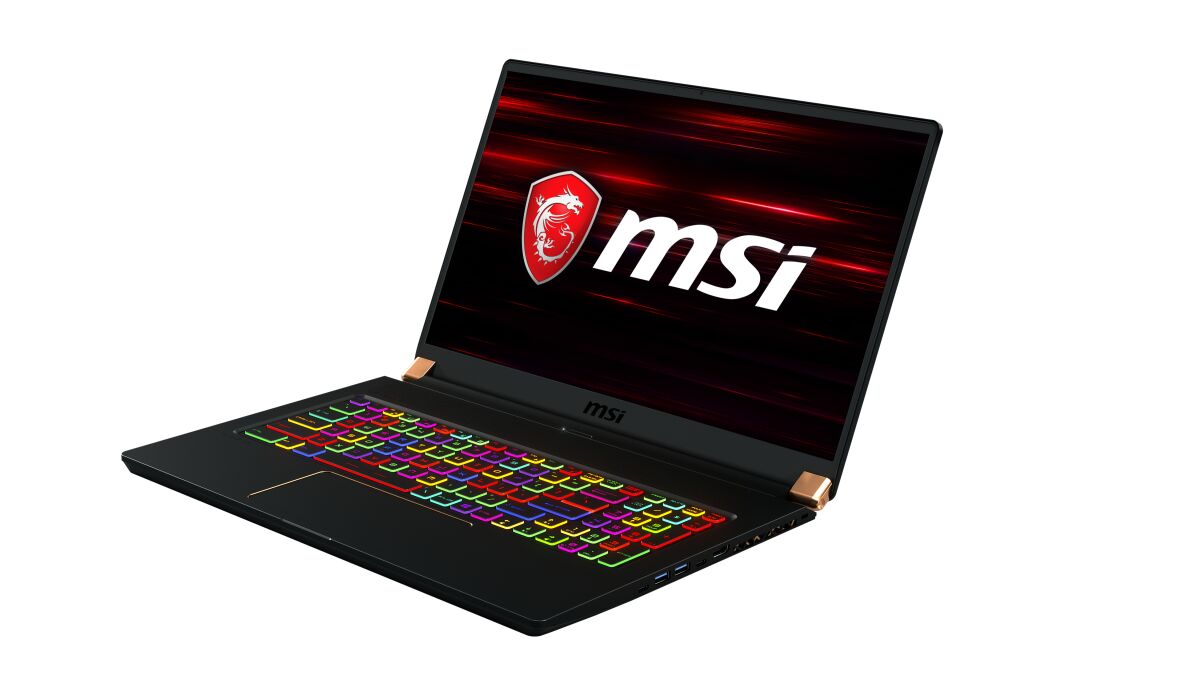
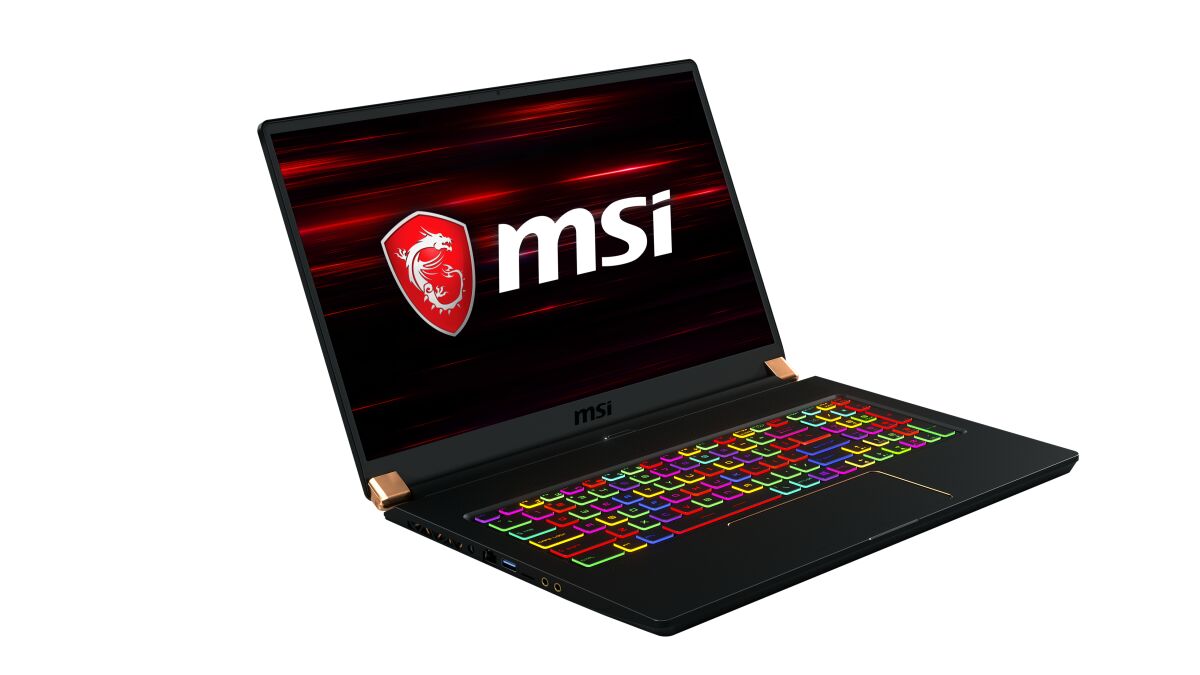
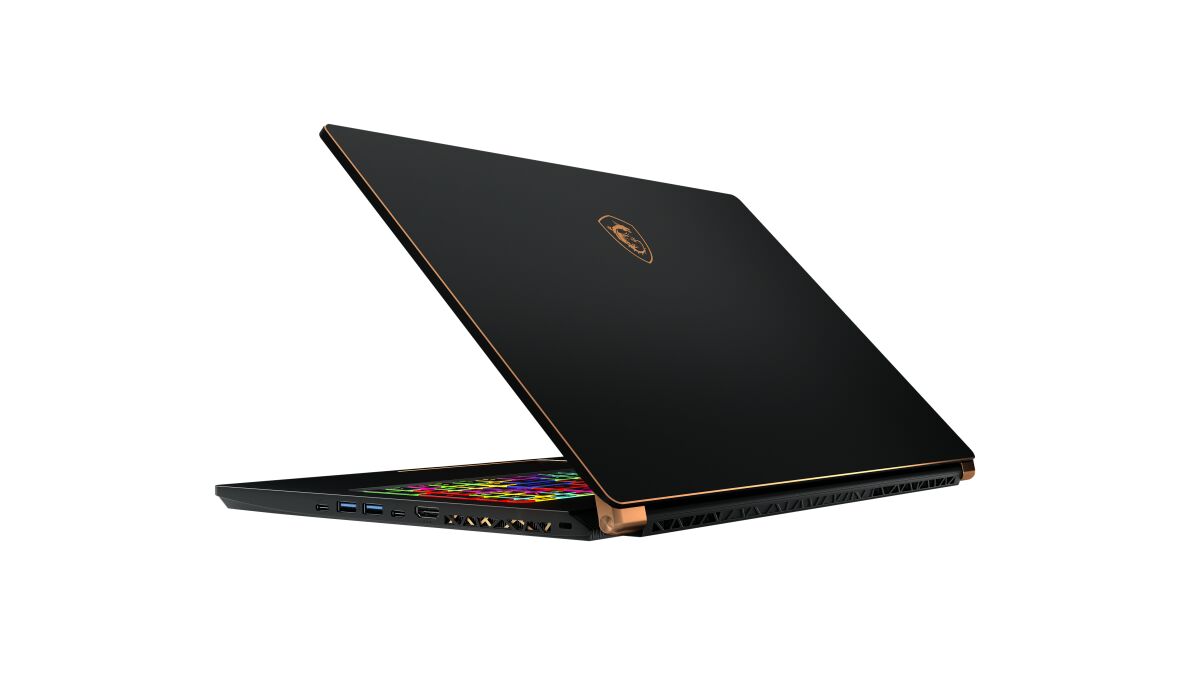
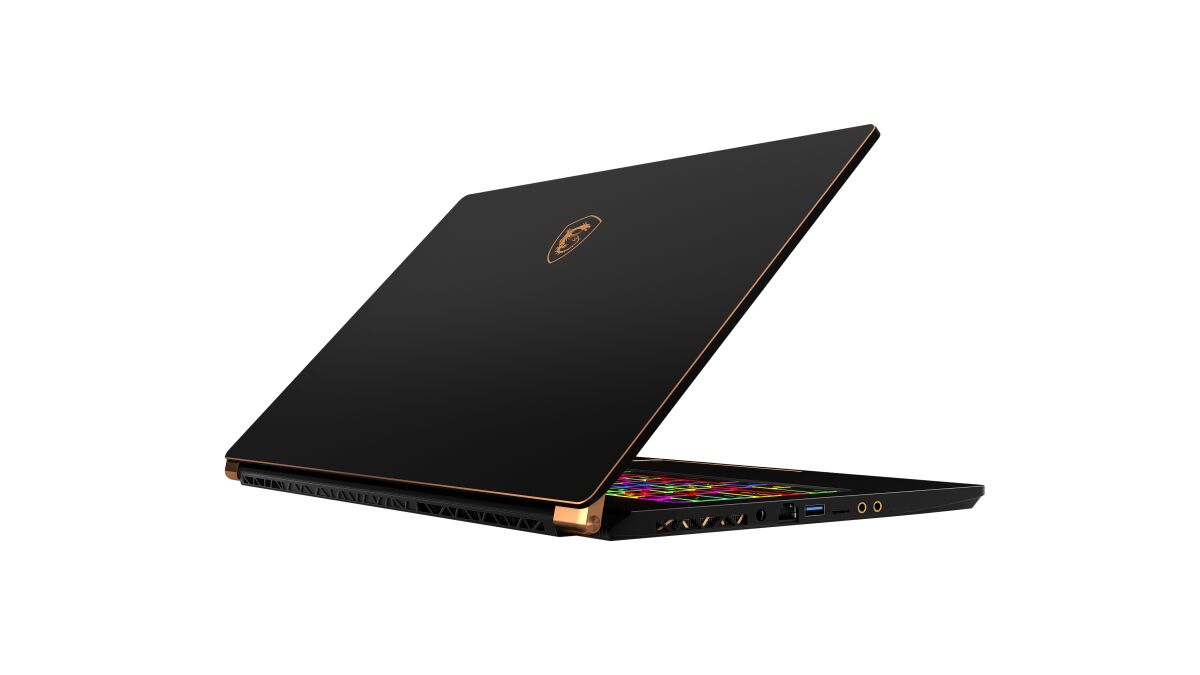
The MSI GS75 10SFS-644UK Stealth gaming laptop features DDR4-SDRAM memory specifications with two SO-DIMM slots supporting maximum RAM capacity of 64 GB. Memory upgrade components operate at 3200 MHz frequency. Compatible SO-DIMM modules enable users to expand total system memory from factory configuration. Specifications indicate the GS75 Stealth series supports dual-channel memory architecture for enhanced performance. Maximum upgrade capacity reaches 64 GB when both slots contain compatible DDR4 modules at specified frequency ratings.
Memory Upgrade Specifications
| Specification | Value |
|---|---|
| Memory slots | 2x SO-DIMM |
| Form factor | SO-DIMM |
| Memory type | DDR4-SDRAM |
| Frequency | 3200 MHz |
| Maximum RAM | 64 GB |
| Voltage | 1.2V |
| Number of pins | 260-pin |
| Interface | PC4 |
| PC Speed Rating | PC4-3200 (PC4-25600) |
| Bandwidth | 25.6 GB/s |
| Laptop Release date | 25 July 2020 |
Additional Notes
- The internal layout requires the removal of the motherboards to access memory slots because the board is physically inverted within the MSI GS75 10SFS-644UK Stealth chassis.
- Dual channel architecture necessitates matching module capacities and timings across both slots to maintain peak memory bandwidth and prevent system downclocking.
- System stability at 3200 MHz relies on the integrated memory controller within the 10th generation processor sustaining higher voltage profiles under load.
- Upgrading to the 64 GB limit involves replacing existing factory modules since no vacant slots remain for expansion.
- Low voltage 1.2V DDR4 modules are required to manage thermal output within the specialized thin-and-light cooling constraints.
- Reaching the maximum memory threshold assists in preventing swap file reliance on the primary storage drive during heavy multitasking or video rendering.
- Latency variations between different memory brands can trigger automatic BIOS timing adjustments to the slowest installed module speed.