MSI Gaming GS75 8SE-233AU Stealth RAM upgrade specifications



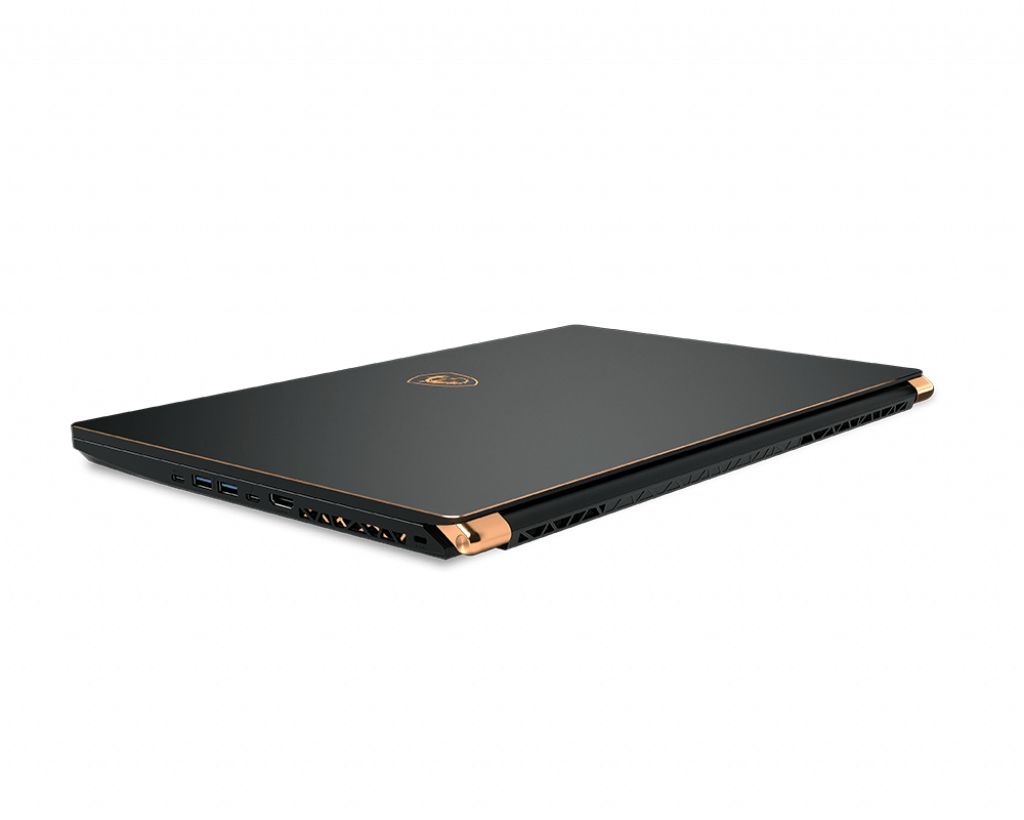

MSI GS75 8SE-233AU Stealth gaming laptop memory upgrade specifications include two SO-DIMM slots supporting DDR4-SDRAM modules. Maximum RAM capacity reaches 32 GB total, with compatible memory operating at 2666 MHz frequency. Specifications indicate SO-DIMM form factor modules are required for upgrades. The gaming series supports memory expansion through dual slots, enabling users to configure RAM capacity according to system requirements and performance needs.
Memory Upgrade Specifications
| Specification | Value |
|---|---|
| Memory slots | 2x SO-DIMM |
| Form factor | SO-DIMM |
| Memory type | DDR4-SDRAM |
| Frequency | 2666 MHz |
| Maximum RAM | 32 GB |
| Voltage | 1.2V |
| Number of pins | 260-pin |
| Interface | PC4 |
| PC Speed Rating | PC4-2666 (PC4-21328) |
| Bandwidth | 21.3 GB/s |
| Laptop Release date | 30 September 2019 |
Additional Notes
- The 32 GB ceiling reflects an 8th-generation Intel chipset limitation rather than physical slot capacity, restricting individual module density to 16 GB per SO-DIMM slot.
- DDR4-2666 operates below DDR4-3200 bandwidth standards commonly found in modern gaming laptops, creating potential frame-time bottlenecks in CPU-intensive titles that rely heavily on memory throughput.
- Dual-channel configuration requires matched module pairs to maintain symmetrical bandwidth, as mismatched capacities force the controller into single-channel mode for the excess capacity.
- SO-DIMM modules rated above 2666 MHz will downclock to match the MSI GS75 8SE-233AU Stealth maximum supported frequency, negating any performance advantage from higher-speed kits.
- Non-ECC unbuffered modules are mandatory, as SO-DIMM slots in consumer gaming platforms lack the electrical infrastructure for error-correction or registered memory architectures.
- Voltage must remain within JEDEC DDR4 specifications at 1.2V, as gaming laptop thermal envelopes cannot accommodate the heat output from overvolted XMP profiles designed for desktop cooling systems.
- Access to memory slots typically requires full bottom-panel removal rather than dedicated service doors, complicating field upgrades and potentially voiding seals on warranty-protected assemblies.
- Mixing module densities triggers asymmetric memory modes where only the matched capacity operates in dual-channel, reducing effective bandwidth for applications that exceed the smaller module's size.
- The 2666 MHz frequency represents JEDEC standard timing rather than XMP-overclocked speeds, ensuring compatibility across thermal throttling scenarios where power limits force memory controller downclocking.
- CAS latency tolerance remains narrow at DDR4-2666, as timing mismatches between modules from different manufacturers can cause POST failures or force conservative fallback timings that degrade performance.