MSI Gaming GS75 8SF-005NL Stealth RAM upgrade specifications
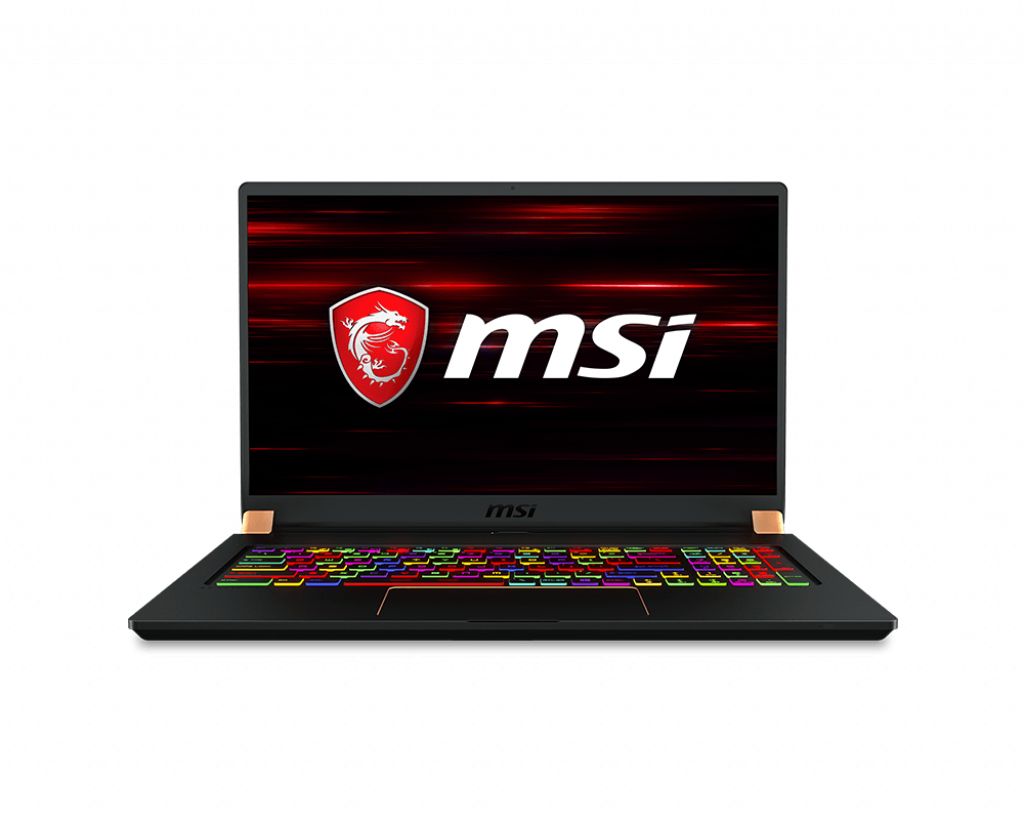
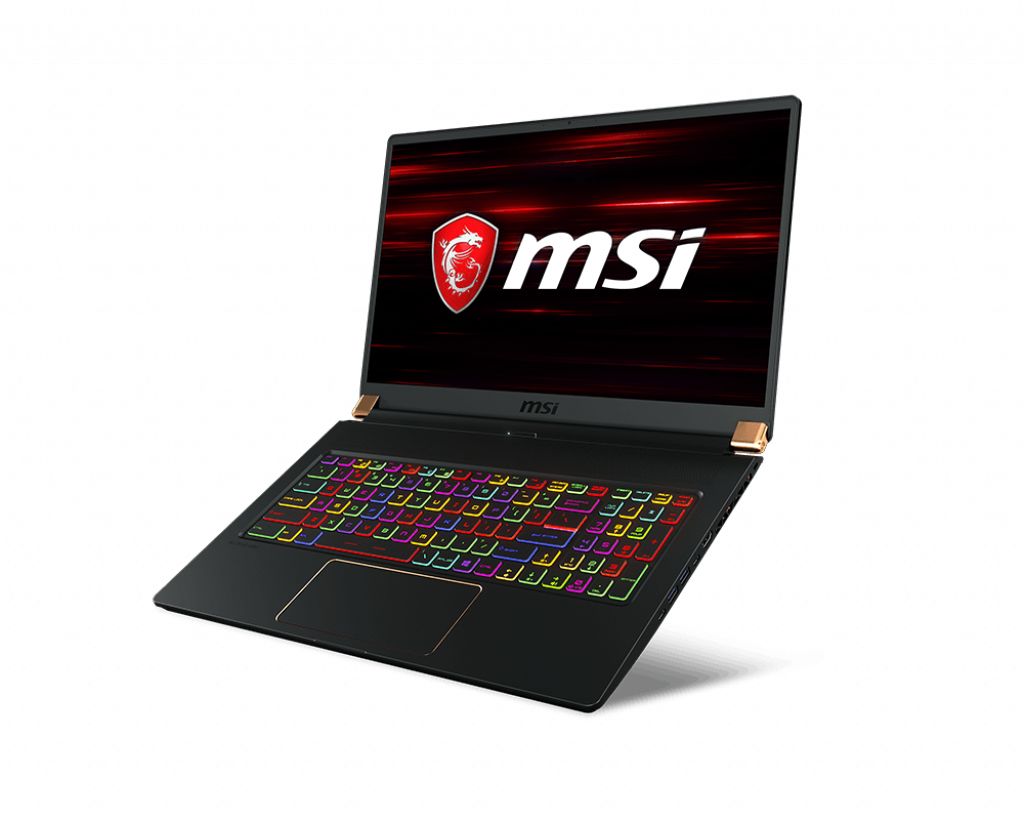

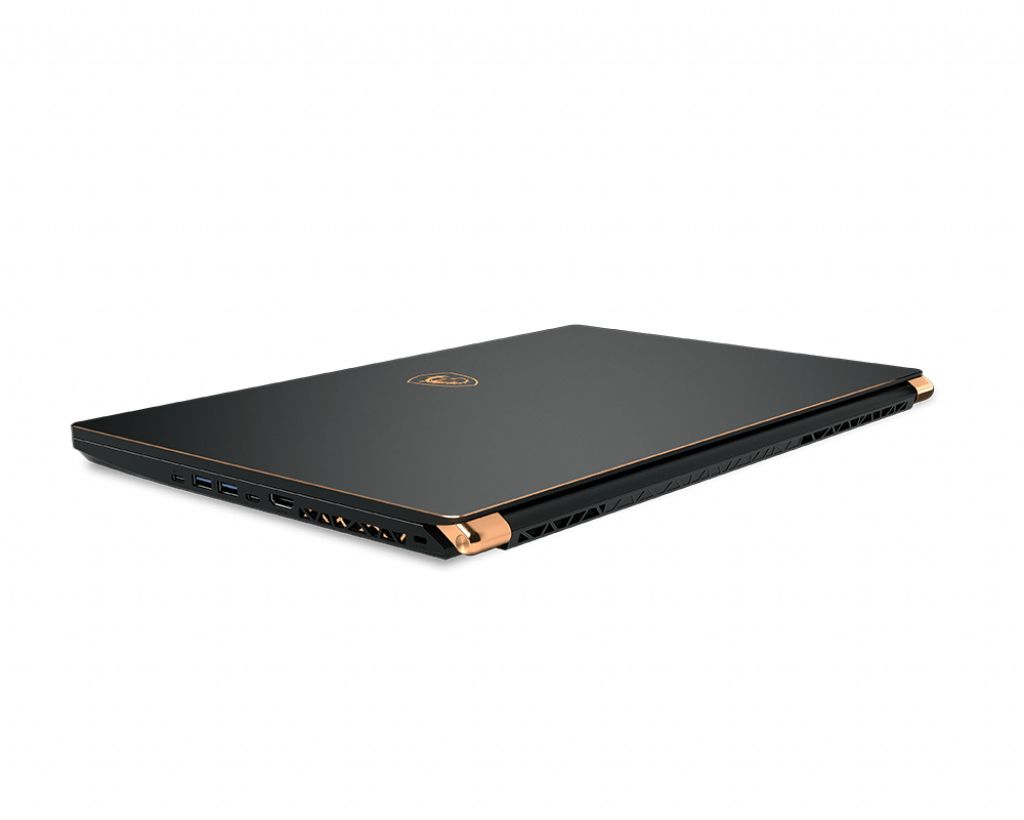

The MSI GS75 8SF-005NL Stealth gaming laptop features two SO-DIMM memory slots supporting DDR4-SDRAM at 2666 MHz frequency. The upgrade specifications allow for a maximum RAM capacity of 32 GB total, with each slot accommodating compatible SO-DIMM modules. Current memory configuration can be expanded by replacing or adding DDR4 modules to reach maximum specifications. The MSI Gaming GS series supports standard DDR4 memory upgrades for enhanced system performance.
Memory Upgrade Specifications
| Specification | Value |
|---|---|
| Memory slots | 2x SO-DIMM |
| Form factor | SO-DIMM |
| Memory type | DDR4-SDRAM |
| Frequency | 2666 MHz |
| Maximum RAM | 32 GB |
| Voltage | 1.2V |
| Number of pins | 260-pin |
| Interface | PC4 |
| PC Speed Rating | PC4-2666 (PC4-21328) |
| Bandwidth | 21.3 GB/s |
| Laptop Release date | 07 February 2019 |
Additional Notes
- The 32 GB ceiling enforces a maximum configuration of 2 modules at 16 GB each, precluding single-module installations if targeting full capacity.
- SO-DIMM packaging restricts compatibility to laptop-specific modules, as standard DIMM desktop memory physically cannot install in the smaller socket design.
- The 2666 MHz frequency specification represents a data transfer rate of 21,300 MB/s theoretical bandwidth per module under optimal dual-channel operation.
- Modules exceeding 2666 MHz will downclock to match the supported frequency, offering no performance advantage despite higher cost.
- Dual-slot architecture enables dual-channel mode when populated with matched pairs, doubling memory bandwidth compared to single-channel asymmetric configurations.
- DDR4 voltage typically operates at 1.2V, reducing thermal output compared to DDR3 predecessors and improving battery longevity during memory-intensive tasks.
- Installing mismatched module capacities activates flex mode on compatible chipsets, maintaining dual-channel operation only for the matched portion while reverting excess capacity to single-channel.
- CAS latency specifications affect real-world responsiveness independently of frequency, with lower CL values reducing access delays despite identical MHz ratings.
- ECC memory variants remain incompatible with consumer-grade platforms, as error-correction features require chipset-level support absent in the MSI GS75 8SF-005NL Stealth architecture.
- Registered or buffered modules will fail to initialize, as the unbuffered memory controller cannot interpret the additional register component on RDIMM configurations.
- Thermal constraints in compact chassis designs favor modules with heat spreaders only when sufficient clearance exists beneath keyboard assemblies during closed-lid operation.
- JEDEC-standard DDR4-2666 modules eliminate XMP profiling requirements, ensuring compatibility without BIOS intervention or manual timing adjustments.