MSI Gaming GS75 8SF Stealth RAM upgrade specifications
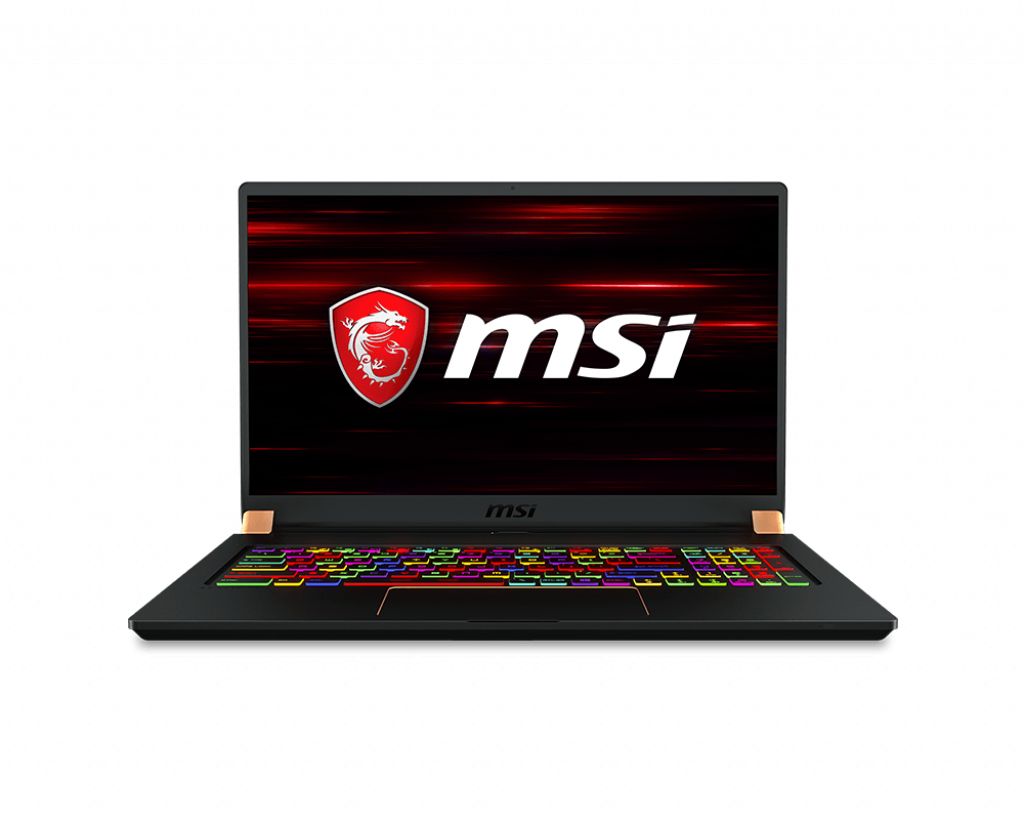
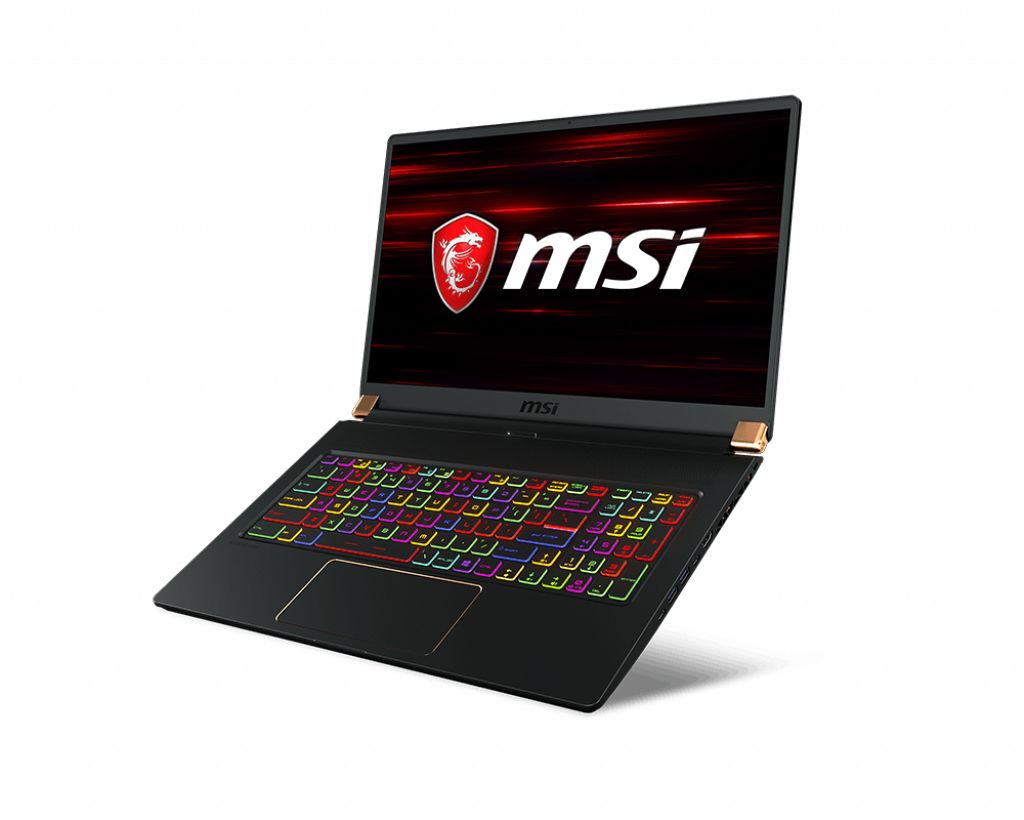

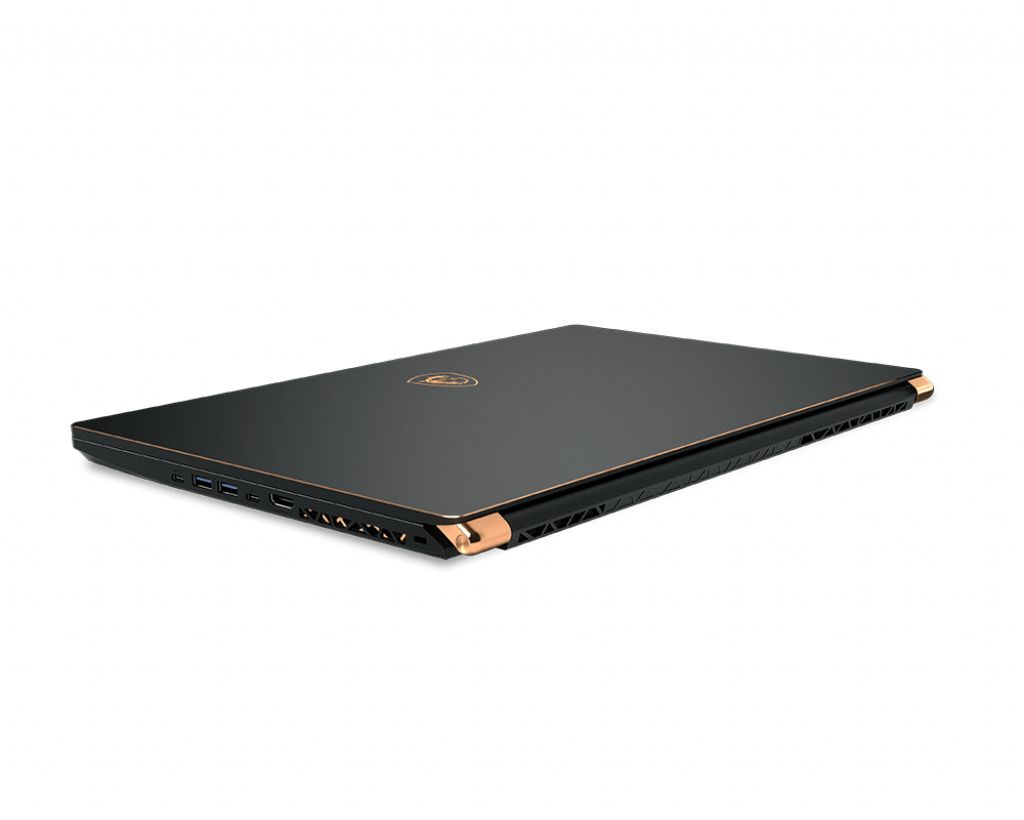

The MSI GS75 8SF Stealth Gaming series laptop features DDR4-SDRAM memory upgrade specifications with 2x SO-DIMM slots supporting up to 32 GB maximum capacity. Compatible memory modules operate at 2666 MHz frequency. The system accepts SO-DIMM form factor upgrades, allowing users to expand the laptop's RAM configuration for enhanced multitasking and performance capabilities. Specifications detail the maximum memory capacity and slot configuration for the GS75 8SF Stealth model.
Memory Upgrade Specifications
| Specification | Value |
|---|---|
| Memory slots | 2x SO-DIMM |
| Form factor | SO-DIMM |
| Memory type | DDR4-SDRAM |
| Frequency | 2666 MHz |
| Maximum RAM | 32 GB |
| Voltage | 1.2V |
| Number of pins | 260-pin |
| Interface | PC4 |
| PC Speed Rating | PC4-2666 (PC4-21328) |
| Bandwidth | 21.3 GB/s |
| Laptop Release date | 25 May 2019 |
Additional Notes
- The 2 SO-DIMM slot configuration in the MSI GS75 8SF Stealth limits capacity expansion to dual-channel mode only, requiring matched module pairs for optimal performance.
- DDR4-2666 represents the maximum officially supported speed for the chipset, though higher frequency modules will downclock automatically to this threshold without manual BIOS intervention.
- The 32 GB ceiling translates to a maximum 16 GB per slot, preventing installation of higher density 32 GB modules that exceed per-slot addressing limits.
- SO-DIMM physical dimensions restrict heat spreader height to approximately 30mm, excluding desktop-style modules with extended thermal solutions from compatibility.
- Dual-channel architecture creates symmetric bandwidth requirements where mismatched capacities will force the system to operate in asymmetric or single-channel mode, reducing memory throughput by approximately 50 percent.
- Non-ECC unbuffered modules are required, as registered or error-correcting memory types will cause POST failures in consumer mobile platforms.
- Voltage specification defaults to 1.2V standard DDR4 operation, while low-voltage 1.35V modules may introduce stability issues depending on motherboard firmware revision.
- CAS latency compatibility extends beyond CL19 standard for 2666 MHz, accepting tighter timings like CL17 or CL15 that will maintain the 2666 MHz frequency ceiling.
- Access to memory slots typically requires complete bottom panel removal and potential thermal module displacement, extending installation time compared to trap-door designs.
- Mixing module brands or revision codes between slots risks training failures during POST, particularly when density differs between installed DIMMs.