MSI Gaming GS75 8SF-008BE Stealth RAM upgrade specifications
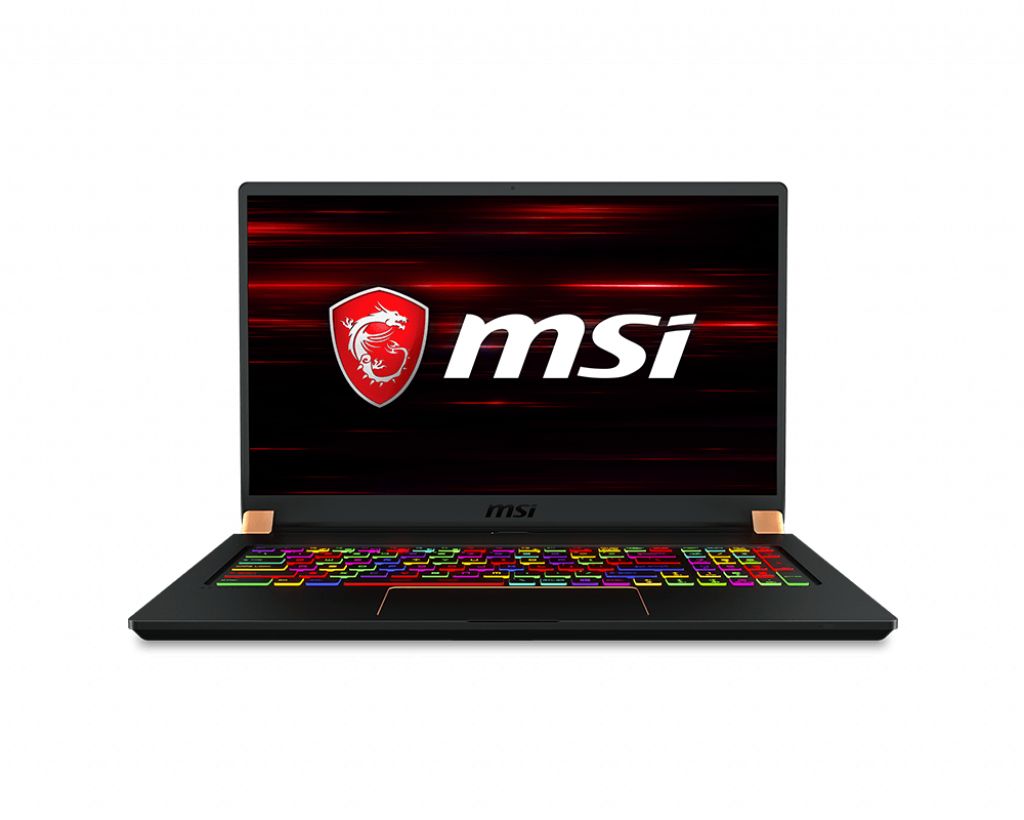
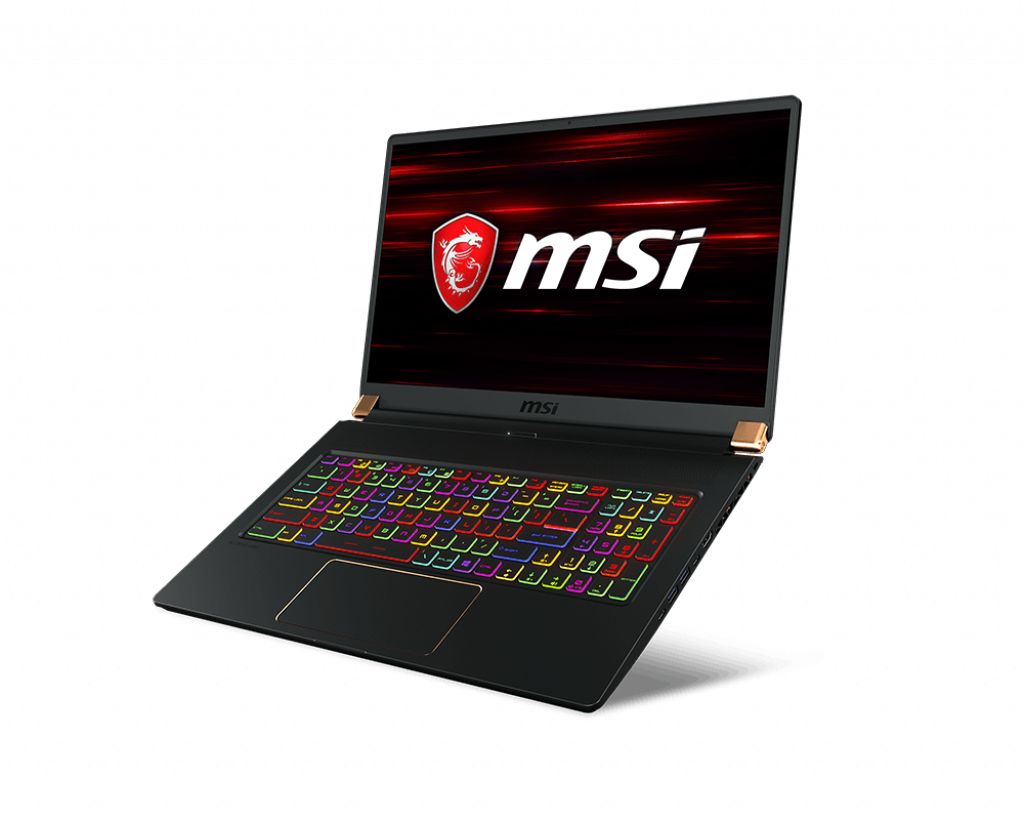
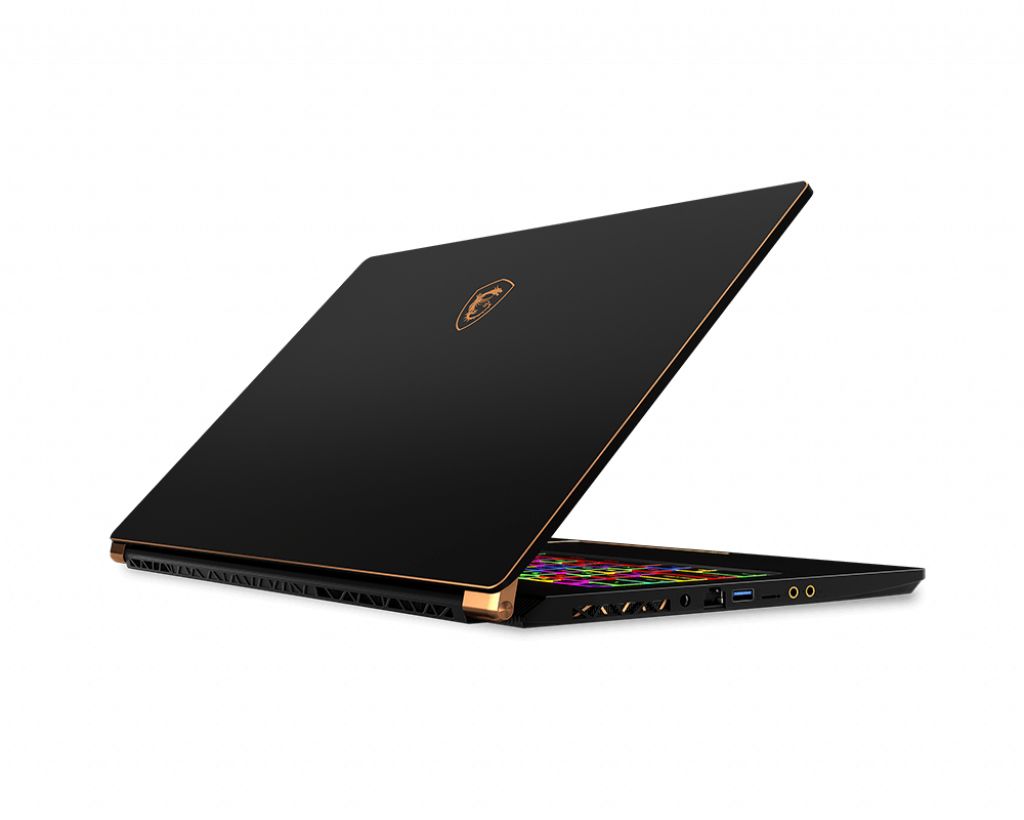
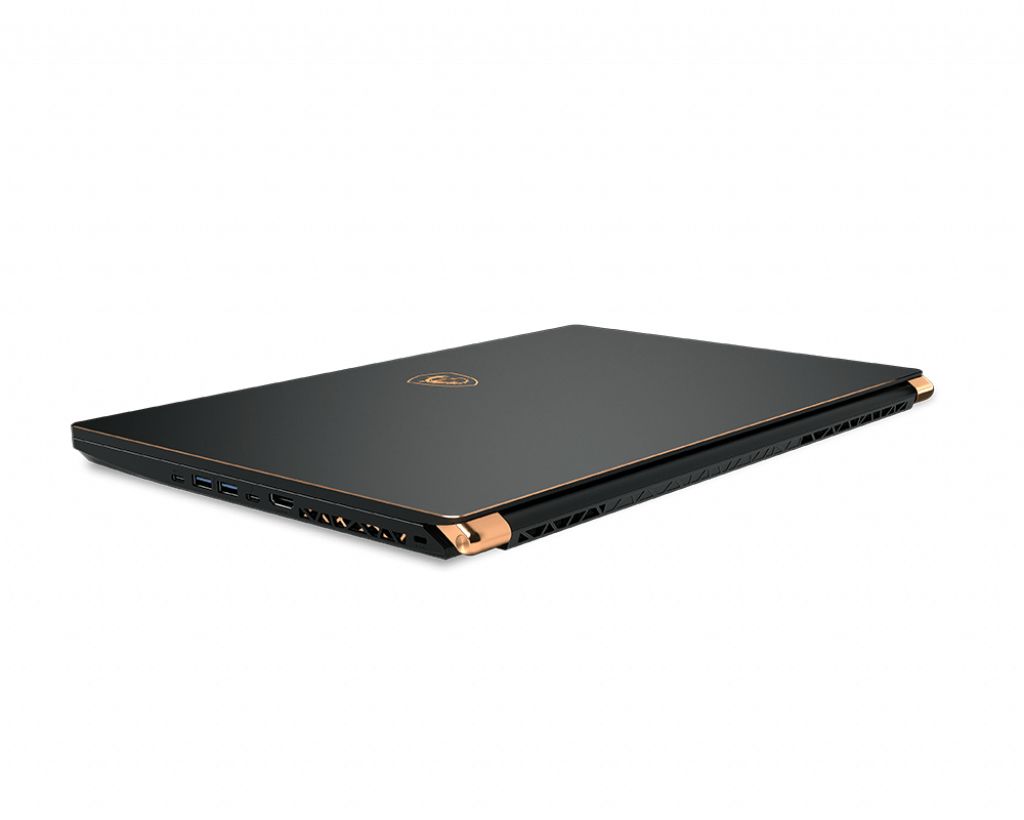

MSI GS75 8SF-008BE Stealth gaming laptop RAM upgrade specifications include DDR4-SDRAM memory compatible with 2x SO-DIMM slots. Maximum memory capacity reaches 32 GB total, operating at 2666 MHz frequency. Upgrade configuration supports SO-DIMM form factor modules. Current specifications define memory upgrade parameters and compatible RAM capacity for this GS series model.
Memory Upgrade Specifications
| Specification | Value |
|---|---|
| Memory slots | 2x SO-DIMM |
| Form factor | SO-DIMM |
| Memory type | DDR4-SDRAM |
| Frequency | 2666 MHz |
| Maximum RAM | 32 GB |
| Voltage | 1.2V |
| Number of pins | 260-pin |
| Interface | PC4 |
| PC Speed Rating | PC4-2666 (PC4-21328) |
| Bandwidth | 21.3 GB/s |
| Laptop Release date | 07 February 2019 |
Additional Notes
- The MSI GS75 8SF-008BE Stealth uses SO-DIMM modules instead of standard DIMMs, requiring laptop-specific memory that measures approximately 30 millimeters shorter than desktop equivalents.
- DDR4-2666 operates at a lower voltage of 1.2V compared to DDR3's 1.5V, reducing thermal output in the confined chassis but making older generation modules incompatible with the motherboard.
- The 32 GB ceiling necessitates installing 2 modules of 16 GB each to reach maximum capacity, as using smaller denominations will leave addressable memory unused.
- Memory rated above 2666 MHz will downclock automatically to match the supported frequency, preventing performance gains from higher-speed modules while potentially increasing cost unnecessarily.
- Dual-channel architecture requires populating both slots with matched capacity and speed specifications to achieve optimal bandwidth of 42.7 GB/s, as single-module configurations halve theoretical throughput.
- Non-ECC unbuffered modules are required for compatibility, as registered or error-correcting variants designed for server applications will fail POST or refuse to initialize.
- CAS latency timings interact with the 2666 MHz clock to produce real-world latency measured in nanoseconds, where CL19 modules deliver slightly slower response than CL17 alternatives at identical frequencies.
- Warranty preservation typically requires avoiding chassis disassembly damage, though memory installation through accessible service panels generally remains permissible under most regional consumer protection frameworks.
- JEDEC-standard modules ensure baseline compatibility, while XMP-profiled alternatives may require BIOS intervention or revert to default JEDEC timings if the firmware lacks profile support.
- Operating temperature thresholds for DDR4 SO-DIMMs typically span 0 to 85 degrees Celsius, though sustained operation above 70 degrees may trigger thermal throttling in gaming workloads with inadequate chassis ventilation.