MSI Gaming GS75 8SF-071 Stealth RAM upgrade specifications
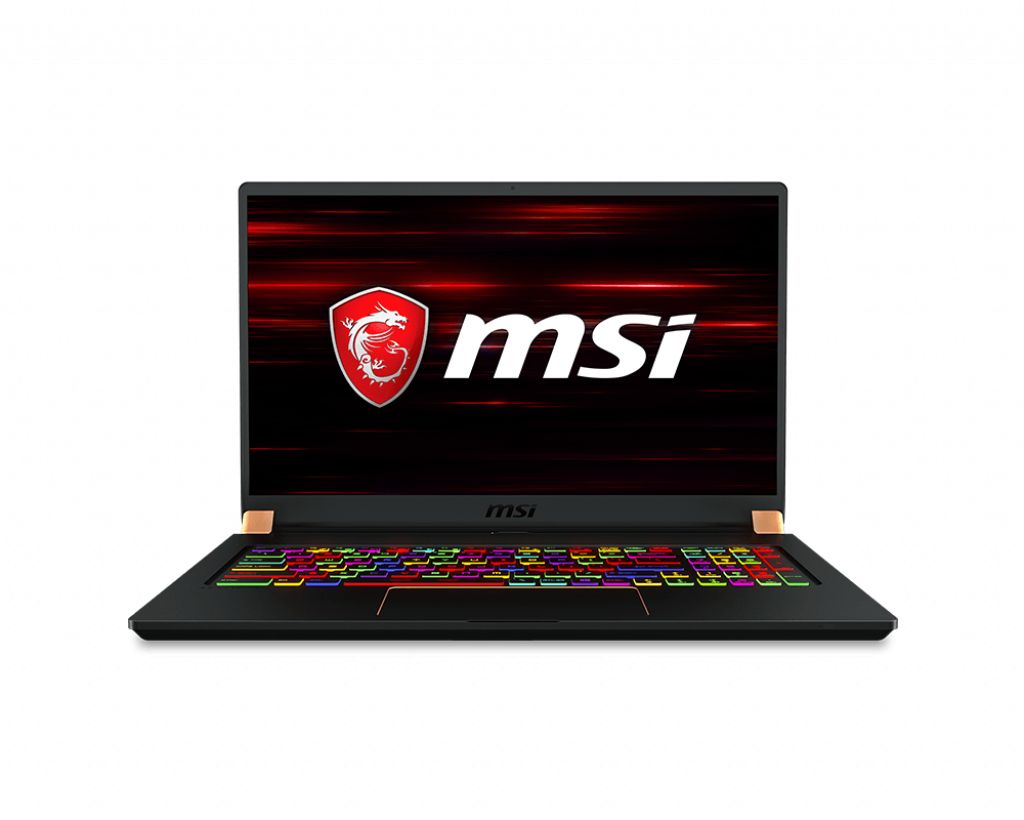
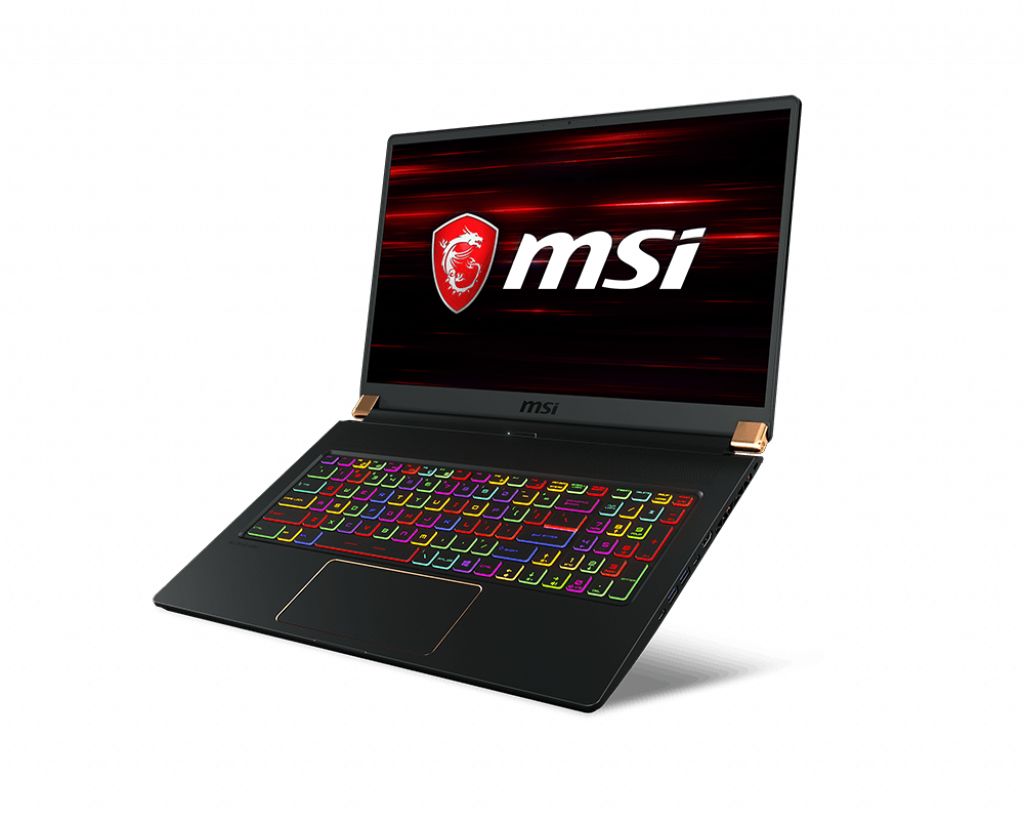
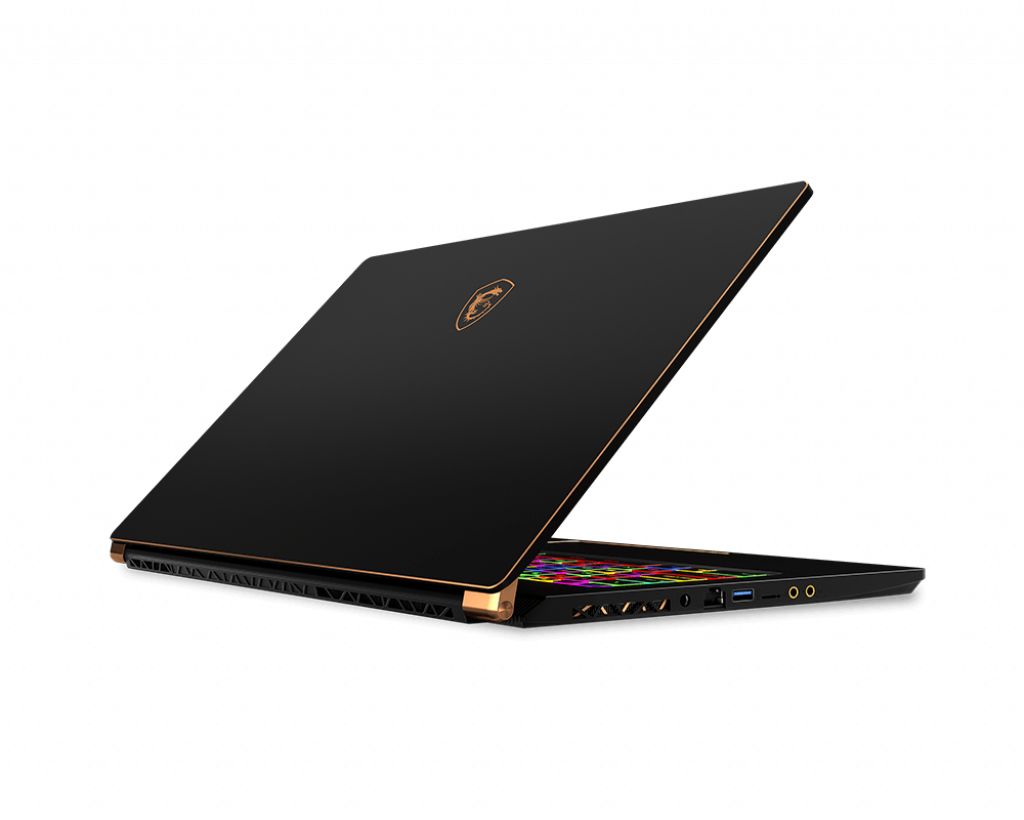
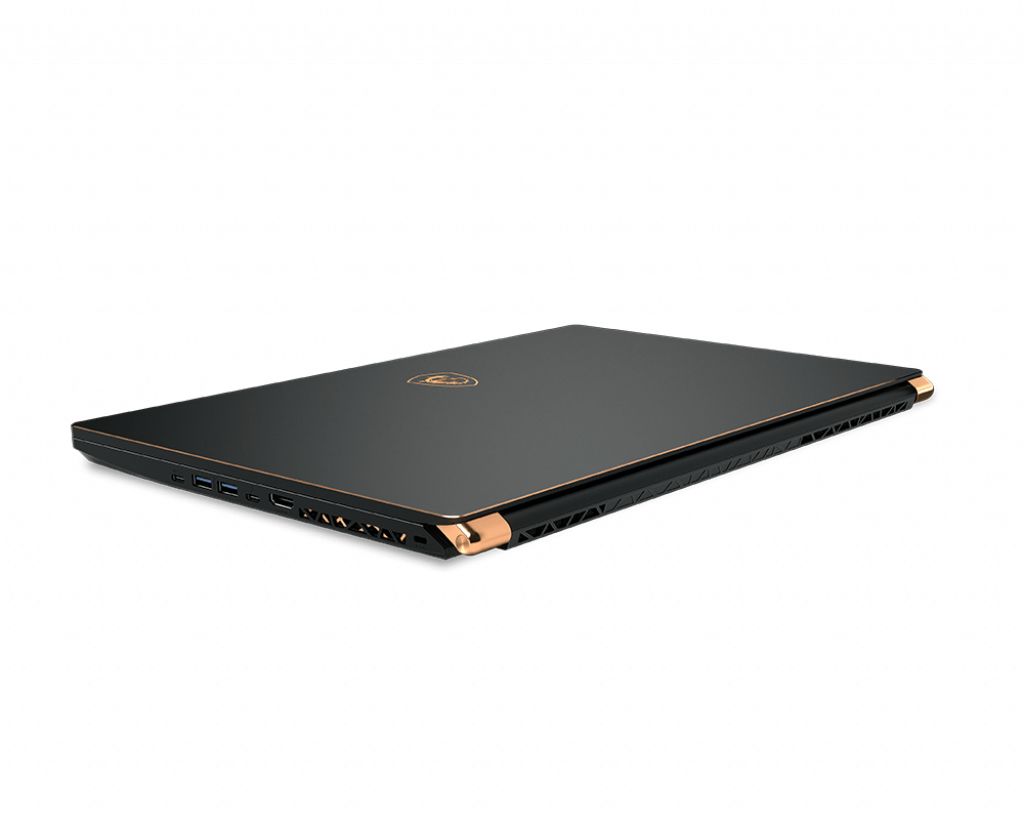

The MSI GS75 8SF-071 Stealth gaming laptop supports DDR4-SDRAM memory upgrades with 2x SO-DIMM slots. Maximum RAM capacity reaches 32 GB total, with compatible modules operating at 2666 MHz frequency. The SO-DIMM form factor specifications enable memory expansion for enhanced multitasking and performance on the GS series platform. Users can upgrade existing memory modules within the defined slot configuration to achieve maximum supported capacity for the GS75 8SF-071 Stealth model.
Memory Upgrade Specifications
| Specification | Value |
|---|---|
| Memory slots | 2x SO-DIMM |
| Form factor | SO-DIMM |
| Memory type | DDR4-SDRAM |
| Frequency | 2666 MHz |
| Maximum RAM | 32 GB |
| Voltage | 1.2V |
| Number of pins | 260-pin |
| Interface | PC4 |
| PC Speed Rating | PC4-2666 (PC4-21328) |
| Bandwidth | 21.3 GB/s |
| Laptop Release date | 07 February 2019 |
Additional Notes
- The 2x SO-DIMM configuration in the MSI GS75 8SF-071 Stealth means both slots must be populated simultaneously to achieve dual-channel memory bandwidth; single-slot population reduces throughput by approximately 50 percent.
- DDR4-2666 MHz operation functions within JEDEC standard specifications, but third-party modules rated for DDR4-3000 or higher will automatically downclock to 2666 MHz due to the chipset's memory controller ceiling, eliminating performance gains from faster modules.
- The 32 GB maximum capacity constraint stems from the laptop's dual-channel architecture and BIOS limitations; adding 2x16 GB modules saturates the upgrade path, leaving no headroom for future expansion beyond this threshold.
- SO-DIMM modules occupy minimal physical space but require careful alignment during installation; improper seating contacts can cause intermittent boot failures or undetected memory that persists through POST despite successful physical insertion.
- Upgrading from factory-installed memory to higher-capacity modules may trigger BIOS checksum validation on first boot; if the system halts during this process, a full CMOS reset becomes necessary to restore POST functionality.
- Mixing memory modules from different manufacturers or production batches within the same configuration introduces latency and timing synchronization risks, even when both modules meet DDR4-2666 specifications on paper.
- The laptop's limited thermal envelope means no passive cooling penalty occurs from memory upgrades, but dense 16 GB modules generate marginally higher heat output than lower-density alternatives, affecting adjacent component temperatures near the DIMM slots.