MSI Gaming GS75 8SF-083FR Stealth RAM upgrade specifications
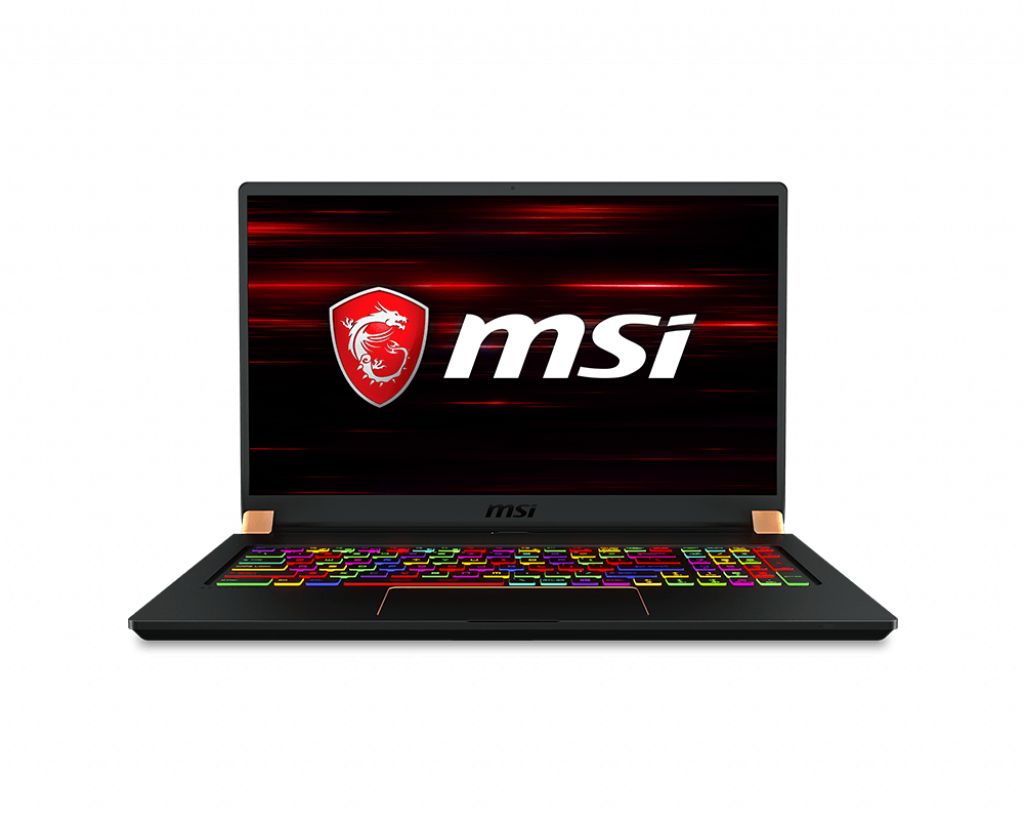
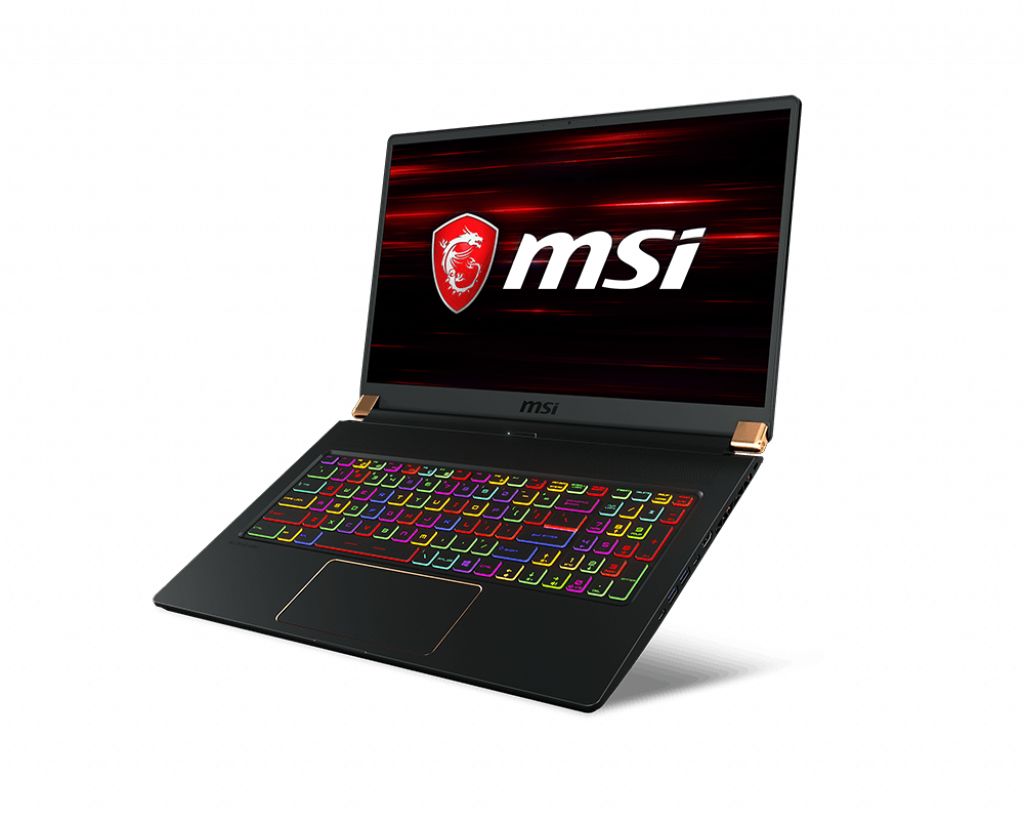
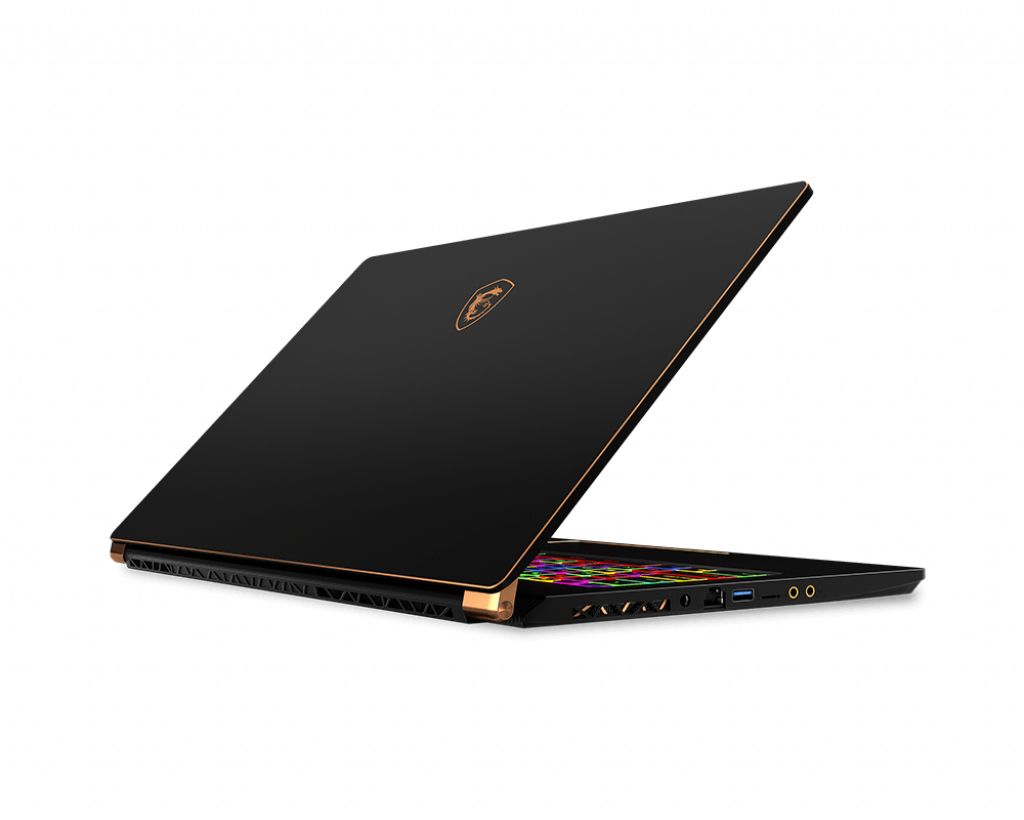
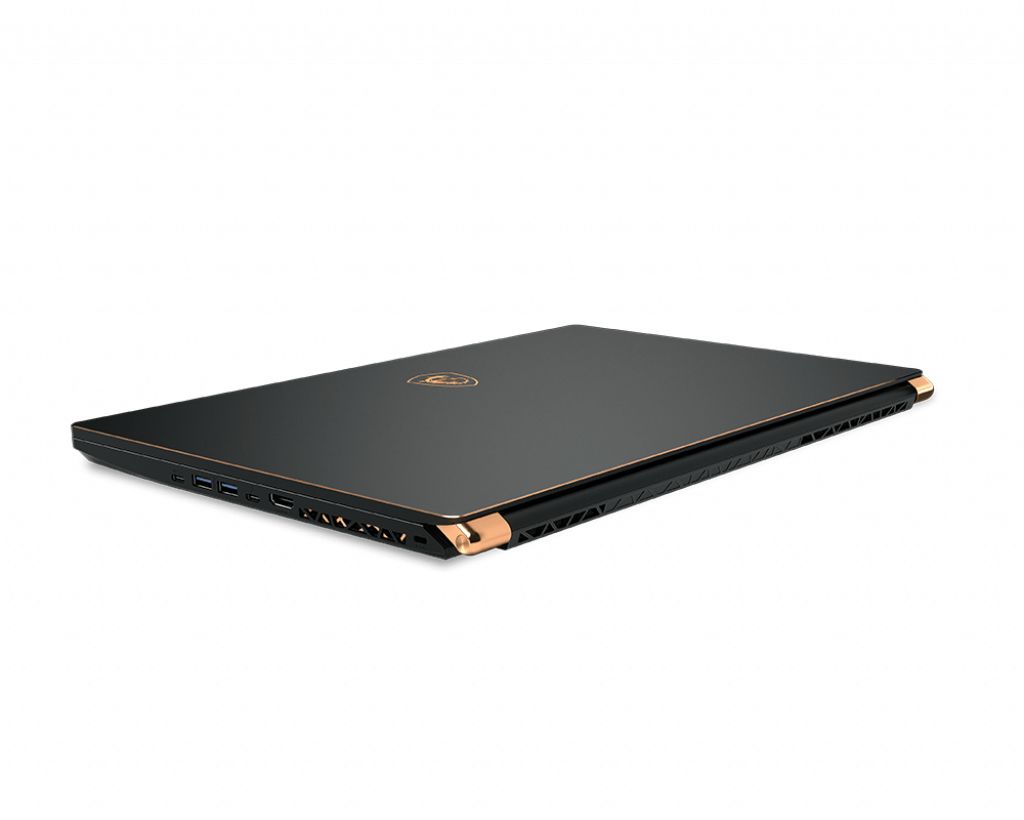
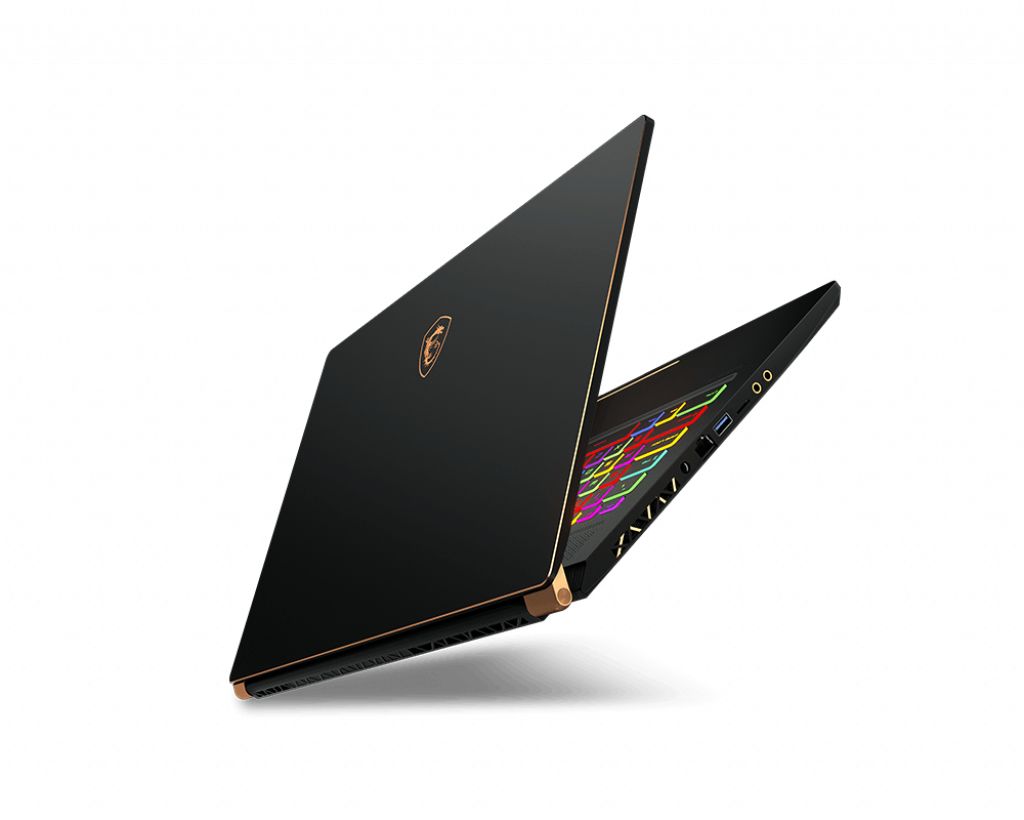
The MSI GS75 8SF-083FR Stealth gaming laptop supports DDR4-SDRAM memory upgrades through dual SO-DIMM slots. Maximum compatible RAM capacity reaches 32 GB, with memory operating at 2666 MHz frequency. The GS Series model features expandable memory architecture for enhanced multitasking and performance capabilities. Upgrade specifications enable installation of additional SO-DIMM modules to increase existing memory configuration up to the maximum supported capacity.
Memory Upgrade Specifications
| Specification | Value |
|---|---|
| Memory slots | 2x SO-DIMM |
| Form factor | SO-DIMM |
| Memory type | DDR4-SDRAM |
| Frequency | 2666 MHz |
| Maximum RAM | 32 GB |
| Voltage | 1.2V |
| Number of pins | 260-pin |
| Interface | PC4 |
| PC Speed Rating | PC4-2666 (PC4-21328) |
| Bandwidth | 21.3 GB/s |
| Laptop Release date | 11 March 2019 |
Additional Notes
- The MSI GS75 8SF-083FR Stealth uses laptop-grade SO-DIMM modules rather than desktop DIMM form factors, restricting upgrades to mobile memory variants only and preventing repurposing of standard desktop RAM sticks.
- Dual SO-DIMM slots permit symmetric dual-channel operation only when both slots contain matching capacity modules; asymmetric configurations revert to single-channel performance on the smaller module's capacity range, creating a potential bandwidth penalty of 40-50 percent on memory-intensive workloads.
- The 2666 MHz specification indicates 8th-generation Intel platform constraints; this frequency ceiling prevents compatibility with faster DDR4 modules (3200 MHz, 3600 MHz variants), as the memory controller will downclock higher-frequency DIMMs to the system's native speed rather than enabling overclocking.
- 32 GB maximum capacity limits practical multitasking headroom for concurrent virtual machines, large dataset processing, or heavy content creation workflows; reaching this ceiling requires 2x 16 GB modules at standard latency timings rather than binned performance variants.
- Warranty retention typically requires purchasing manufacturer-approved memory lists or OEM-qualified modules; third-party DDR4-2666 SO-DIMM sticks meeting JEDEC standards remain functionally compatible but may void coverage if memory-related failures occur during the claim period.
- The 2-slot architecture offers no expansion redundancy; failure of a single module causes immediate system instability, whereas systems with 4 slots distribute risk and permit graceful degradation during slot failure diagnosis.