MSI Gaming GS75 8SF-098FR Stealth RAM upgrade specifications
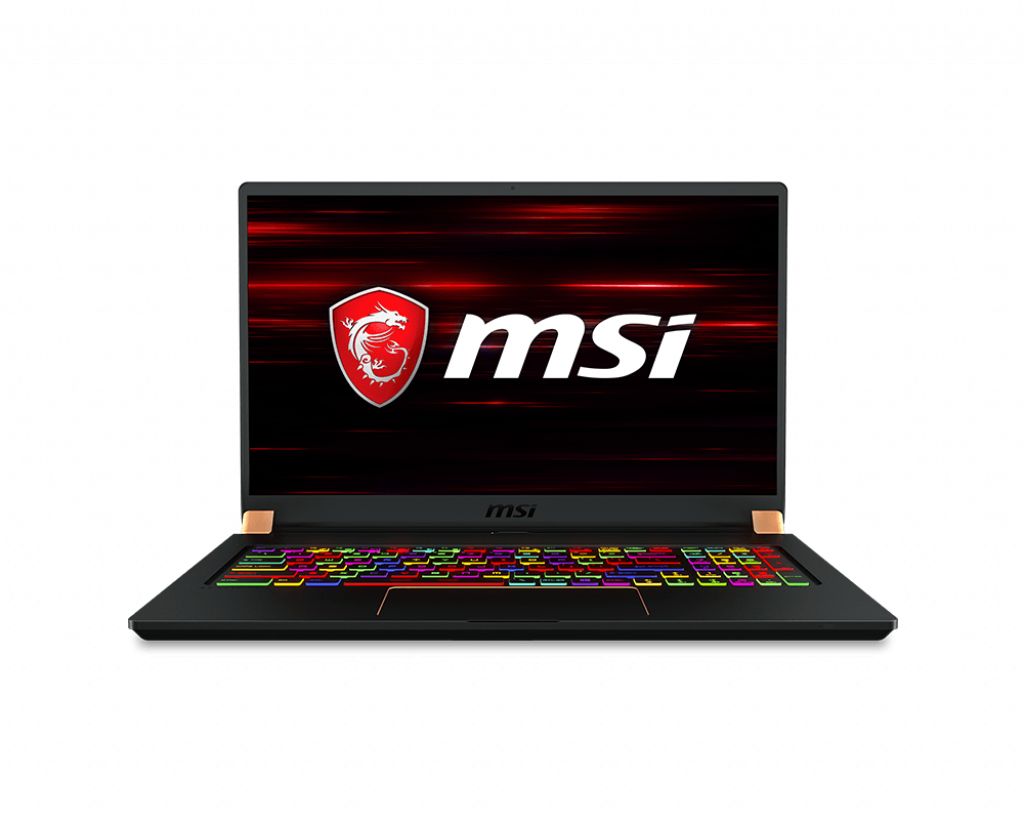
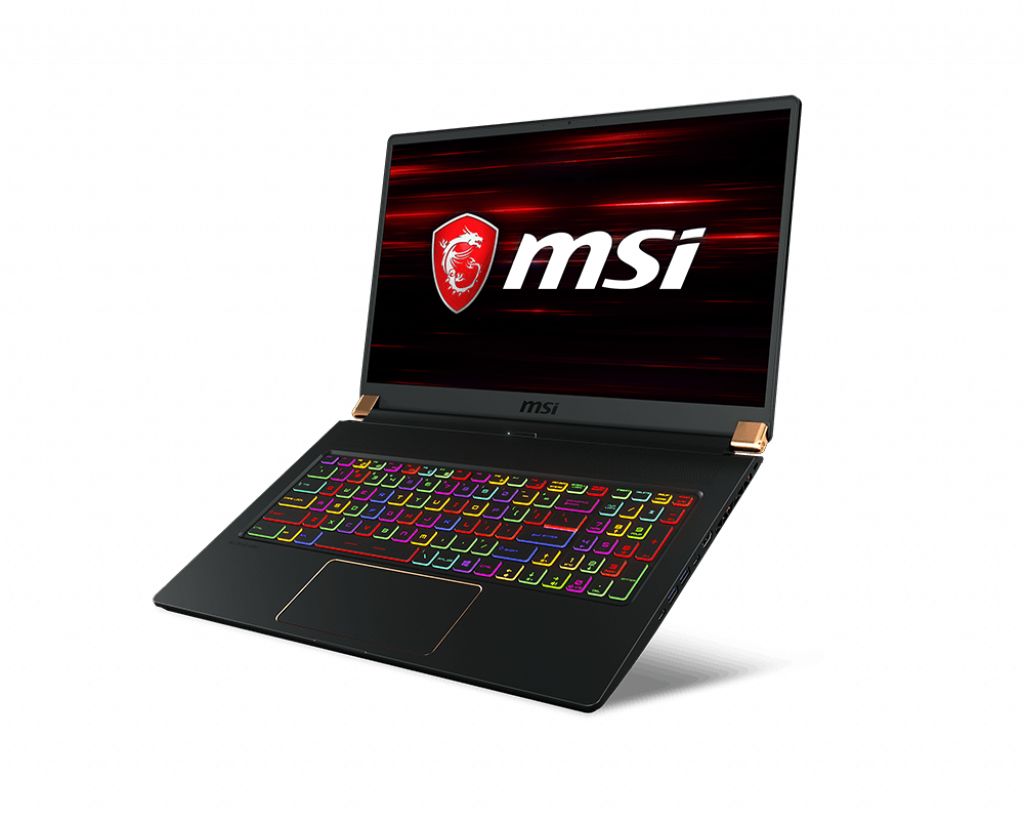

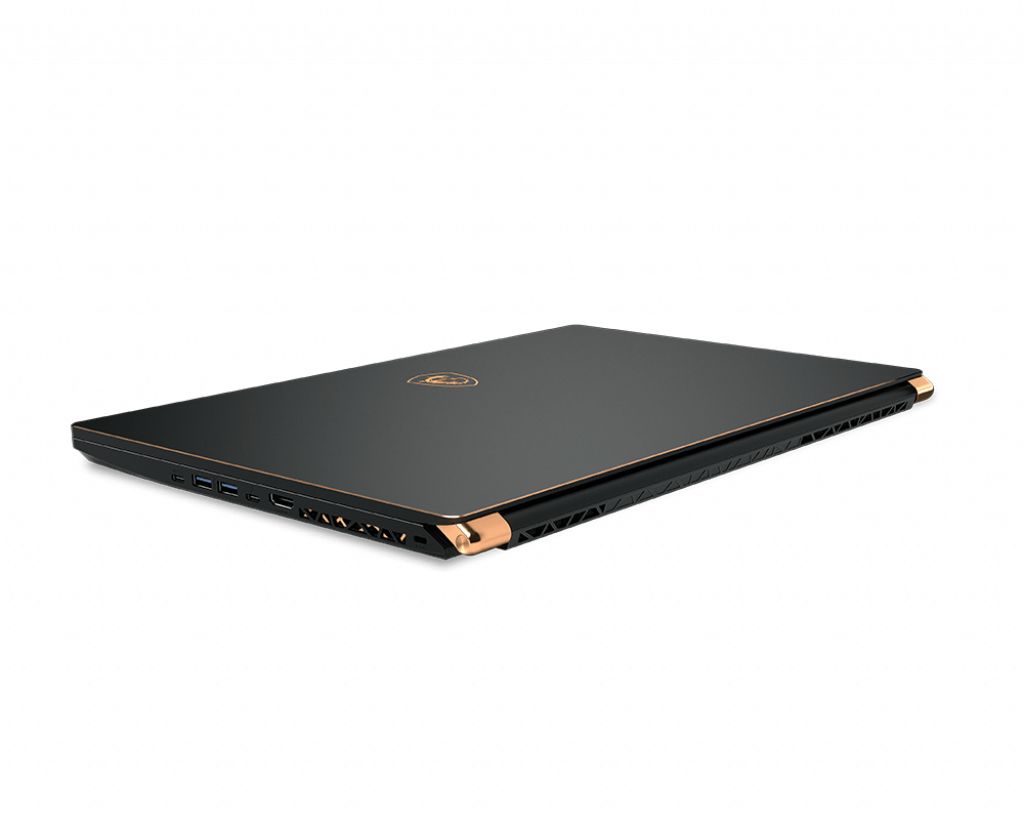

The MSI GS75 8SF-098FR Stealth gaming laptop features DDR4-SDRAM memory with upgrade capabilities through 2x SO-DIMM slots. Maximum RAM capacity reaches 32 GB at 2666 MHz frequency. Compatible memory modules must match the SO-DIMM form factor specifications for proper installation. The specifications indicate the laptop supports memory upgrades to achieve maximum performance capacity.
Memory Upgrade Specifications
| Specification | Value |
|---|---|
| Memory slots | 2x SO-DIMM |
| Form factor | SO-DIMM |
| Memory type | DDR4-SDRAM |
| Frequency | 2666 MHz |
| Maximum RAM | 32 GB |
| Voltage | 1.2V |
| Number of pins | 260-pin |
| Interface | PC4 |
| PC Speed Rating | PC4-2666 (PC4-21328) |
| Bandwidth | 21.3 GB/s |
| Laptop Release date | 20 May 2019 |
Additional Notes
- The 2 slot configuration limits upgrade flexibility since reaching the maximum capacity requires replacing both modules rather than adding to existing memory.
- The 2666 MHz frequency specification indicates 8th generation Intel Core processor compatibility, which typically supports DDR4-2400 and DDR4-2666 speeds natively without overclocking.
- Installing higher frequency modules such as 3200 MHz will result in automatic downclocking to 2666 MHz due to chipset and processor limitations.
- The SO-DIMM form factor necessitates modules approximately 30% smaller than desktop DIMM variants, reducing compatibility with standard desktop memory inventories.
- Single module operation will halve memory bandwidth by disabling dual-channel mode, potentially reducing integrated graphics performance and memory-intensive application throughput by 20-30%.
- The 32 GB ceiling requires 2x16 GB module configuration, as 2x8 GB yields only 16 GB total capacity and leaves no upgrade path without module replacement.
- Non-ECC unbuffered modules are required for the MSI GS75 8SF-098FR Stealth consumer platform, as ECC or registered memory types will cause boot failures or remain unrecognized.
- Mixing modules with different latencies (CAS timings) will force all memory to operate at the slowest common timing specification, potentially degrading performance below specification sheet expectations.
- The voltage specification must remain at standard 1.2V for DDR4 SO-DIMM modules, as low-voltage variants designed for different platforms may cause stability issues.
- Accessing memory slots in this gaming chassis typically requires complete bottom panel removal and potential thermal pad/paste disturbance, which may affect warranty status if seals are present.