MSI Gaming GS75 9SF-1041ES Stealth RAM upgrade specifications
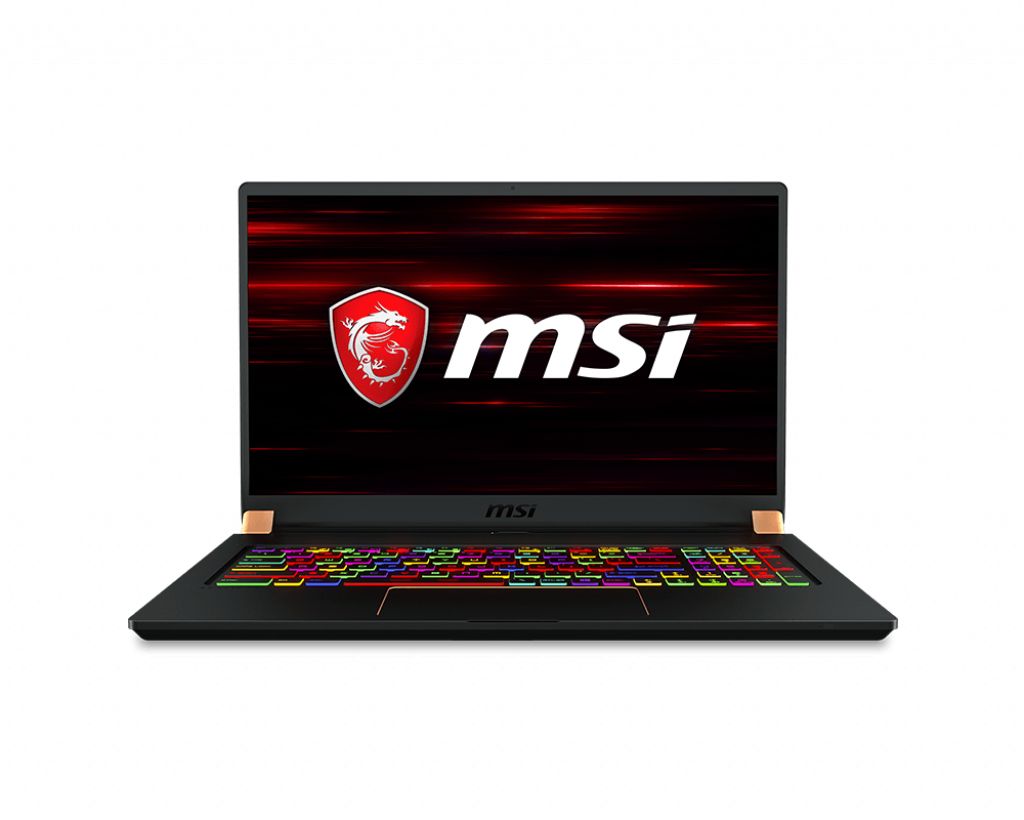
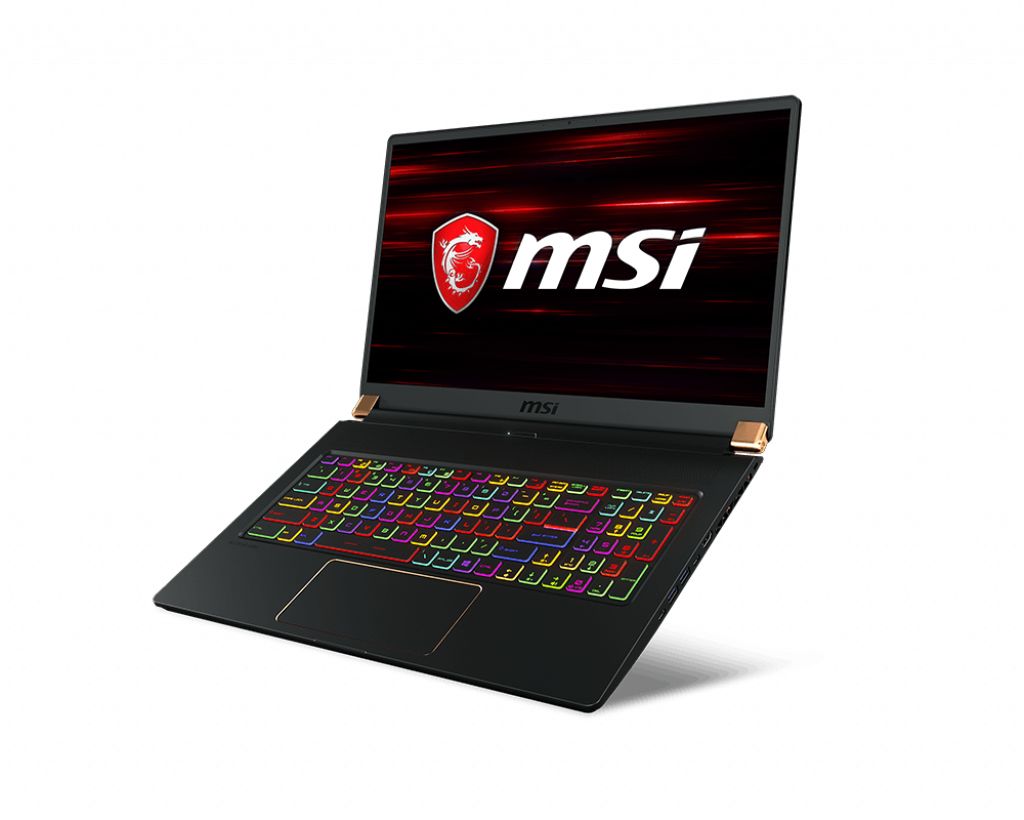
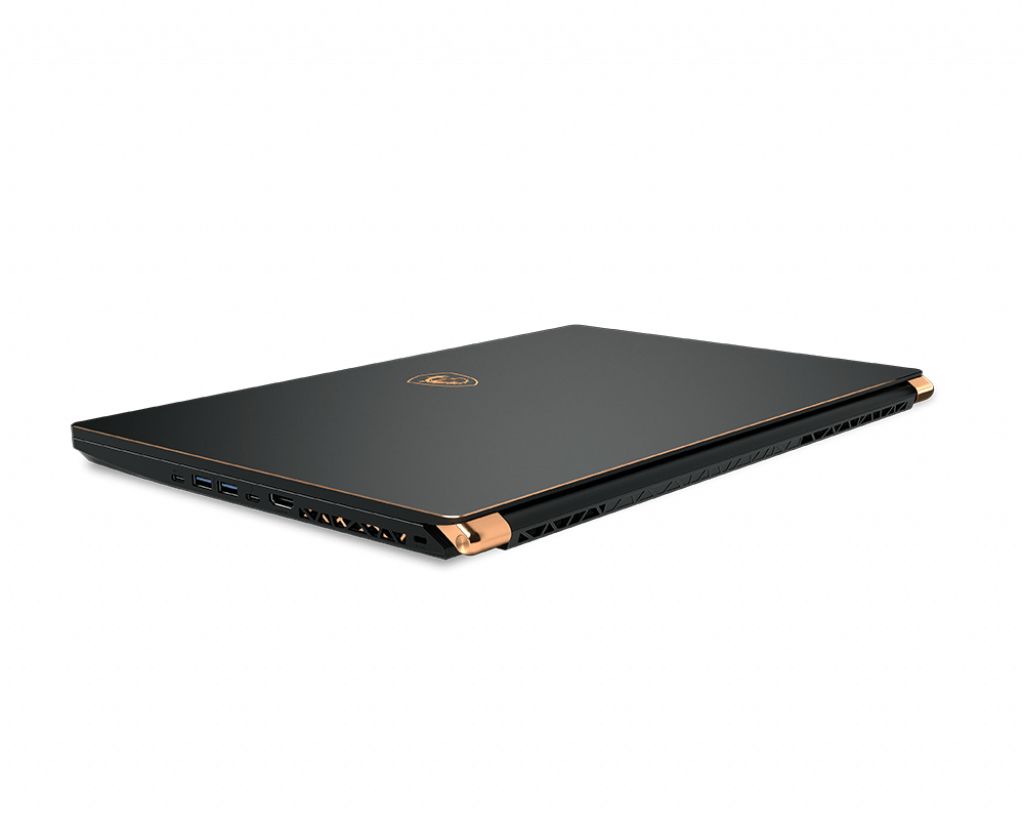

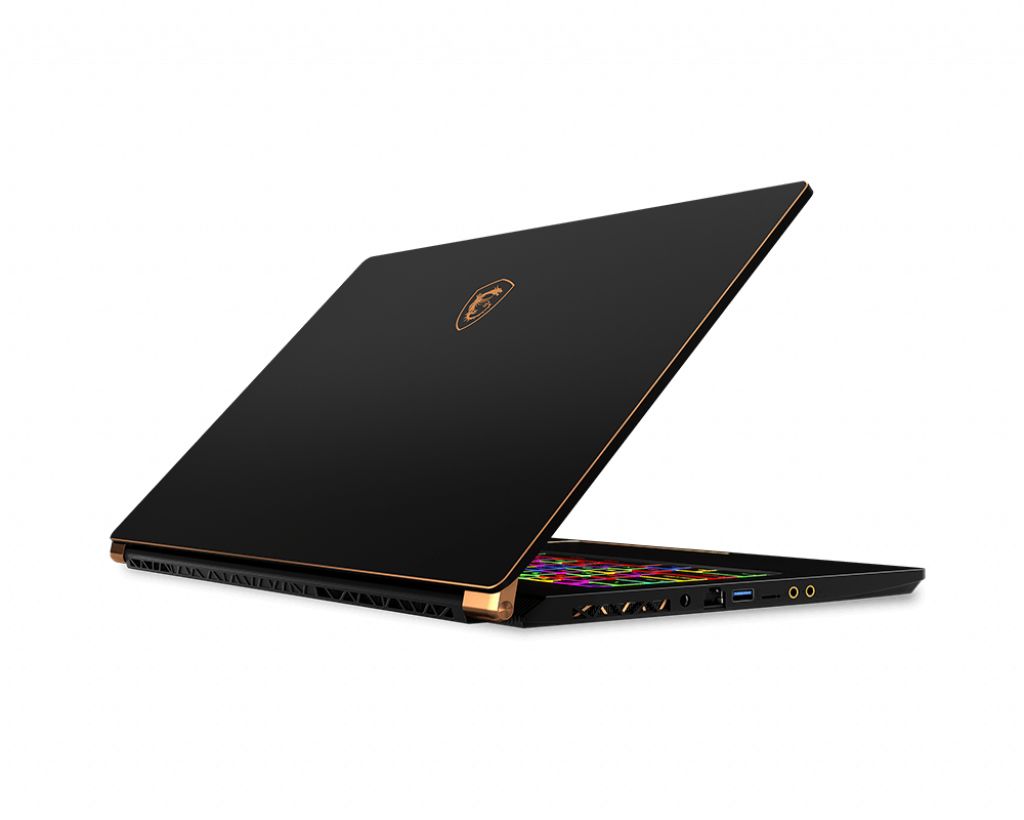
The MSI GS75 9SF-1041ES Stealth gaming laptop features DDR4-SDRAM memory specifications with two SO-DIMM slots supporting maximum capacity of 64 GB total. The memory upgrade slots operate at 2666 MHz frequency. Compatible RAM modules utilize the SO-DIMM form factor standard for laptop configurations. This MSI Gaming GS series model specifications indicate upgrade potential to 32 GB per slot for enhanced system performance. DDR4 memory compatibility ensures the laptop supports compatible upgrades within specified parameters and maximum capacity limitations.
Memory Upgrade Specifications
| Specification | Value |
|---|---|
| Memory slots | 2x SO-DIMM |
| Form factor | SO-DIMM |
| Memory type | DDR4-SDRAM |
| Frequency | 2666 MHz |
| Maximum RAM | 64 GB |
| Voltage | 1.2V |
| Number of pins | 260-pin |
| Interface | PC4 |
| PC Speed Rating | PC4-2666 (PC4-21328) |
| Bandwidth | 21.3 GB/s |
| Laptop Release date | 07 September 2019 |
Additional Notes
- The 2666 MHz frequency limitation means faster DDR4 modules rated at 3000 MHz or 3200 MHz will downclock to match this ceiling, wasting their performance headroom.
- DDR4 SO-DIMM modules operating at 2666 MHz typically run at 1.2V, ensuring thermal compatibility with the slim chassis thermal envelope common in gaming ultraportables.
- The 2-slot configuration requires immediate removal of factory-installed modules when upgrading to higher capacities, as no empty slots remain for incremental expansion.
- Reaching the 64 GB ceiling necessitates two 32 GB modules, which cost significantly more per gigabyte than 16 GB modules due to current DRAM density pricing.
- Single-rank versus dual-rank module architecture affects memory bandwidth: dual 16 GB dual-rank modules may outperform single 32 GB single-rank modules in memory-intensive workloads despite identical total capacity.
- The MSI GS75 9SF-1041ES Stealth uses ninth-generation Intel processors with dual-channel memory controllers that achieve 41.6 GB/s theoretical bandwidth when both SO-DIMM slots contain matched modules.
- Mixing modules with different densities or manufacturers risks defaulting to JEDEC standard timings rather than XMP profiles, slightly reducing effective latency performance.
- Upgrading beyond 16 GB total capacity provides no gaming performance benefit in current titles but extends usability for virtual machines, video editing, and 3D rendering workflows.
- SO-DIMM latency specifications at CL19 versus CL17 translate to roughly 2-3 nanoseconds real-world difference, imperceptible in gaming but measurable in memory benchmarking tools.
- Bottom panel removal exposes both memory slots without requiring motherboard extraction, preserving manufacturer warranty seals located elsewhere in the chassis.
- Non-ECC unbuffered modules represent the only compatible type; ECC or registered SO-DIMMs physically fit but fail POST due to chipset incompatibility.
- Temperature sensors in premium DDR4 modules enable monitoring through HWiNFO64 but provide no throttling benefit, as SO-DIMM thermal limits rarely activate in laptop environments.