MSI Gaming GS75 9SE-685FR Stealth RAM upgrade specifications
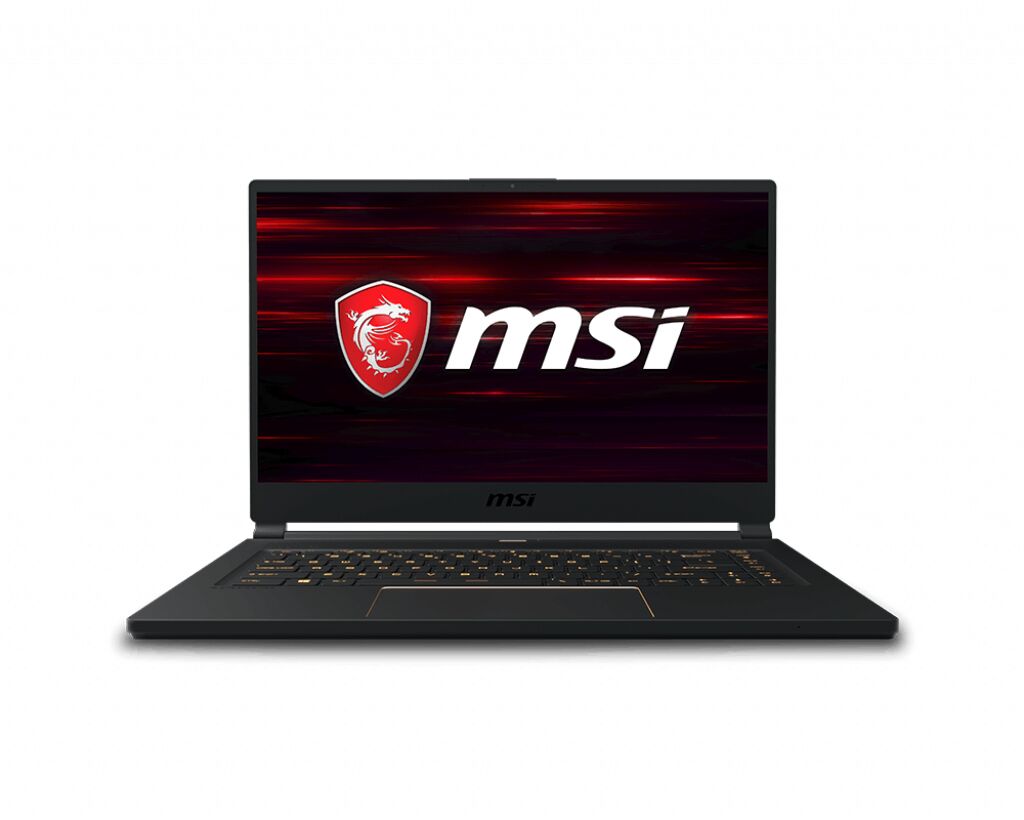




The MSI GS75 9SE-685FR Stealth gaming laptop supports DDR4-SDRAM memory upgrades with two SO-DIMM slots available for expansion. The maximum supported RAM capacity is 64 GB, with compatible memory operating at 2666 MHz frequency. Memory specifications indicate SO-DIMM form factor modules are required for upgrades on this MSI Gaming GS series model.
Memory Upgrade Specifications
| Specification | Value |
|---|---|
| Memory slots | 2x SO-DIMM |
| Form factor | SO-DIMM |
| Memory type | DDR4-SDRAM |
| Frequency | 2666 MHz |
| Maximum RAM | 64 GB |
| Voltage | 1.2V |
| Number of pins | 260-pin |
| Interface | PC4 |
| PC Speed Rating | PC4-2666 (PC4-21328) |
| Bandwidth | 21.3 GB/s |
| Laptop Release date | 11 November 2019 |
Additional Notes
- The MSI GS75 9SE-685FR Stealth supports dual-channel memory architecture through its 2 SO-DIMM slots, enabling theoretical bandwidth up to 42.6 GB/s when both channels operate simultaneously.
- Upgrading to the 64 GB ceiling requires 2 modules of 32 GB each, which may limit vendor options compared to more common 16 GB configurations.
- The 2666 MHz frequency specification indicates compatibility with Intel 9th generation mobile processors, which natively support this speed without overclocking.
- Single-channel operation, when only one slot is populated, reduces memory bandwidth by approximately 50 percent, potentially creating bottlenecks in GPU-intensive applications despite dedicated graphics capabilities.
- Modules rated above 2666 MHz will automatically downclock to match the system's maximum supported frequency, offering no performance advantage.
- SO-DIMM physical dimensions measure 67.6 mm in length versus desktop DIMM modules at 133.35 mm, making standard desktop RAM mechanically incompatible.
- Access to memory slots typically requires bottom panel removal, though exact service procedures vary by chassis revision and may affect thermal paste integrity if improper disassembly occurs.
- Mixing modules with different latencies forces the system to operate all memory at the slowest timing configuration present, potentially degrading performance below specifications.
- DDR4 operates at 1.2 volts standard, with lower power consumption than DDR3 equivalents, contributing to thermal management in the slim chassis design.
- Non-ECC unbuffered modules are required, as ECC or registered memory types lack support in consumer mobile platforms and will fail POST checks.