MSI Gaming GS75 9SE-487CZ Stealth RAM upgrade specifications
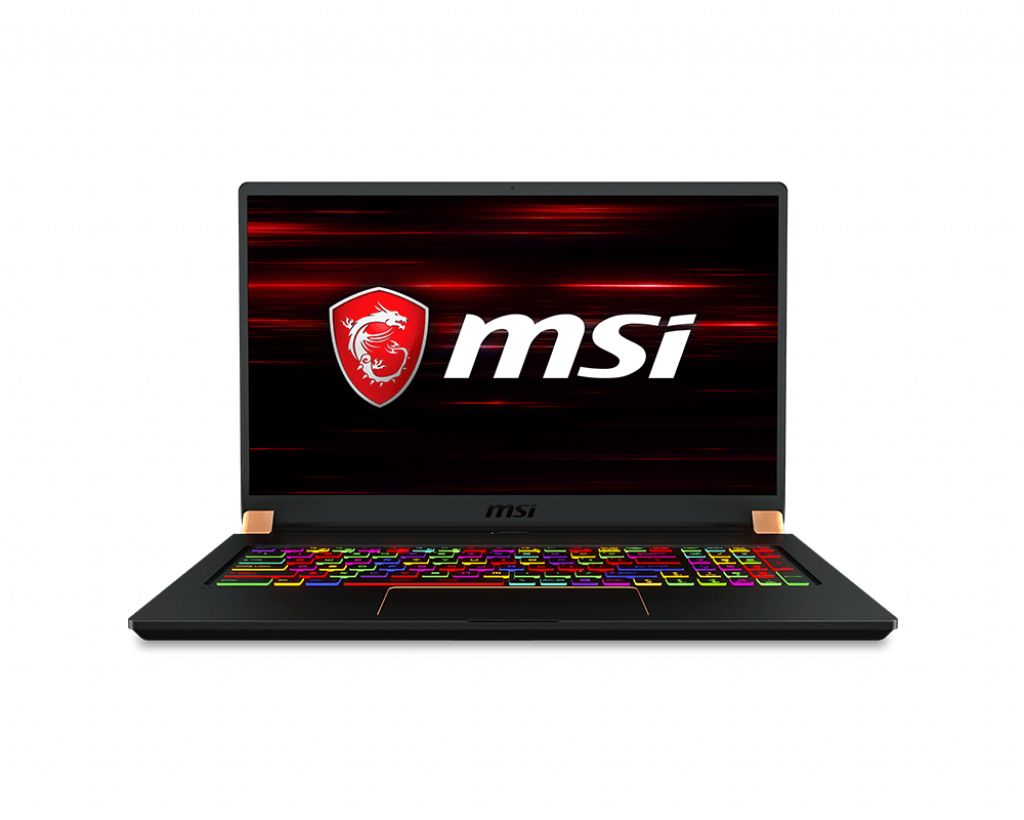
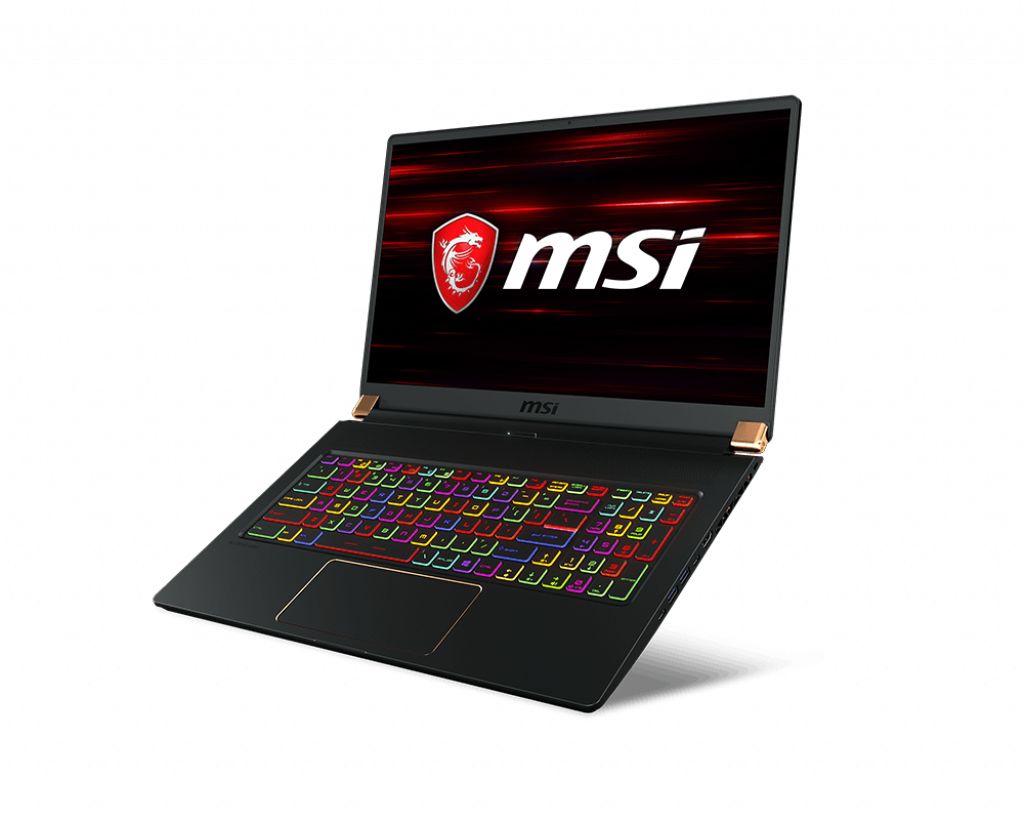
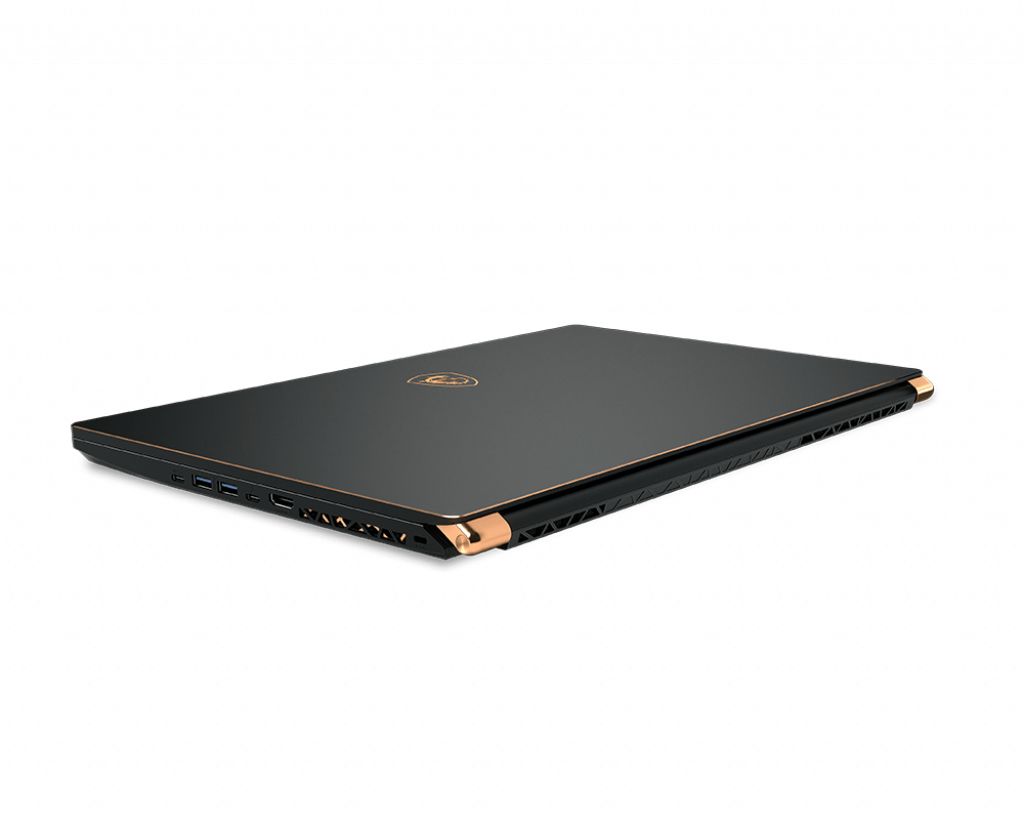
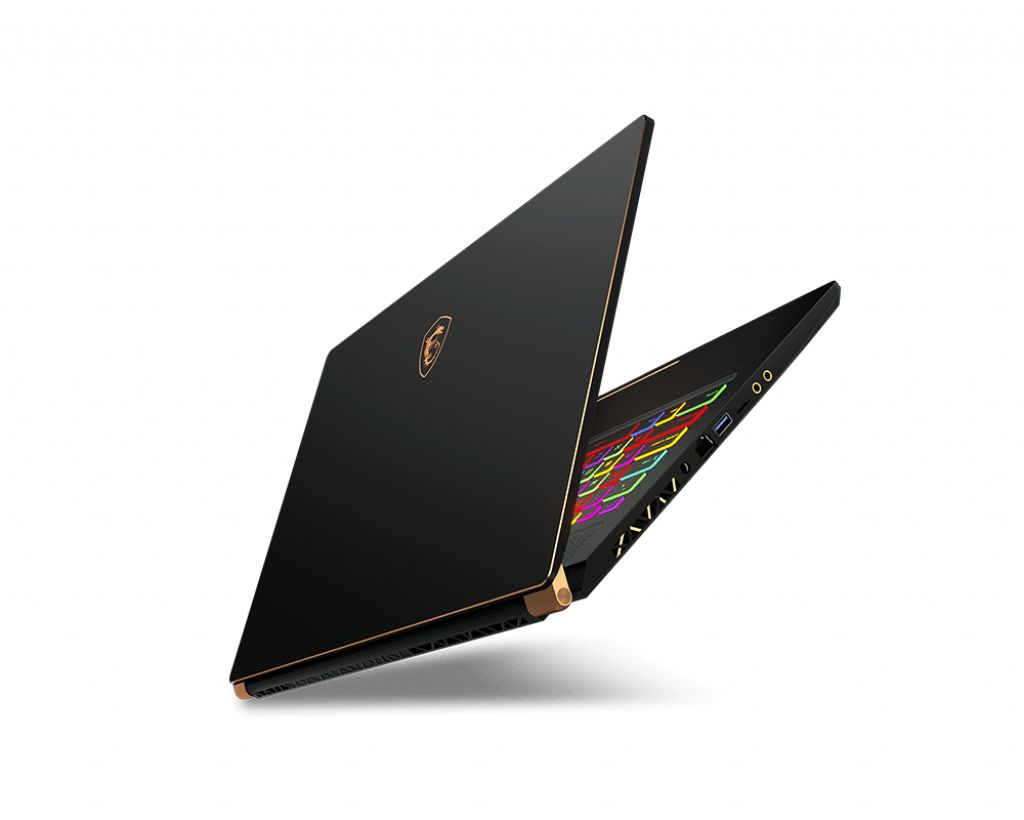
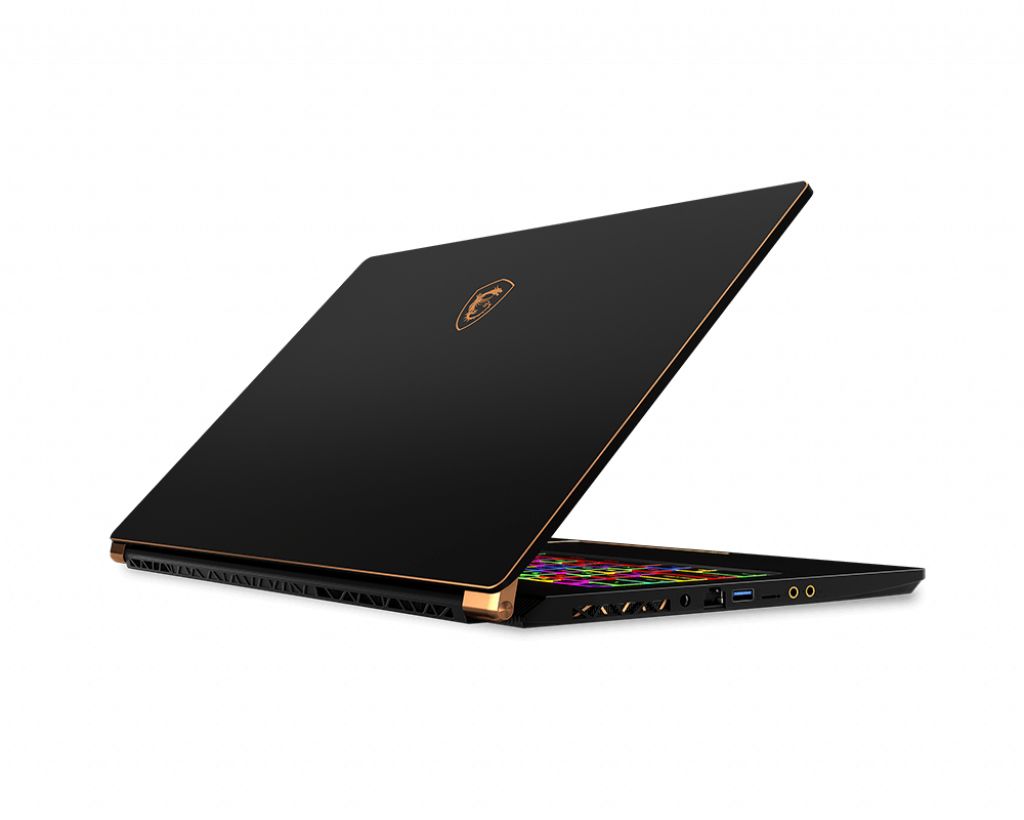
The MSI GS75 9SE-487CZ Stealth gaming laptop features DDR4-SDRAM memory upgrade capabilities with 2x SO-DIMM slots supporting maximum RAM capacity of 64 GB. Compatible memory modules operate at 2666 MHz frequency. Specifications indicate the GS Series device accommodates SO-DIMM form factor modules for memory expansion. The MSI Gaming family model supports DDR4 memory specifications, enabling users to upgrade from factory configurations to maximum supported capacity specifications.
Memory Upgrade Specifications
| Specification | Value |
|---|---|
| Memory slots | 2x SO-DIMM |
| Form factor | SO-DIMM |
| Memory type | DDR4-SDRAM |
| Frequency | 2666 MHz |
| Maximum RAM | 64 GB |
| Voltage | 1.2V |
| Number of pins | 260-pin |
| Interface | PC4 |
| PC Speed Rating | PC4-2666 (PC4-21328) |
| Bandwidth | 21.3 GB/s |
| Laptop Release date | 25 May 2019 |
Additional Notes
- The MSI GS75 9SE-487CZ Stealth contains 2 SO-DIMM slots operating in dual-channel configuration, which means both slots must be populated to achieve rated memory bandwidth; single-slot population results in significant performance degradation for memory-intensive applications.
- DDR4-2666 MHz frequency represents a 9th-generation Intel platform specification; DDR4-3000 MHz or faster modules will downclock to 2666 MHz by JEDEC default, negating any speed premium paid for higher-frequency memory.
- Upgrade ceiling of 64 GB total capacity requires 32 GB SO-DIMM modules, which became available after this platform's manufacture; original configurations likely contained 8 GB or 16 GB modules per slot, creating asymmetric capacity scenarios if mixed with new components.
- SO-DIMM socket access typically requires removal of the bottom service panel and may necessitate disconnection of the battery connector; reinstallation demands careful seating pressure to avoid bent pins or incomplete contact, which presents latency issues rather than immediate failure detection.
- BIOS settings offer limited memory timing control on this mobile gaming platform; XMP/DOCP profiles may not function as intended for third-party DDR4 modules, requiring manual timing entry or operation at standard JEDEC specifications.
- The 2-slot architecture prevents phased upgrade strategies; transitioning from existing memory to maximum capacity requires outright module replacement rather than incremental additions, creating potential resale or recycling obligations for displaced components.