MSI Gaming GS75 9SE-449FR Stealth RAM upgrade specifications
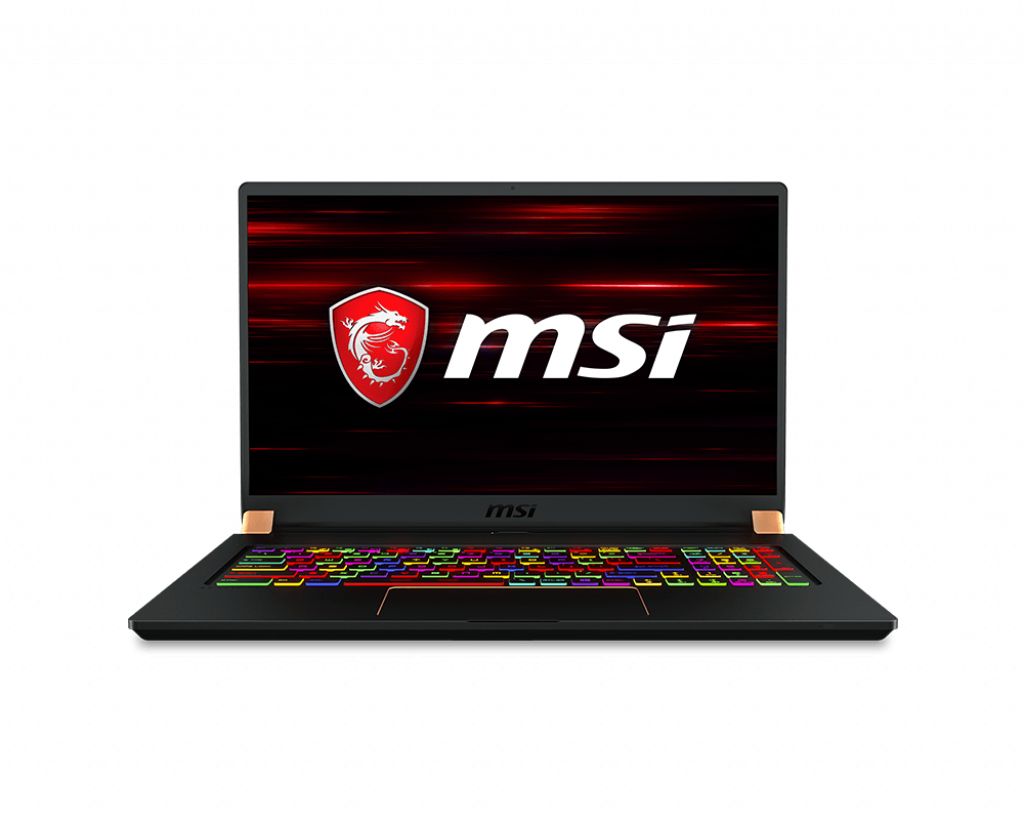
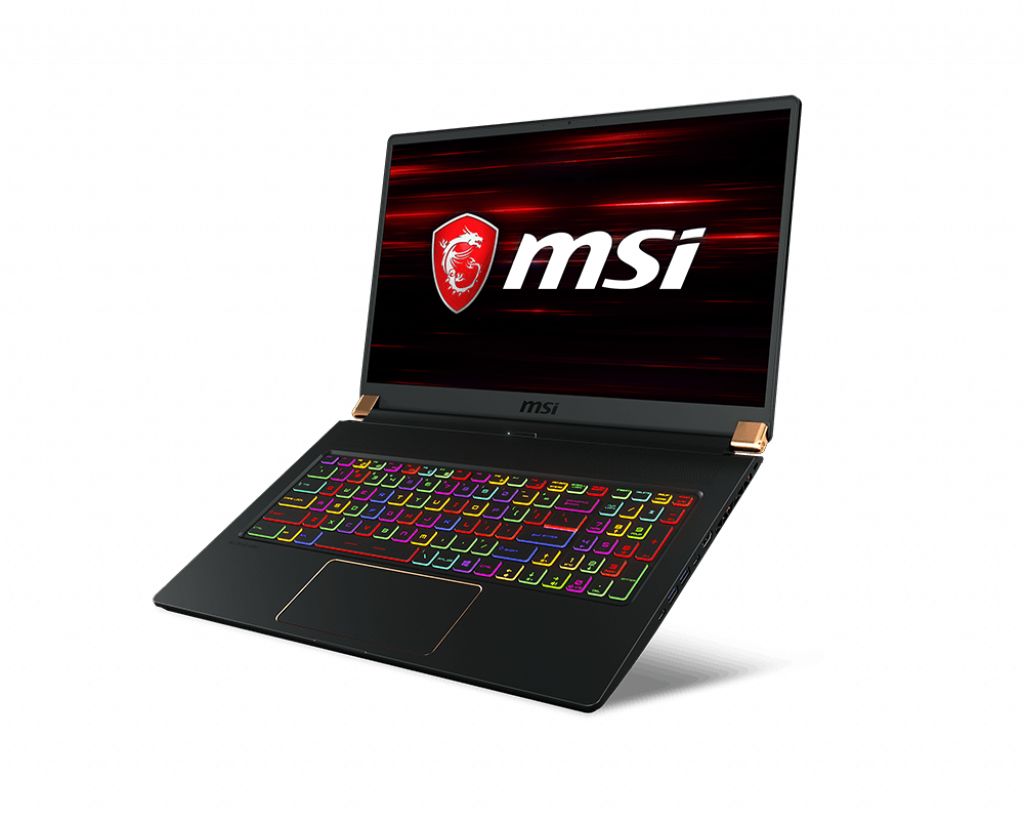
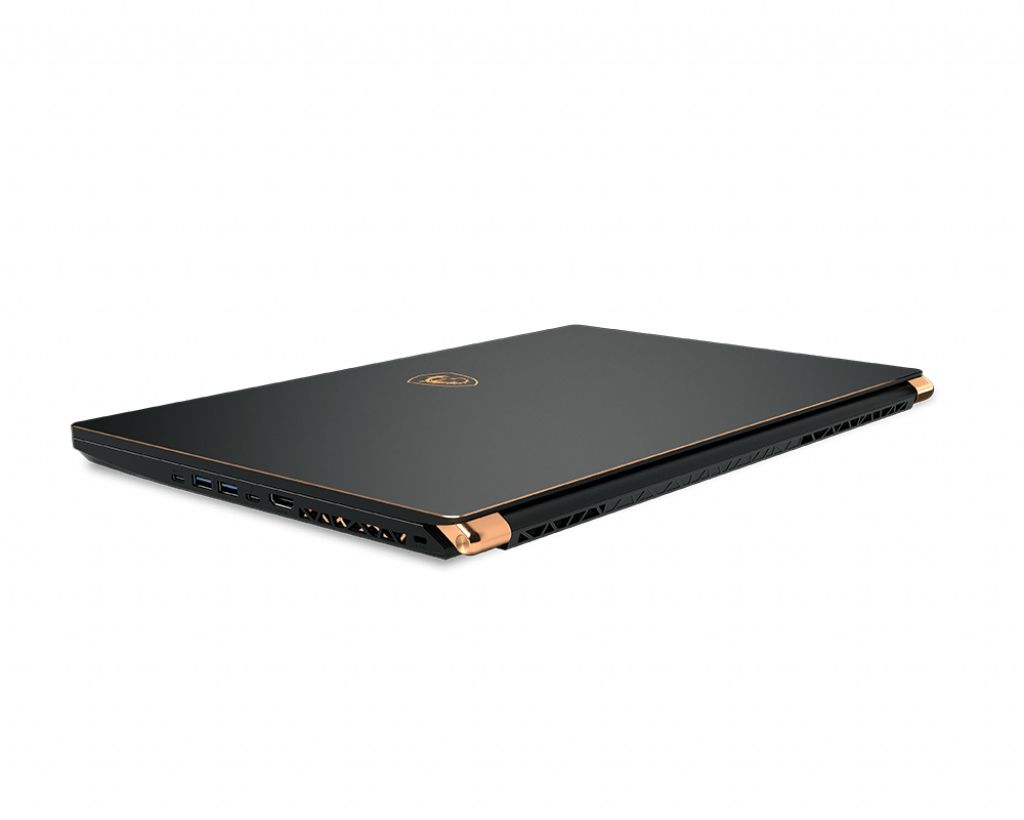

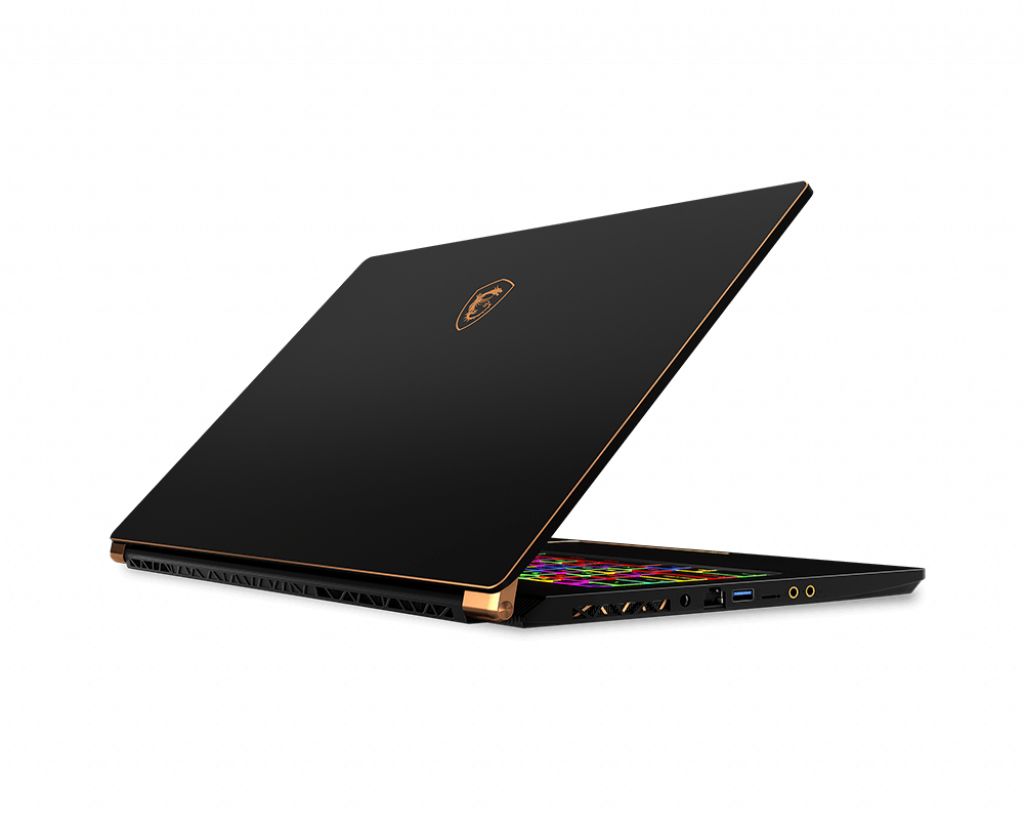
MSI Gaming GS series GS75 9SE-449FR Stealth laptop features two SO-DIMM memory slots supporting DDR4-SDRAM modules at 2666 MHz frequency. Maximum RAM capacity reaches 64 GB through compatible memory upgrade modules. Current specifications accommodate standard SO-DIMM form factor memory components. Upgrade options allow expansion from existing memory configuration to maximum supported capacity of 64 GB total. DDR4-SDRAM technology provides compatible memory specifications for this MSI gaming laptop model.
Memory Upgrade Specifications
| Specification | Value |
|---|---|
| Memory slots | 2x SO-DIMM |
| Form factor | SO-DIMM |
| Memory type | DDR4-SDRAM |
| Frequency | 2666 MHz |
| Maximum RAM | 64 GB |
| Voltage | 1.2V |
| Number of pins | 260-pin |
| Interface | PC4 |
| PC Speed Rating | PC4-2666 (PC4-21328) |
| Bandwidth | 21.3 GB/s |
| Laptop Release date | 13 May 2019 |
Additional Notes
- The MSI GS75 9SE-449FR Stealth uses laptop-class SO-DIMM modules rather than desktop DIMMs, restricting upgrade sourcing to mobile-specific memory stock and eliminating cross-compatibility with standard tower configurations.
- DDR4-2666 MHz specification indicates 9th-generation Intel processor pairing; newer DDR4-3200 or faster modules will throttle to 2666 MHz in this system, making premium-speed RAM purchases economically inefficient for this platform.
- Dual SO-DIMM architecture means each module slot carries half the thermal and electrical load; single-slot upgrades to 32 GB will create asymmetric capacity that reduces sustained performance under simultaneous multi-core workloads compared to matched-pair configurations.
- 64 GB total ceiling requires both slots populated with 32 GB modules; upgrading beyond the factory configuration demands removal and replacement of existing memory rather than population of empty slots, reducing the margin for component damage during installation.
- SO-DIMM form factor occupies constrained real estate beneath the keyboard deck; thermal management around memory modules may be limited by heatsink geometry, affecting sustained-boost behavior if aftermarket modules feature taller heat spreaders than OEM components.
- Memory frequency locked at 2666 MHz prevents BIOS-level overclocking adjustments; performance ceiling remains fixed regardless of upgraded module specifications or timings, eliminating frequency-based tuning as a optimization avenue.