MSI Gaming GS75 9SE-684FR Stealth RAM upgrade specifications
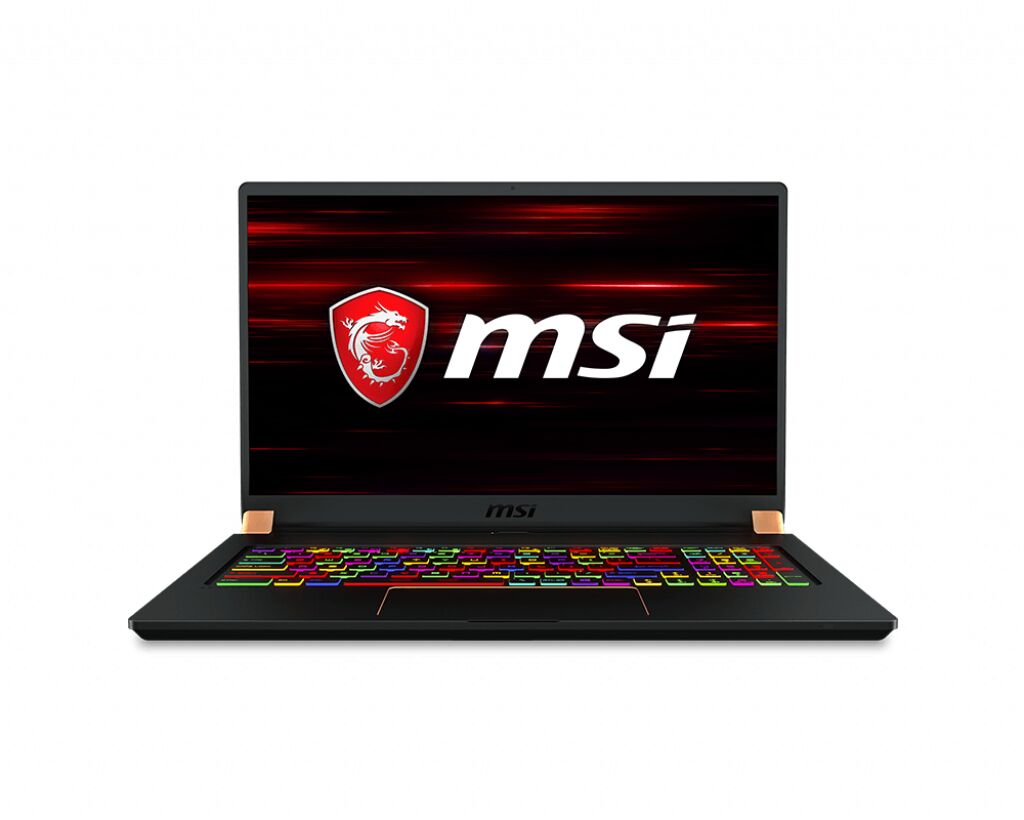
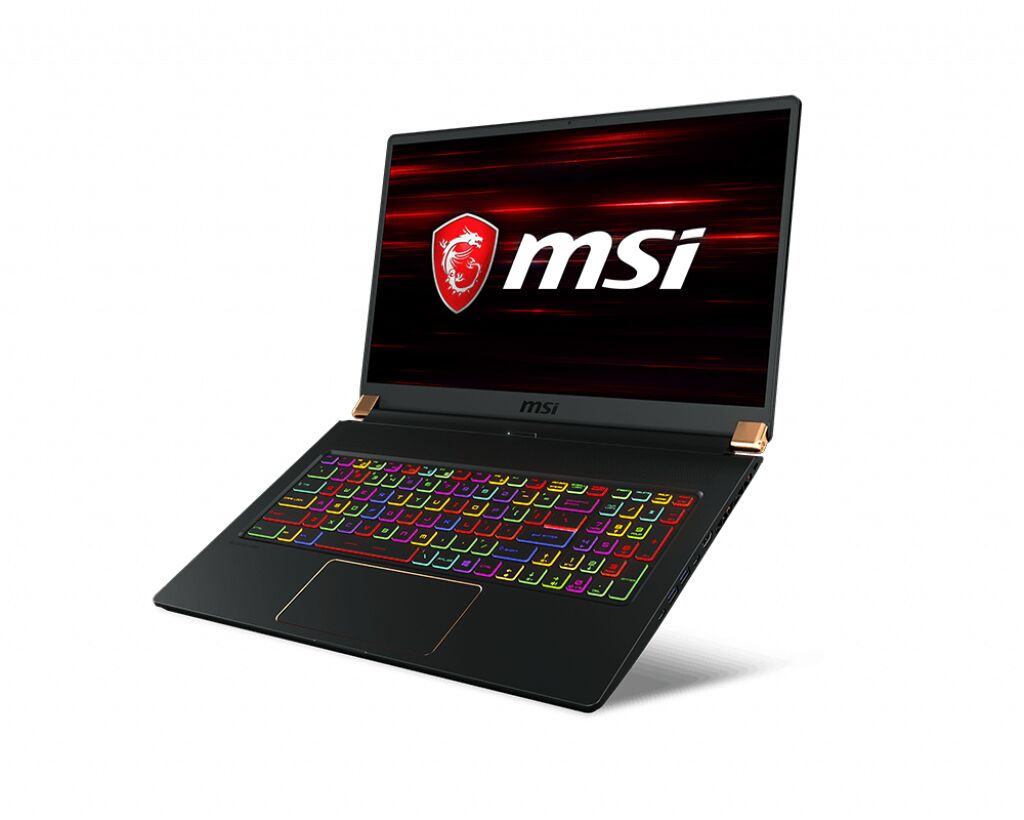
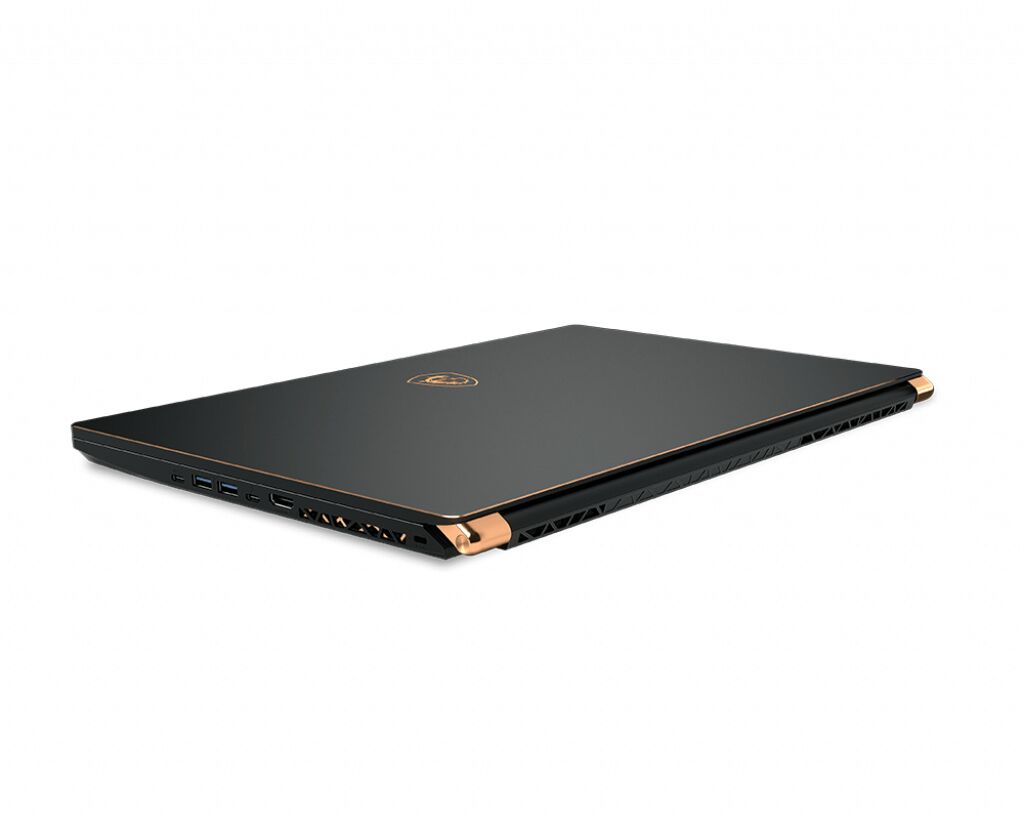

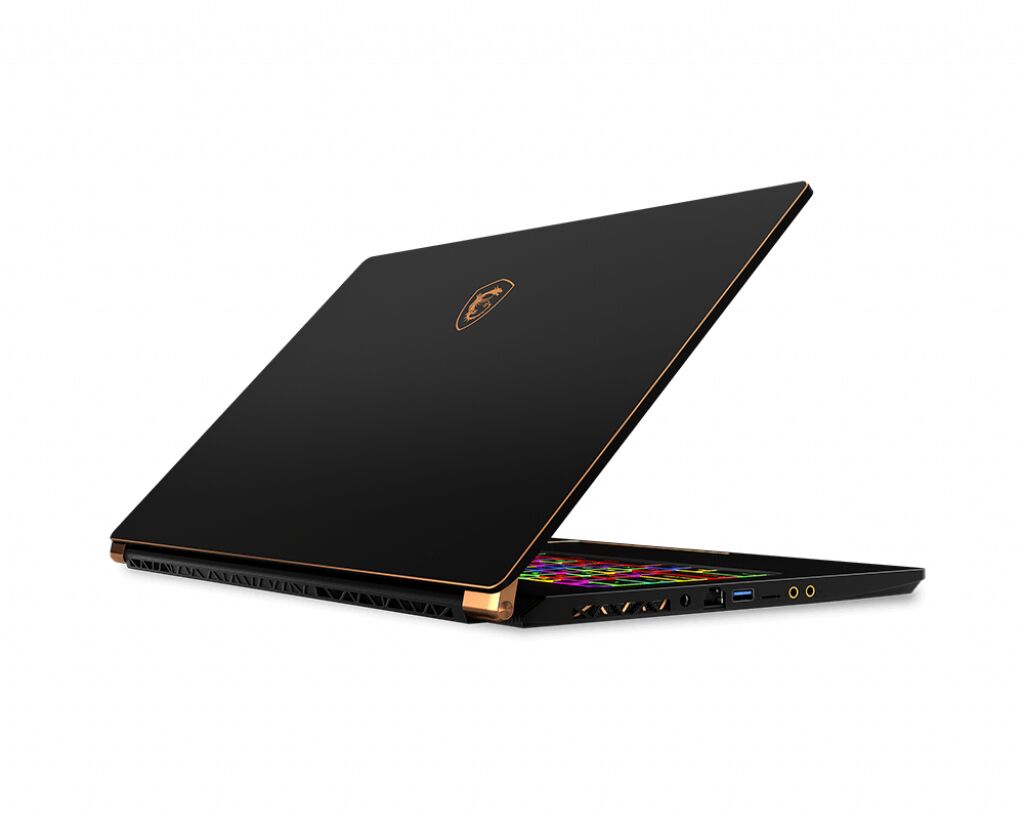
The MSI GS75 9SE-684FR Stealth gaming laptop features DDR4-SDRAM memory with two SO-DIMM slots supporting maximum capacity of 64 GB. The upgrade specifications indicate compatible memory modules operate at 2666 MHz frequency. The GS series laptop accommodates DDR4 SO-DIMM form factor upgrades, enabling users to expand memory from factory configurations up to the maximum 64 GB capacity across both available slots. Current memory specifications and upgrade options for the MSI Gaming GS75 9SE-684FR Stealth model are documented with full compatibility details for RAM replacement and expansion.
Memory Upgrade Specifications
| Specification | Value |
|---|---|
| Memory slots | 2x SO-DIMM |
| Form factor | SO-DIMM |
| Memory type | DDR4-SDRAM |
| Frequency | 2666 MHz |
| Maximum RAM | 64 GB |
| Voltage | 1.2V |
| Number of pins | 260-pin |
| Interface | PC4 |
| PC Speed Rating | PC4-2666 (PC4-21328) |
| Bandwidth | 21.3 GB/s |
| Laptop Release date | 08 November 2019 |
Additional Notes
- The MSI GS75 9SE-684FR Stealth supports dual-channel memory architecture, enabling theoretical bandwidth of 42.6 GB/s when both slots are populated with matched modules.
- Installation requires desktop-style SO-DIMM modules rather than proprietary form factors, simplifying third-party sourcing from standard retail channels.
- The 64 GB ceiling indicates Intel 9th generation mobile platform limitations, as earlier generations typically capped at 32 GB per controller.
- Mixing modules of different capacities or speeds will force all memory to operate at the lowest common denominator frequency, potentially downclocking faster modules to 2666 MHz.
- Single-channel configurations using only one populated slot will halve memory bandwidth, creating potential bottlenecks in GPU-intensive workloads despite adequate total capacity.
- The specified frequency lacks JEDEC standard XMP profile support common in desktop platforms, limiting overclocking opportunities beyond manufacturer specifications.
- Thermal constraints in thin gaming chassis may require modules with lower-profile heat spreaders to avoid contact with internal cooling assemblies or keyboard backplates.
- CAS latency specifications typically range from CL19 to CL22 at this frequency tier, with tighter timings providing marginal performance gains in latency-sensitive applications.
- Warranty preservation requires avoiding disassembly of permanently sealed bottom panels, though many gaming laptops provide dedicated service doors for user-accessible memory bays.
- ECC memory compatibility is typically absent in consumer gaming platforms, restricting module selection to non-parity unbuffered types.