MSI Gaming GS75 Stealth-479 RAM upgrade specifications
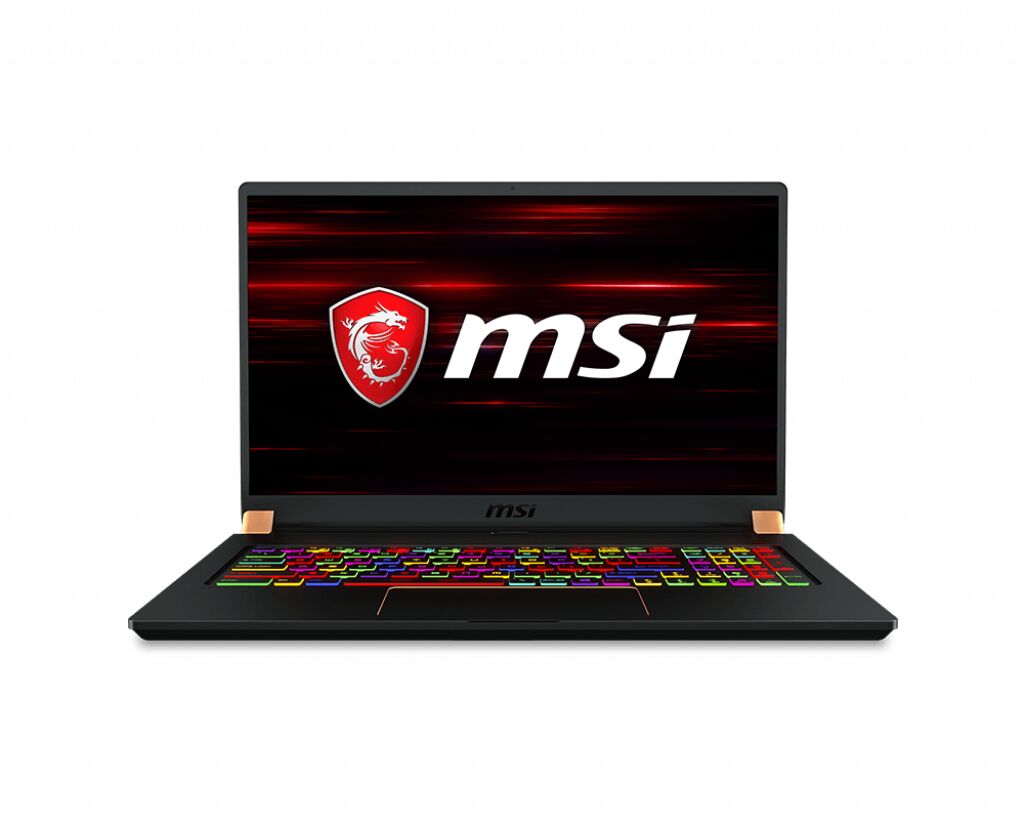

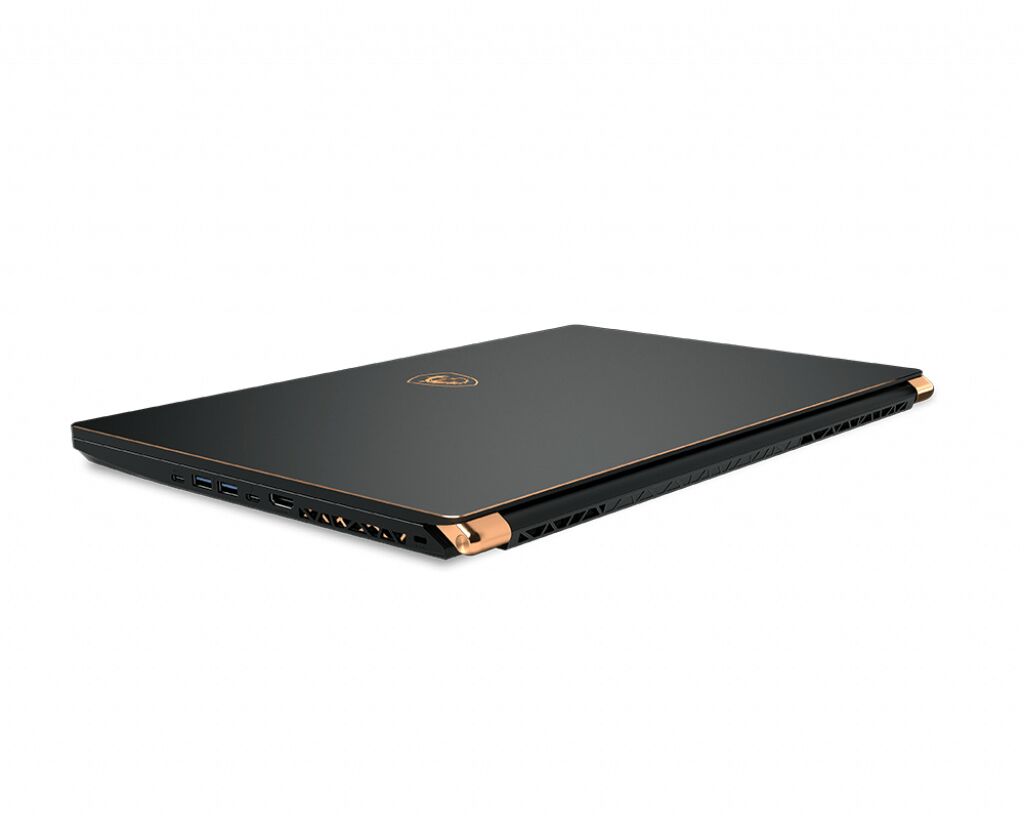

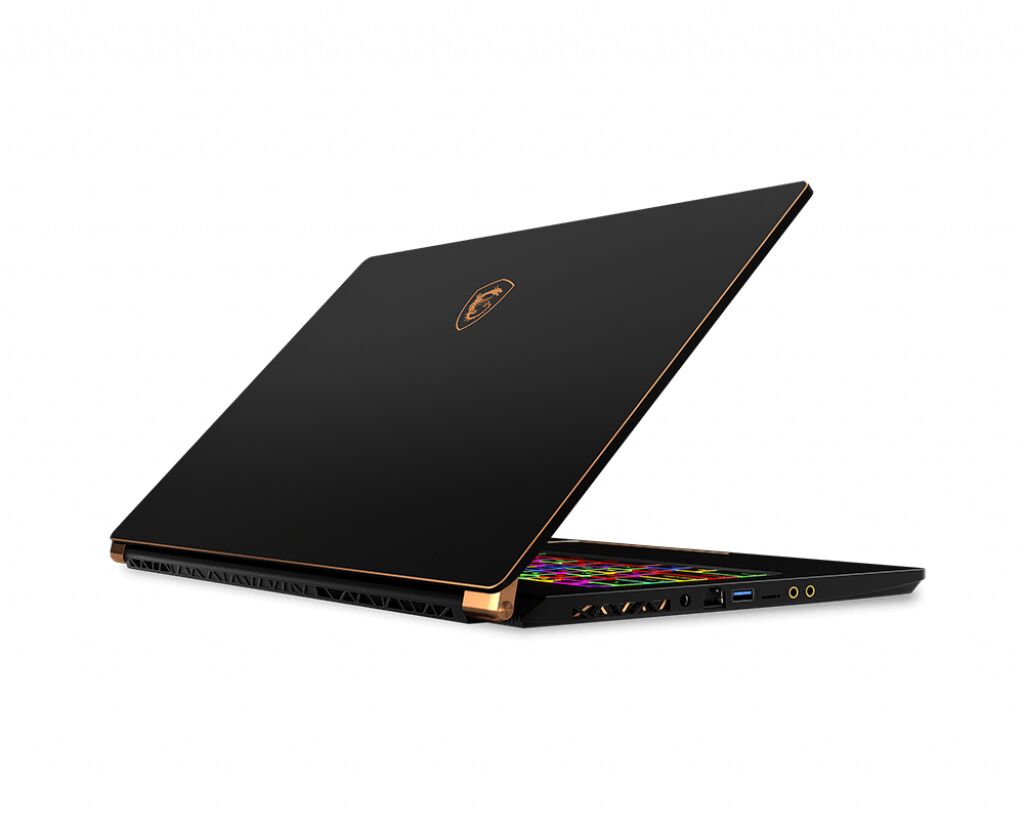
MSI GS75 Stealth-479 gaming laptop supports DDR4-SDRAM memory upgrades through two SO-DIMM slots. Maximum RAM capacity reaches 64 GB total. Compatible memory operates at 2666 MHz frequency. Upgrade specifications indicate SO-DIMM form factor modules for this Gaming Series model. Current memory configuration and available slots determine upgrade capacity options for the GS75 Stealth-479.
Memory Upgrade Specifications
| Specification | Value |
|---|---|
| Memory slots | 2x SO-DIMM |
| Form factor | SO-DIMM |
| Memory type | DDR4-SDRAM |
| Frequency | 2666 MHz |
| Maximum RAM | 64 GB |
| Voltage | 1.2V |
| Number of pins | 260-pin |
| Interface | PC4 |
| PC Speed Rating | PC4-2666 (PC4-21328) |
| Bandwidth | 21.3 GB/s |
| Laptop Release date | 20 April 2019 |
Additional Notes
- The MSI GS75 Stealth-479 accommodates only 2 SO-DIMM slots, restricting upgrade paths to a maximum of 2 modules regardless of capacity; asymmetrical configurations (mixing different capacities) will function but reduce performance symmetry and dual-channel efficiency.
- DDR4-2666 MHz specification indicates the memory controller operates at this frequency ceiling; installing faster DDR4 modules (3000+ MHz) will downclock to 2666 MHz, eliminating any performance premium from higher-speed components and wasting upgrade investment.
- SO-DIMM form factor requires laptop-specific modules; desktop DDR4 DIMM sticks are physically incompatible due to length and notch positioning, making accidental incompatible purchases likely if sourcing from general retailers.
- 64 GB maximum capacity represents the BIOS/chipset limitation rather than slot limitation; reaching this ceiling requires 2x 32 GB modules, which were significantly more expensive at the time of this model's production and may exhibit reduced compatibility with certain BIOS revisions.
- The 2-slot architecture means any RAM upgrade necessitates removing at least one existing module; if the system shipped with single-channel or mismatched memory, the upgrade path requires replacing rather than supplementing existing modules to achieve dual-channel operation.
- Memory bandwidth potential maxes at approximately 21.3 GB/s (2666 MHz x 64-bit), creating a potential I/O bottleneck for applications performing sustained memory-intensive operations, particularly in workloads requiring rapid data transfer between CPU and RAM.