MSI Gaming GS759SF-277 Stealth RAM upgrade specifications
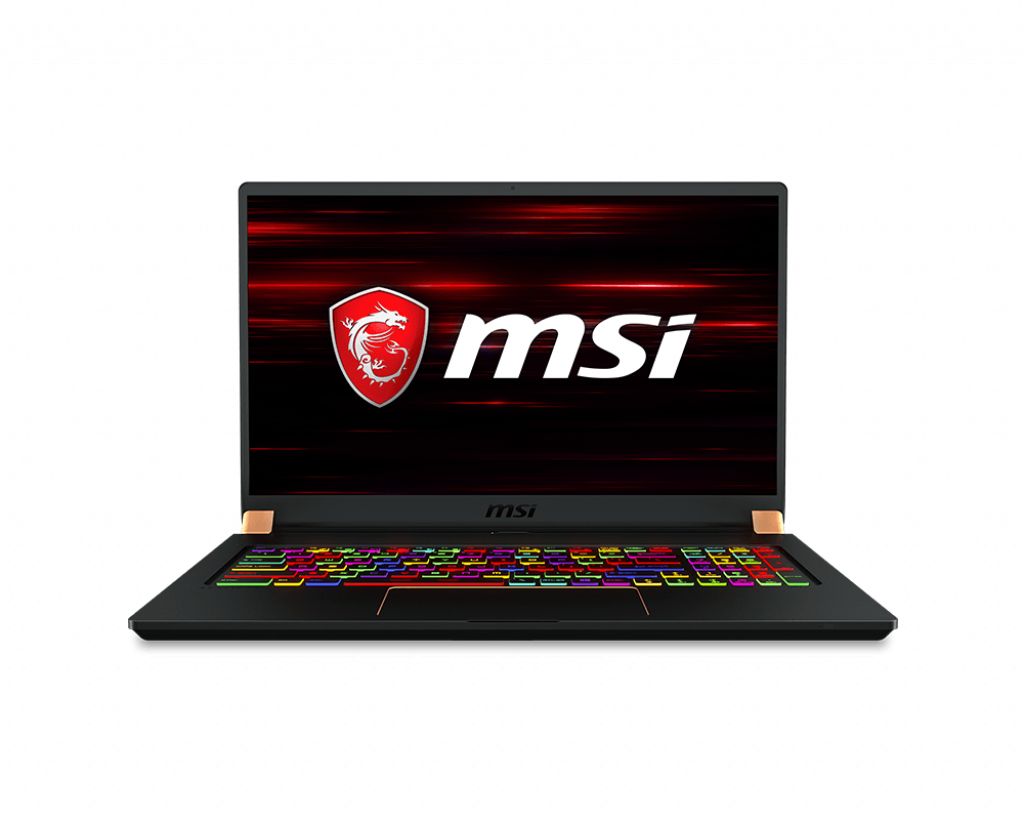
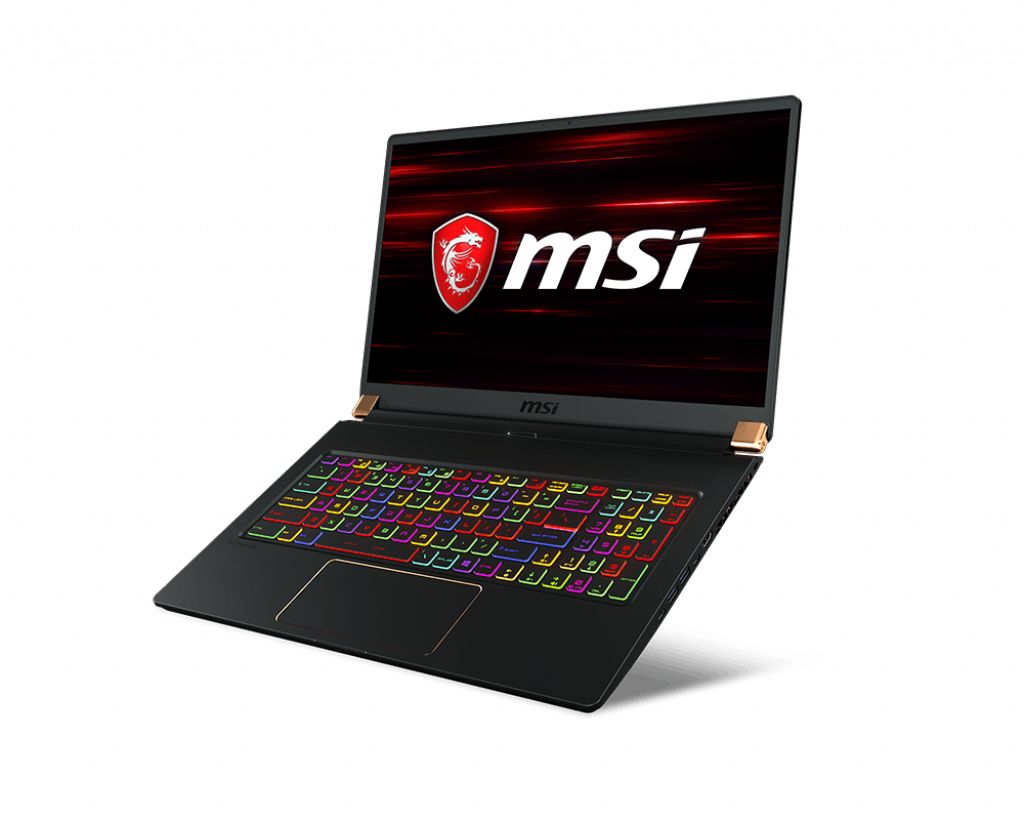
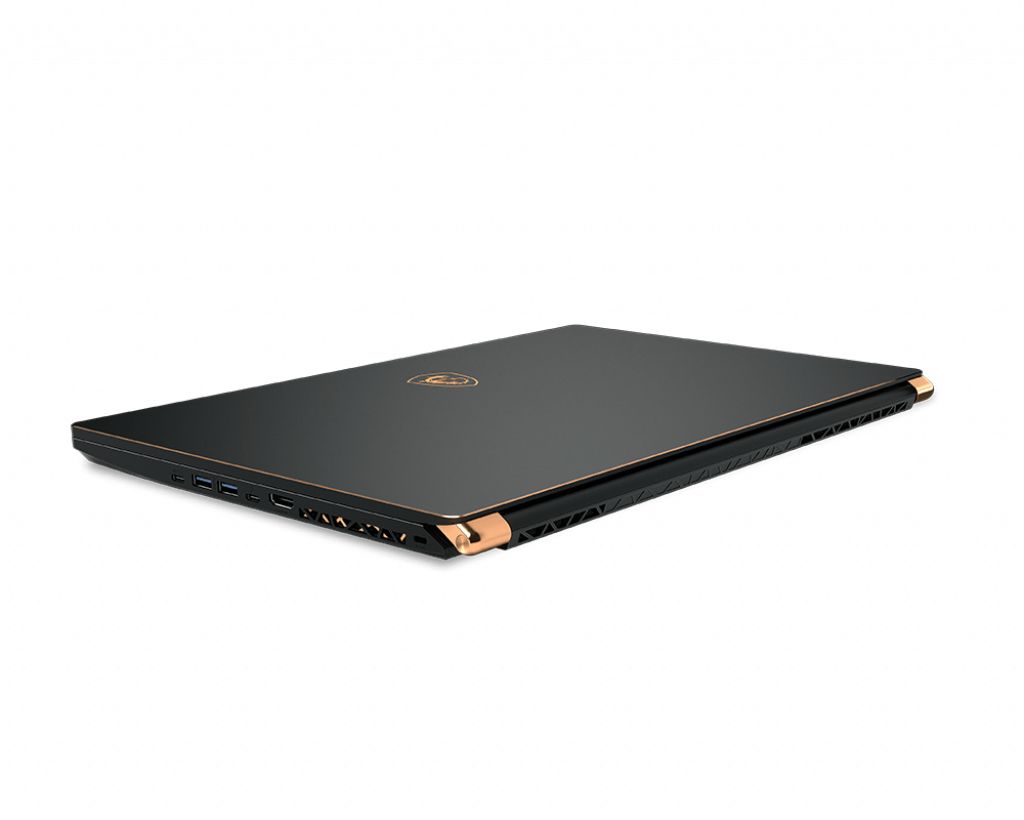

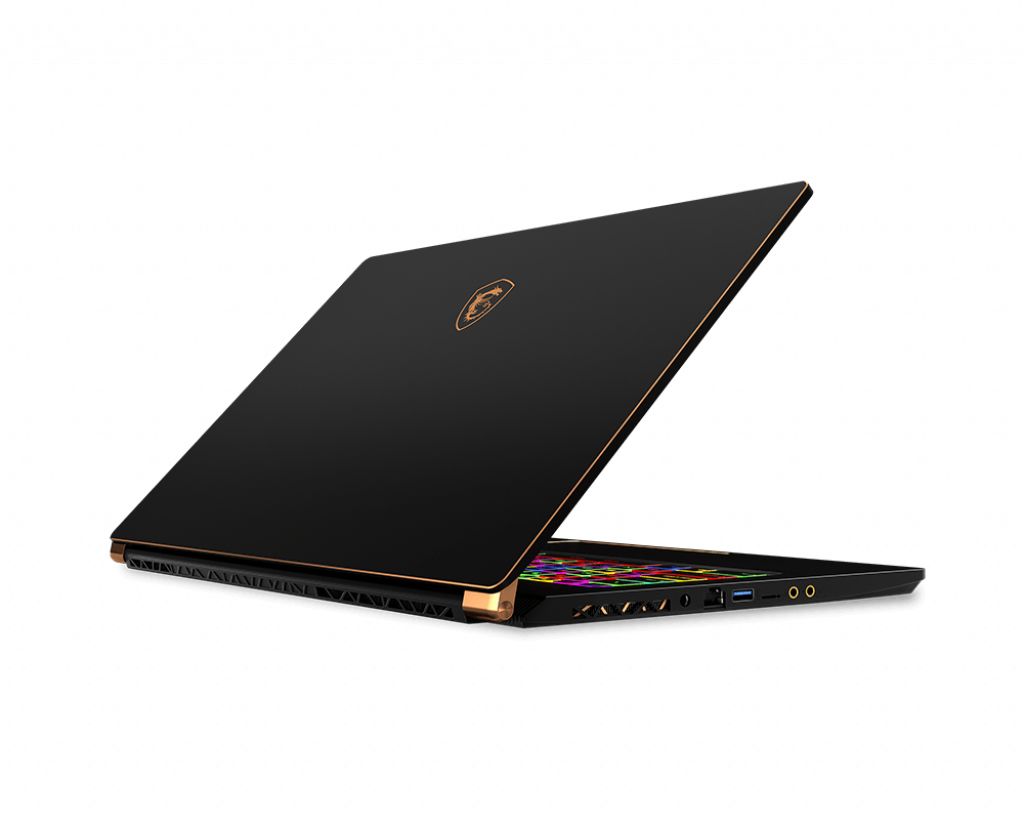
MSI GS759SF-277 Stealth gaming laptop supports DDR4-SDRAM memory upgrades with 2x SO-DIMM slots. Maximum RAM capacity reaches 64 GB. Compatible memory modules operate at 2666 MHz frequency using SO-DIMM form factor. Specifications enable memory upgrade configurations up to the maximum capacity through compatible DDR4 modules installed in available slots.
Memory Upgrade Specifications
| Specification | Value |
|---|---|
| Memory slots | 2x SO-DIMM |
| Form factor | SO-DIMM |
| Memory type | DDR4-SDRAM |
| Frequency | 2666 MHz |
| Maximum RAM | 64 GB |
| Voltage | 1.2V |
| Number of pins | 260-pin |
| Interface | PC4 |
| PC Speed Rating | PC4-2666 (PC4-21328) |
| Bandwidth | 21.3 GB/s |
| Laptop Release date | 05 May 2019 |
Additional Notes
- The MSI GS759SF-277 Stealth contains 2 SO-DIMM slots that operate at 2666 MHz, establishing a bandwidth ceiling of approximately 42.6 GB/s per channel. Any DDR4 modules installed above this frequency will throttle to 2666 MHz, negating performance gains from higher-speed memory kits.
- SO-DIMM form factor restricts upgrade options to laptop-specific memory modules. Standard desktop DDR4 DIMMs are physically incompatible and will not seat in the motherboard slots, requiring sourcing from laptop-grade memory inventories.
- A 64 GB maximum capacity ceiling indicates dual-rank or quad-rank SO-DIMM support, likely accommodating 2x 32 GB modules. Single-rank 16 GB modules may not reach the theoretical maximum if the chipset enforces symmetric dual-channel configuration requirements.
- The 2666 MHz specification reflects a potential manufacturing or BIOS limitation rather than DDR4 architectural constraint. This frequency falls below standard DDR4-3200 performance tiers, suggesting the system memory controller or firmware prioritizes stability over throughput in this gaming platform.
- Warranty preservation requires verifying that the system manufacturer pre-approves third-party SO-DIMM upgrades before installation. Some OEM configurations enforce proprietary memory whitelisting that flags non-approved modules during POST, generating error codes or disabling memory.