MSI Gaming GS75 Stealth 9SG-267E RAM upgrade specifications


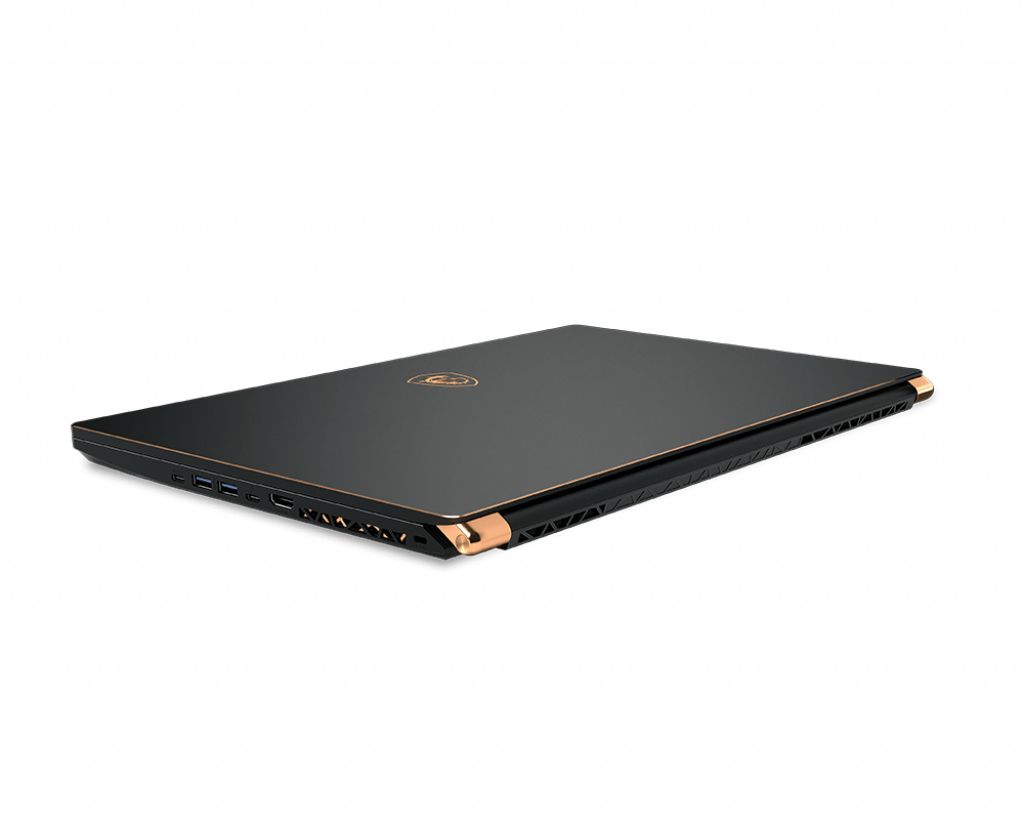


The MSI GS75 Stealth 9SG-267E gaming laptop features DDR4-SDRAM memory upgrade specifications with two SO-DIMM slots supporting maximum capacity of 64 GB RAM. The system operates at 2666 MHz frequency. Compatible memory modules utilize the SO-DIMM form factor. Upgrade specifications enable expansion of the native memory configuration to achieve the maximum 64 GB capacity through compatible DDR4-SDRAM modules installed in available slots.
Memory Upgrade Specifications
| Specification | Value |
|---|---|
| Memory slots | 2x SO-DIMM |
| Form factor | SO-DIMM |
| Memory type | DDR4-SDRAM |
| Frequency | 2666 MHz |
| Maximum RAM | 64 GB |
| Voltage | 1.2V |
| Number of pins | 260-pin |
| Interface | PC4 |
| PC Speed Rating | PC4-2666 (PC4-21328) |
| Bandwidth | 21.3 GB/s |
| Laptop Release date | 19 April 2019 |
Additional Notes
- The 2666 MHz frequency specification indicates this MSI GS75 Stealth 9SG-267E operates at JEDEC standard speeds rather than XMP profiles, which means aftermarket modules rated higher will downclock to match the system's supported frequency.
- DDR4-2666 provides 21.3 GB/s theoretical bandwidth per channel, resulting in approximately 42.6 GB/s in dual-channel configuration when both slots are populated with matched modules.
- The 64 GB ceiling requires 32 GB modules in both slots, limiting options to high-density single-rank or dual-rank SO-DIMMs that may exhibit slightly higher latency compared to 16 GB configurations.
- Mixing different capacity modules will maintain dual-channel operation only for the matched portion, while the excess capacity on the larger module operates in single-channel mode with reduced bandwidth.
- SO-DIMM installation typically requires complete bottom panel removal on this chassis design, necessitating careful attention to warranty seals if present before accessing the memory compartment.
- Operating voltage for DDR4-2666 modules is standardized at 1.2V, ensuring thermal compatibility with the laptop's cooling solution without requiring voltage adjustments in BIOS.
- Ninth-generation Intel mobile processors in this system officially support up to DDR4-2666, meaning faster modules offer no performance advantage and may cause stability issues if they fail to downclock properly.
- Upgrading from single-channel to dual-channel configuration can improve integrated graphics performance and reduce memory-bound bottlenecks in CPU-intensive tasks by up to 30 percent in specific workloads.
- Non-ECC unbuffered modules are required for consumer mobile platforms, as registered or error-correcting memory types are incompatible with the chipset architecture.
- CAS latency ratings between CL17 and CL19 produce negligible real-world performance differences at this frequency, making absolute latency timings a minor consideration for module selection.