MSI Gaming GS75 Stealth 9SE-271ES RAM upgrade specifications
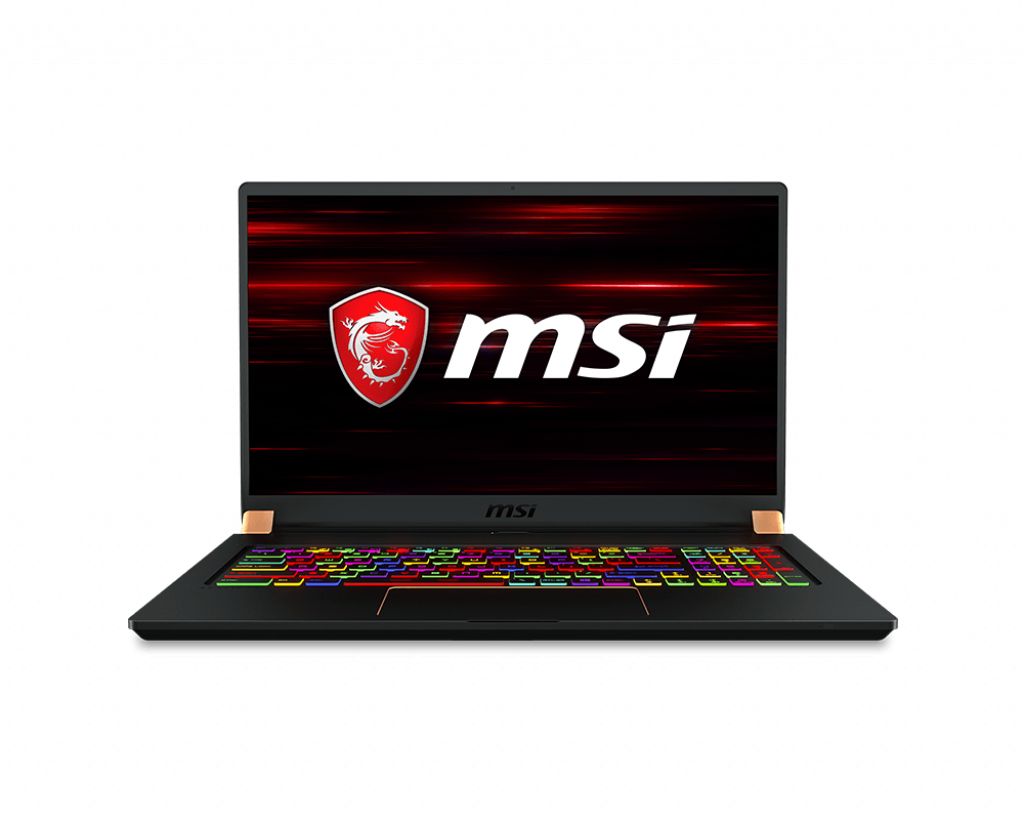
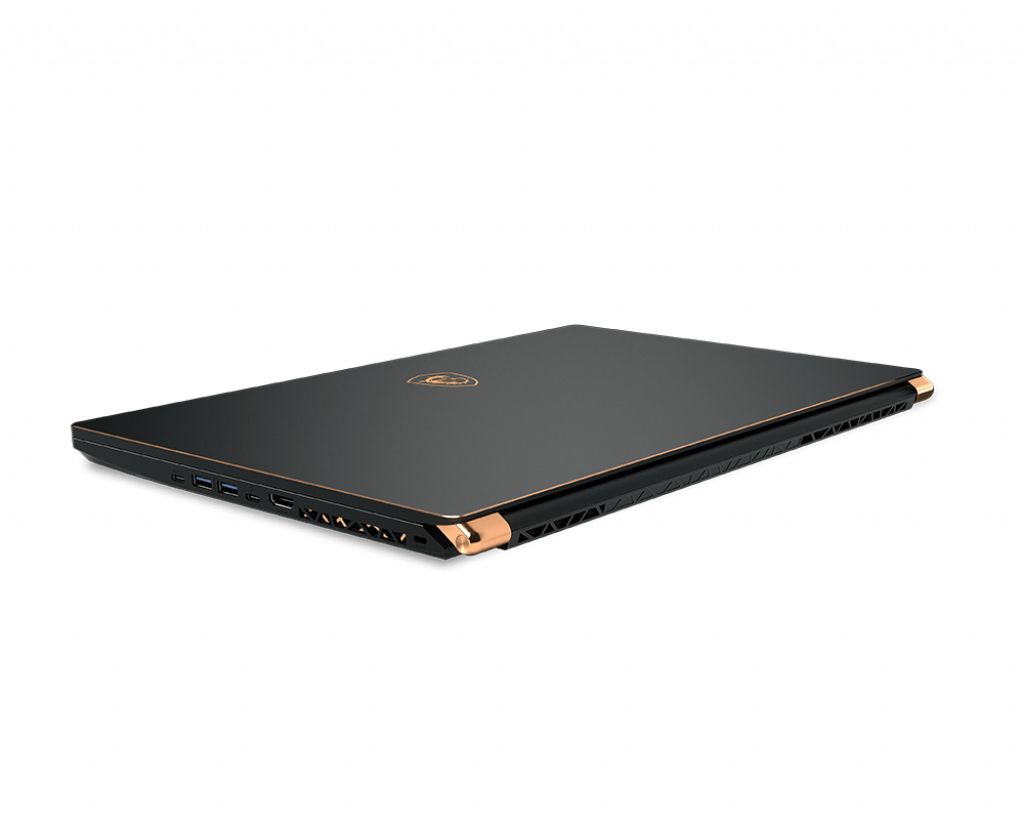



MSI GS75 Stealth 9SE-271ES gaming laptop features DDR4-SDRAM memory upgrade specifications. The system contains 2x SO-DIMM slots supporting DDR4 modules at 2666 MHz frequency. Maximum RAM capacity reaches 64 GB for this GS series model. Compatible memory upgrades utilize SO-DIMM form factor modules. Specifications indicate dual-slot configuration enabling memory expansion to meet performance requirements for gaming applications.
Memory Upgrade Specifications
| Specification | Value |
|---|---|
| Memory slots | 2x SO-DIMM |
| Form factor | SO-DIMM |
| Memory type | DDR4-SDRAM |
| Frequency | 2666 MHz |
| Maximum RAM | 64 GB |
| Voltage | 1.2V |
| Number of pins | 260-pin |
| Interface | PC4 |
| PC Speed Rating | PC4-2666 (PC4-21328) |
| Bandwidth | 21.3 GB/s |
| Laptop Release date | 19 April 2019 |
Additional Notes
- The MSI GS75 Stealth 9SE-271ES utilizes a dual-channel memory architecture that requires paired modules for optimal bandwidth utilization, as single-module configurations will operate in reduced performance mode.
- The 2666 MHz frequency specification indicates compatibility with DDR4-2666, DDR4-2400, and DDR4-2133 modules, though higher-rated memory will downclock to the supported speed regardless of its rated capacity.
- SO-DIMM form factor limits upgrade options to laptop-specific modules, as standard desktop DIMM modules are physically incompatible due to different pin counts and physical dimensions.
- The 64 GB maximum capacity constraint means supported configurations include 2x32 GB or lower density combinations, while 2x48 GB or higher density modules would either fail to operate or be recognized only partially.
- Mixing modules with different capacities across the 2 slots will maintain dual-channel operation but only up to the capacity of the smaller module, with the excess capacity on the larger module reverting to slower single-channel mode.
- JEDEC-standard non-XMP modules ensure immediate compatibility without BIOS configuration, whereas XMP-profiled gaming memory may require manual timing adjustments or operate at base JEDEC speeds.
- The chipset's support for 2666 MHz indicates an Intel 9th generation platform limitation, meaning this represents the maximum officially supported speed without engaging in unsupported overclocking.
- Thermal considerations in this chassis design favor standard-voltage 1.2V DDR4 modules over higher-voltage variants that could contribute to thermal throttling in sustained workloads.
- Access to memory slots typically requires bottom panel removal, and proper grounding procedures are necessary to prevent electrostatic discharge damage during the upgrade process.
- Warranty preservation depends on using manufacturer-approved upgrade procedures, as damage caused during user installation may void coverage even if the modules themselves are compatible.