MSI Gaming GS75 Stealth 10SFS-488FR RAM upgrade specifications
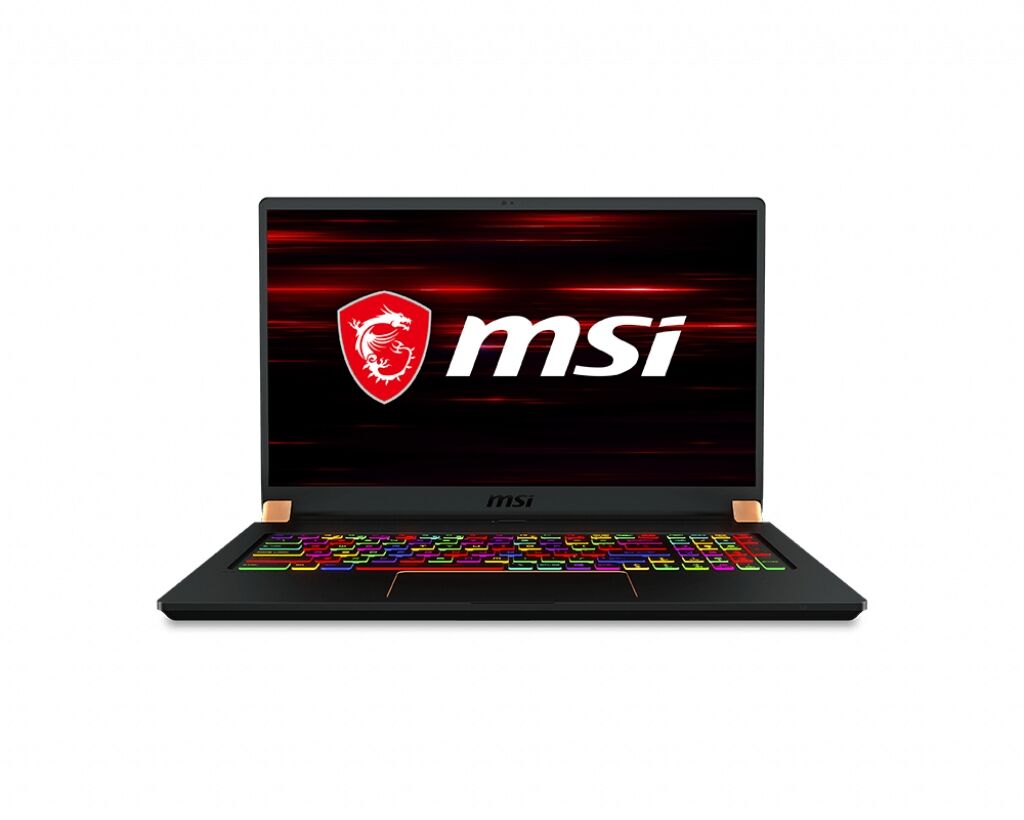
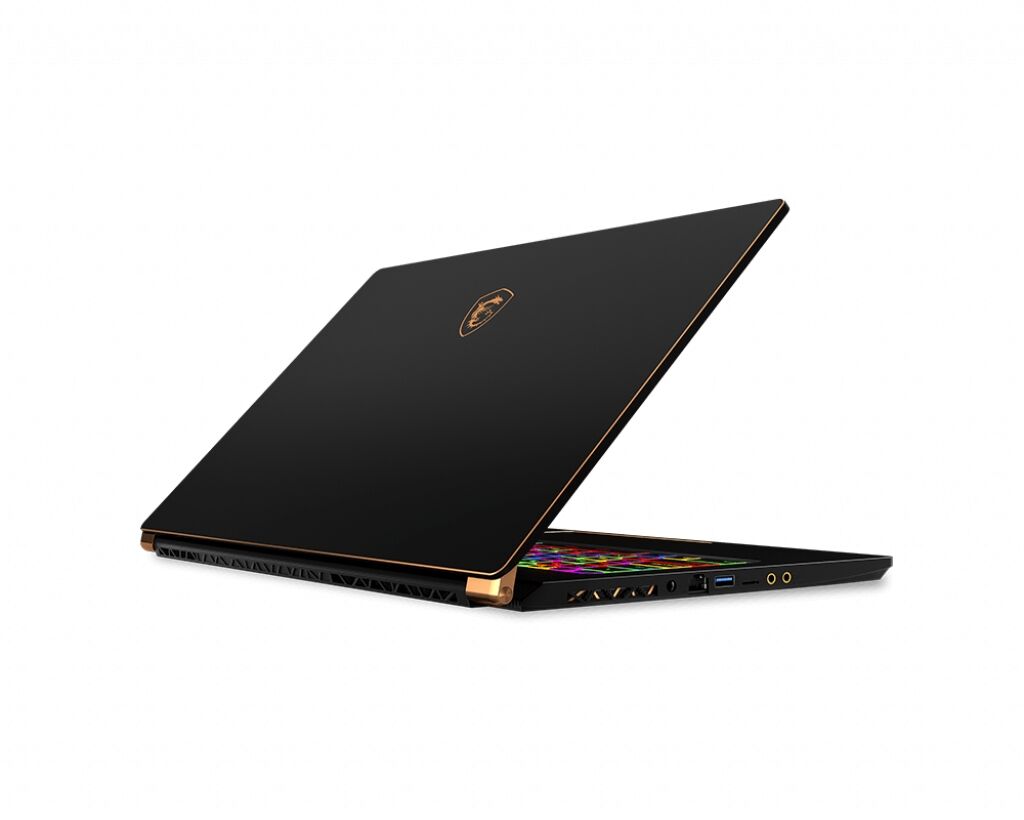
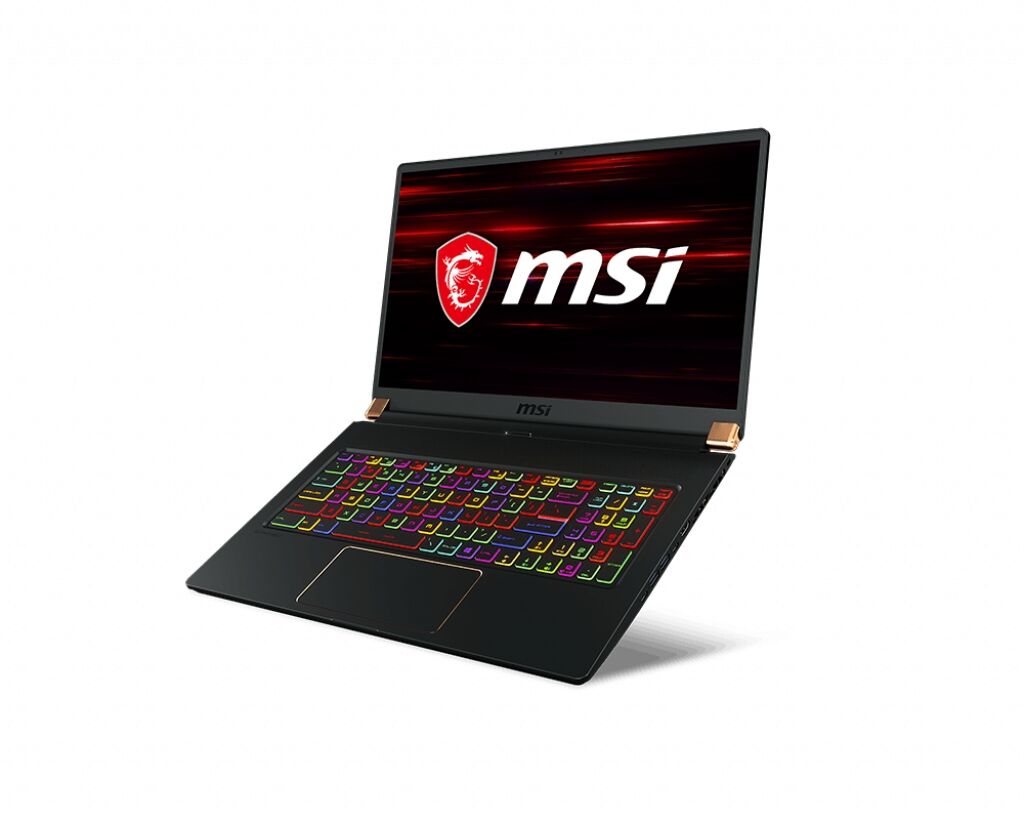
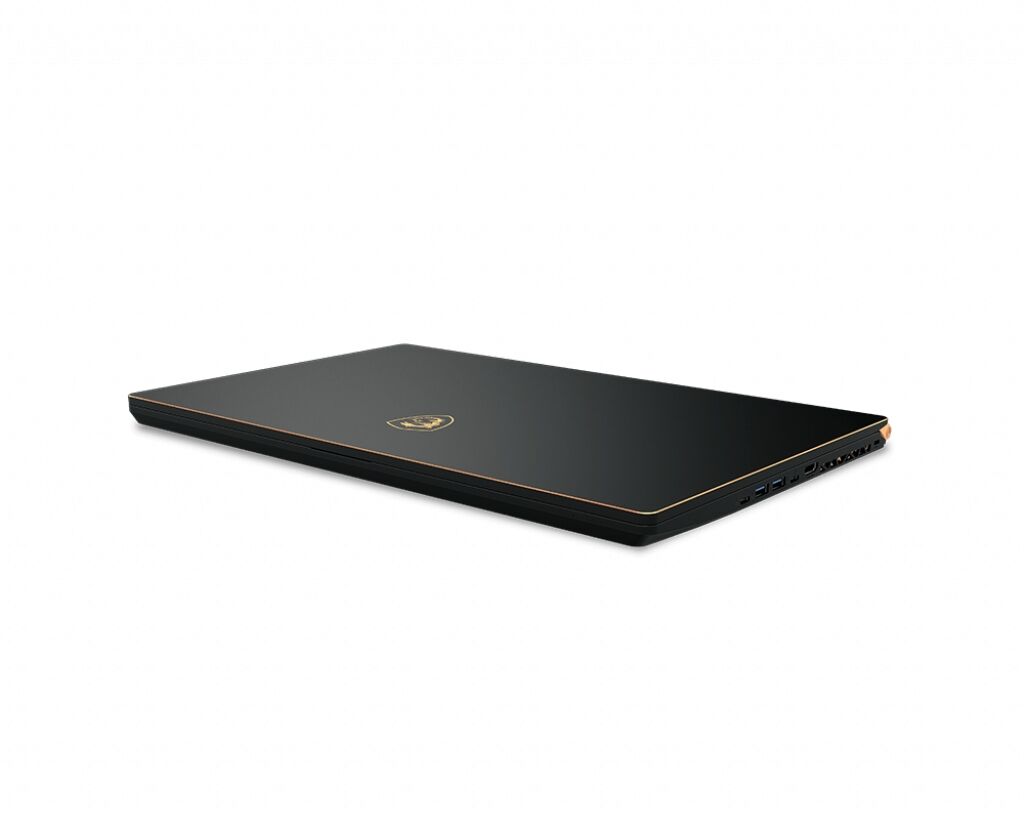

The MSI GS75 Stealth 10SFS-488FR gaming laptop features DDR4-SDRAM memory with 2 SO-DIMM upgrade slots. Maximum supported RAM capacity reaches 64 GB, operating at 3200 MHz frequency. Compatible memory modules utilize the SO-DIMM form factor standard. Specifications enable memory upgrades for enhanced multitasking and gaming performance within the GS series specifications.
Memory Upgrade Specifications
| Specification | Value |
|---|---|
| Memory slots | 2x SO-DIMM |
| Form factor | SO-DIMM |
| Memory type | DDR4-SDRAM |
| Frequency | 3200 MHz |
| Maximum RAM | 64 GB |
| Voltage | 1.2V |
| Number of pins | 260-pin |
| Interface | PC4 |
| PC Speed Rating | PC4-3200 (PC4-25600) |
| Bandwidth | 25.6 GB/s |
| Laptop Release date | 13 October 2020 |
Additional Notes
- The MSI GS75 Stealth 10SFS-488FR accommodates only 2 SO-DIMM slots, which means maximum capacity expansion is constrained to 64 GB total. This dual-slot configuration requires replacing both existing modules simultaneously to reach maximum capacity rather than adding a single additional module.
- DDR4-3200 MHz memory operates at standard JEDEC specification for 10th generation mobile processors. Modules rated above 3200 MHz may function in this system but will downclock to 3200 MHz due to memory controller limitations, making premium-tier RAM speeds unnecessary for this platform.
- SO-DIMM form factor is exclusively mobile specification. Desktop DDR4 UDIMM modules are physically and electrically incompatible and cannot be force-fitted into these slots without hardware damage.
- Removing factory SO-DIMM modules and replacing them with aftermarket units typically voids manufacturer coverage on those components. Retention of original memory modules or purchasing from MSI-authorized channels mitigates warranty risk during upgrades.
- The 2-slot architecture creates a symmetrical pairing requirement. Mismatched module capacities (such as 16 GB plus 32 GB) may trigger suboptimal single-channel operation on one channel if BIOS firmware lacks asymmetric memory mapping support, reducing bandwidth efficiency below theoretical dual-channel performance.