MSI Gaming GS75 Stealth 10SFS-095ES RAM upgrade specifications


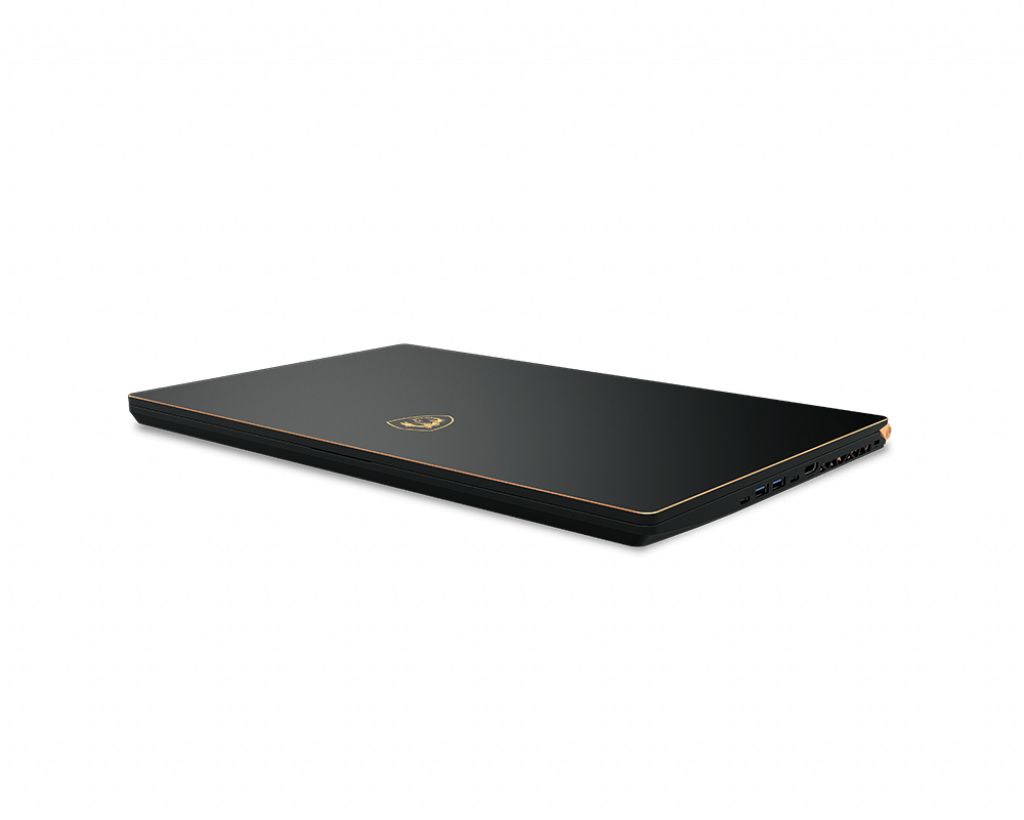

The MSI GS75 Stealth 10SFS-095ES gaming laptop features DDR4-SDRAM memory configuration with two SO-DIMM slots supporting maximum RAM capacity of 64 GB. Memory upgrade specifications indicate compatible DDR4 modules operating at 2666 MHz frequency. The GS series Gaming family laptop accommodates SO-DIMM form factor memory modules for RAM expansion. Maximum supported memory specifications allow installation of compatible DDR4-SDRAM modules up to 64 GB total capacity across both available slots.
Memory Upgrade Specifications
| Specification | Value |
|---|---|
| Memory slots | 2x SO-DIMM |
| Form factor | SO-DIMM |
| Memory type | DDR4-SDRAM |
| Frequency | 2666 MHz |
| Maximum RAM | 64 GB |
| Voltage | 1.2V |
| Number of pins | 260-pin |
| Interface | PC4 |
| PC Speed Rating | PC4-2666 (PC4-21328) |
| Bandwidth | 21.3 GB/s |
| Laptop Release date | 07 March 2020 |
Additional Notes
- The 2 SO-DIMM slots support up to 64 GB total capacity, enabling maximum configurations of 32 GB modules per slot, though such high-density modules may exhibit reduced availability and premium pricing in the DDR4 market.
- DDR4-2666 MHz represents a conservative speed tier for 10th-generation mobile platforms; faster DDR4-3200 modules remain compatible but will downclock to 2666 MHz native frequency, negating speed upgrade benefits and wasting performance headroom investment.
- SO-DIMM form factor requires complete system shutdown and base removal for installation; no hot-swappable access exists, necessitating planned maintenance windows and potential disruption to active workflows.
- The MSI GS75 Stealth 10SFS-095ES ships with a fixed memory configuration; both slots must remain populated after upgrade to prevent single-channel operation, which cuts memory bandwidth efficiency by approximately 50 percent and degrades gaming frame rates.
- DDR4-SDRAM modules purchased for this platform risk stranding if the device undergoes motherboard replacement, as DDR5 has become standard in subsequent generation mobile platforms, eliminating backward compatibility pathways.
- Dual-channel architecture with 2 slots creates a single point of failure; individual module degradation or incompatibility renders half the system memory inaccessible, whereas 4-slot designs distribute this risk across 4 modules.