MSI Gaming GS75 Stealth 10SF-044ES RAM upgrade specifications
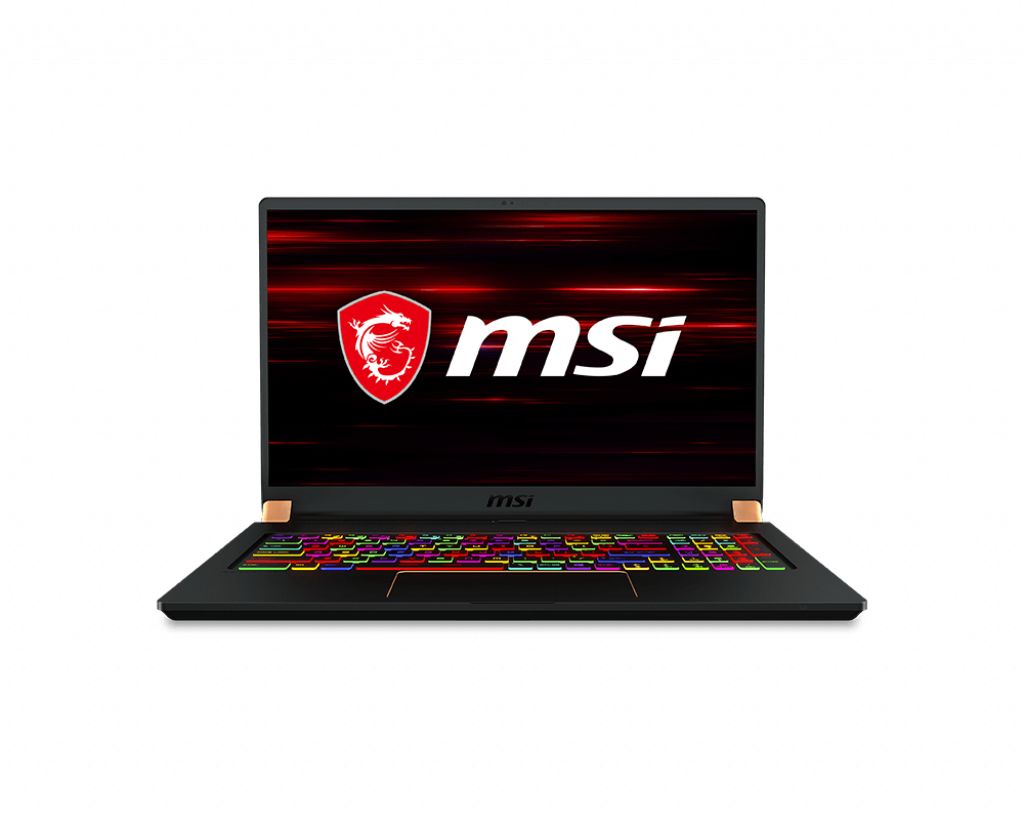
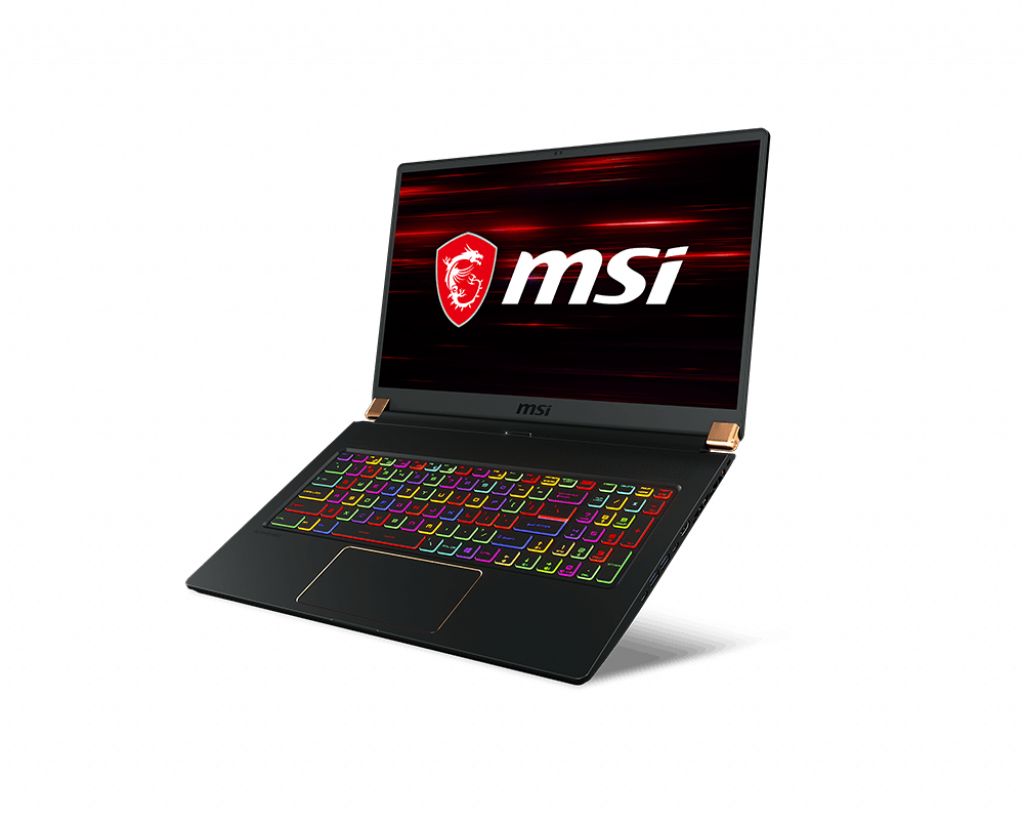
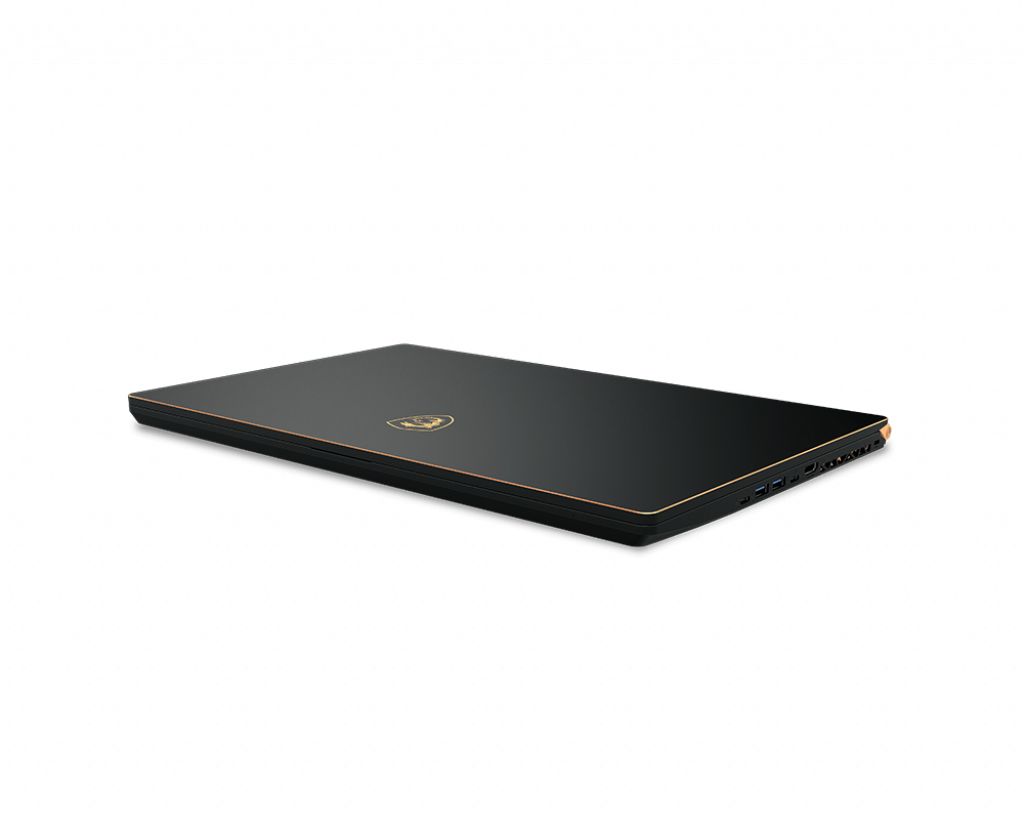

MSI GS75 Stealth 10SF-044ES gaming laptop features two SO-DIMM slots supporting DDR4-SDRAM memory at 2666 MHz frequency. Maximum RAM capacity reaches 64 GB for this model. Memory upgrade specifications indicate compatible modules must match DDR4-SDRAM standards and SO-DIMM form factor. Current configuration and available slots allow expansion of existing memory capacity. Specifications confirm upgrade compatibility with DDR4 technology for enhanced performance capabilities.
Memory Upgrade Specifications
| Specification | Value |
|---|---|
| Memory slots | 2x SO-DIMM |
| Form factor | SO-DIMM |
| Memory type | DDR4-SDRAM |
| Frequency | 2666 MHz |
| Maximum RAM | 64 GB |
| Voltage | 1.2V |
| Number of pins | 260-pin |
| Interface | PC4 |
| PC Speed Rating | PC4-2666 (PC4-21328) |
| Bandwidth | 21.3 GB/s |
| Laptop Release date | 07 March 2020 |
Additional Notes
- The internal layout of the MSI GS75 Stealth 10SF-044ES features a flipped motherboard design which necessitates the complete removal of the main circuit board to access the SO-DIMM slots for any hardware changes.
- Dual channel memory architecture requires installing identical capacity modules in both slots to ensure peak memory bandwidth and prevent synchronous timing bottlenecks.
- The integrated memory controller supports higher frequency modules but will downclock them to the system limit of 2666 MHz regardless of the advertised speed on the replacement sticks.
- Reaching the 64 GB maximum capacity involves replacing both pre-installed modules because the system lacks additional open slots for incremental expansion.
- Upgrading the memory requires detaching fragile ribbon cables for the keyboard and trackpad due to the inverted orientation of the hardware components within the chassis.
- Thermal pads on the original factory memory should be transferred or replaced to maintain heat dissipation for the dense 32 GB modules required for a 64 GB configuration.
- Non-ECC unbuffered memory is mandatory as the chipset lacks the logic required to process error-correcting code data typical of server-grade modules.