MSI Gaming GS77 12UGS-003FR Stealth RAM upgrade specifications
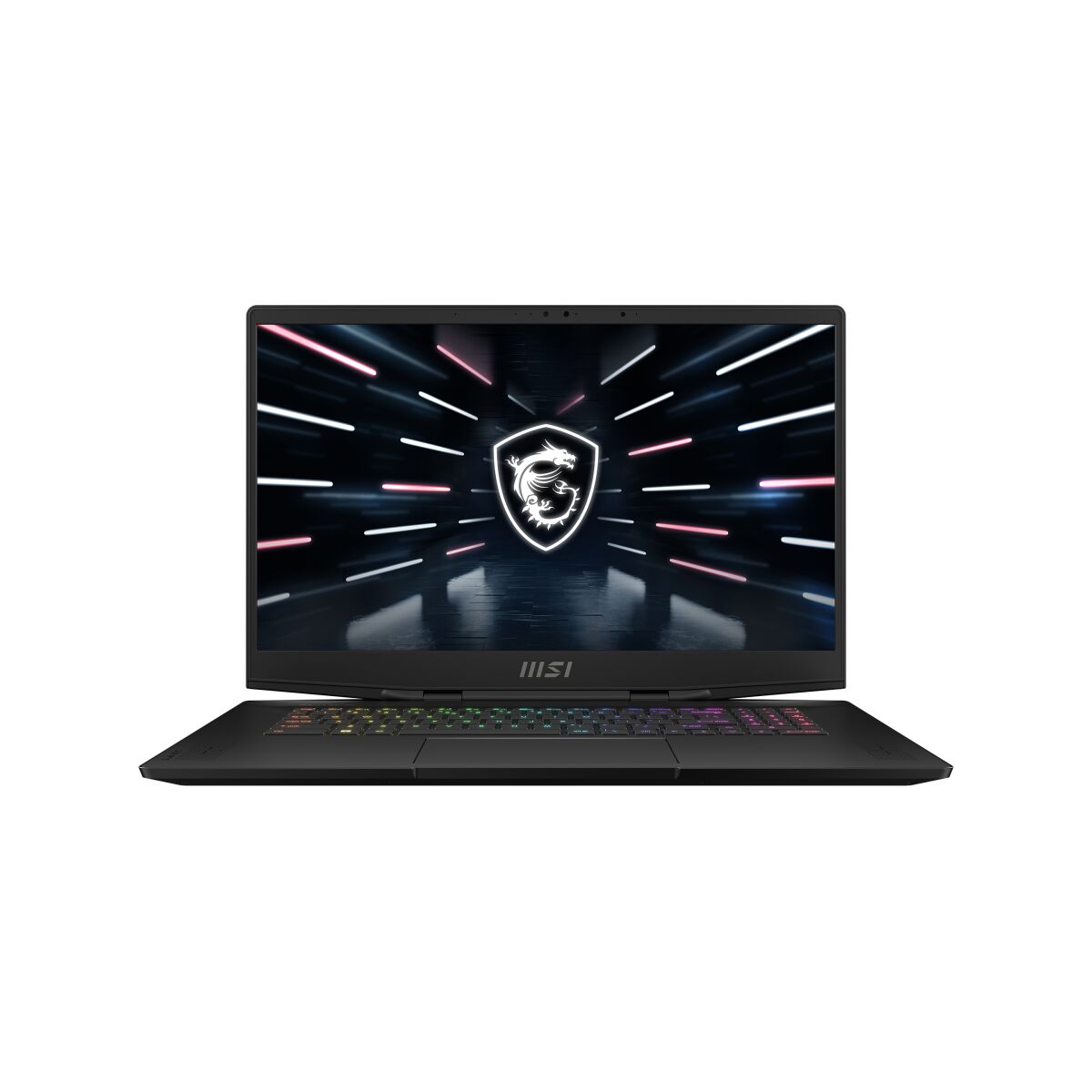


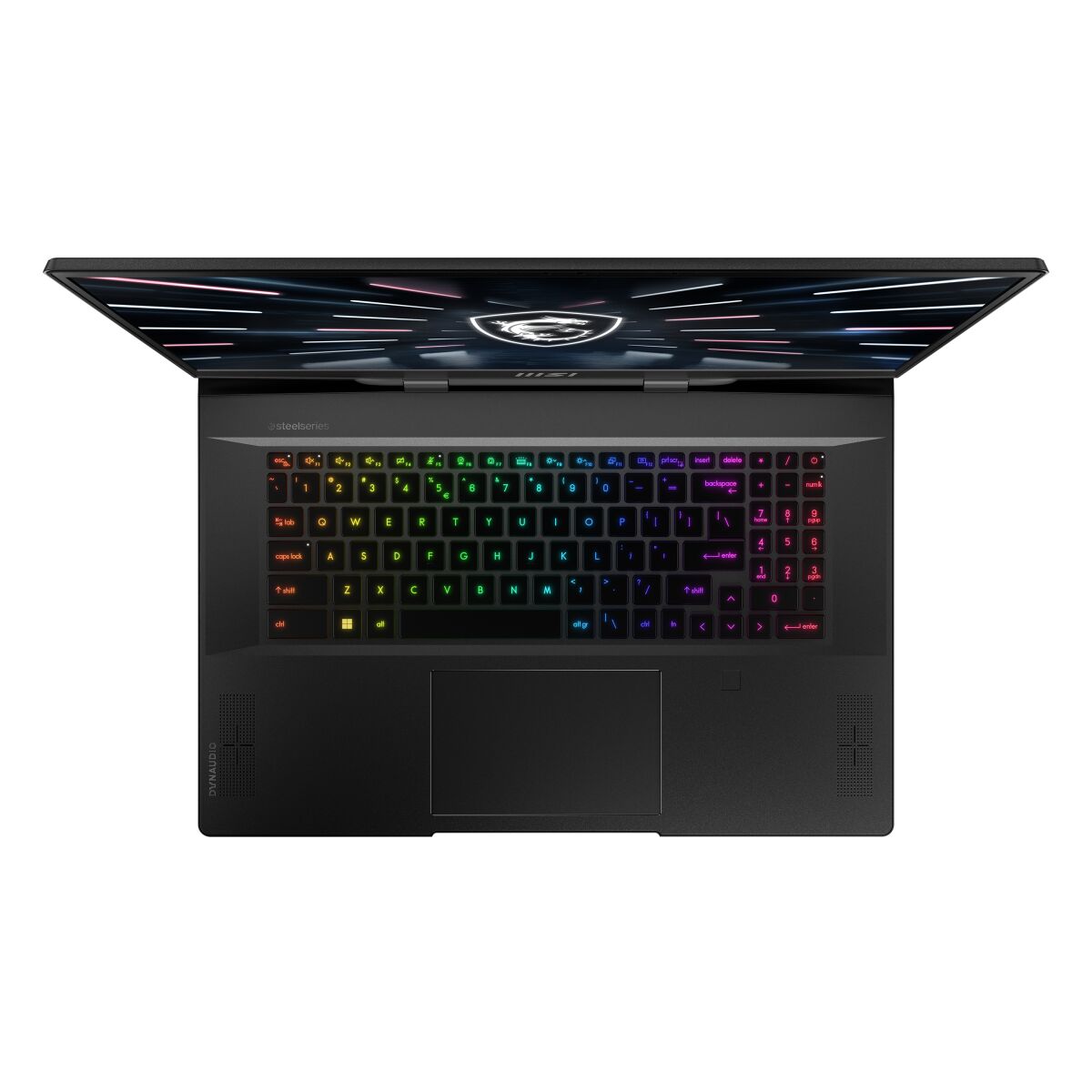
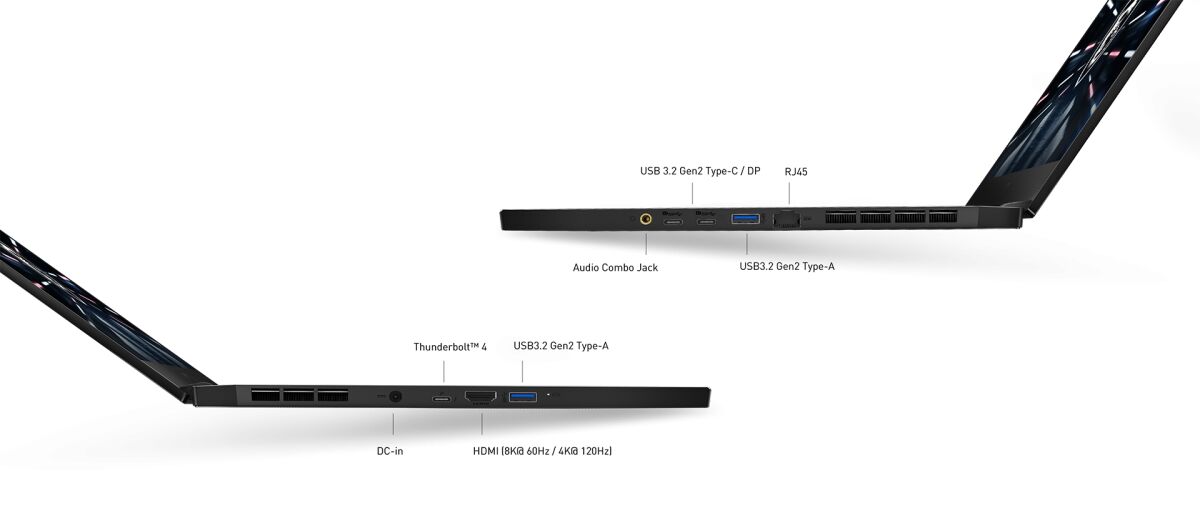
MSI GS77 12UGS-003FR Stealth gaming laptop supports DDR5-SDRAM memory upgrades across 2 SO-DIMM slots. Compatible memory capacity reaches maximum 64 GB total, with DDR5 modules operating at 4800 MHz frequency. SO-DIMM form factor specifications enable RAM upgrade compatibility for this MSI GS series model. Memory upgrade slots accommodate standard DDR5-SDRAM specifications, supporting enhanced multitasking and performance capabilities for gaming and professional applications.
Memory Upgrade Specifications
| Specification | Value |
|---|---|
| Memory slots | 2x SO-DIMM |
| Form factor | SO-DIMM |
| Memory type | DDR5-SDRAM |
| Frequency | 4800 MHz |
| Maximum RAM | 64 GB |
| Voltage | 1.1V |
| Number of pins | 262-pin |
| Interface | PC5 |
| PC Speed Rating | PC5-4800 (PC5-38400) |
| Bandwidth | 38.4 GB/s |
| Laptop Release date | 22 April 2022 |
Additional Notes
- The MSI GS77 12UGS-003FR Stealth supports DDR5-SDRAM exclusively, rendering DDR4 modules physically incompatible despite similar slot appearance. Installation of DDR4 memory will result in permanent component damage.
- SO-DIMM slots occupy limited internal space within the chassis. Thick heat spreaders on premium DDR5 modules may obstruct adjacent components during installation, requiring removal of the keyboard deck or bottom panel for clearance verification before purchase.
- 4800 MHz operation requires BIOS validation of new modules against the qualified vendor list. Mixing DDR5 batches from different manufacturers or revision numbers may trigger memory training failures, forcing single-channel operation or boot loops until CMOS reset occurs.
- Maximum addressable capacity of 64 GB represents the architectural ceiling. Upgrading beyond 32 GB per slot requires both slots populated simultaneously, consuming all upgrade slots and eliminating future expansion pathways.
- DDR5-4800 MHz frequency depends on integrated memory controller stability within the 12th-generation Intel processor. Thermal throttling under sustained gaming workloads may cause frequency downstepping below rated specifications, reducing real-world bandwidth gains versus baseline configurations.
- Warranty coverage for RAM upgrades typically requires components from OEM-approved vendors. Third-party DDR5 modules meeting JEDEC standards may void memory-related support claims, though physical installation itself remains permitted under most manufacturer policies.