MSI Gaming GS77 12UGS-025UK Stealth RAM upgrade specifications



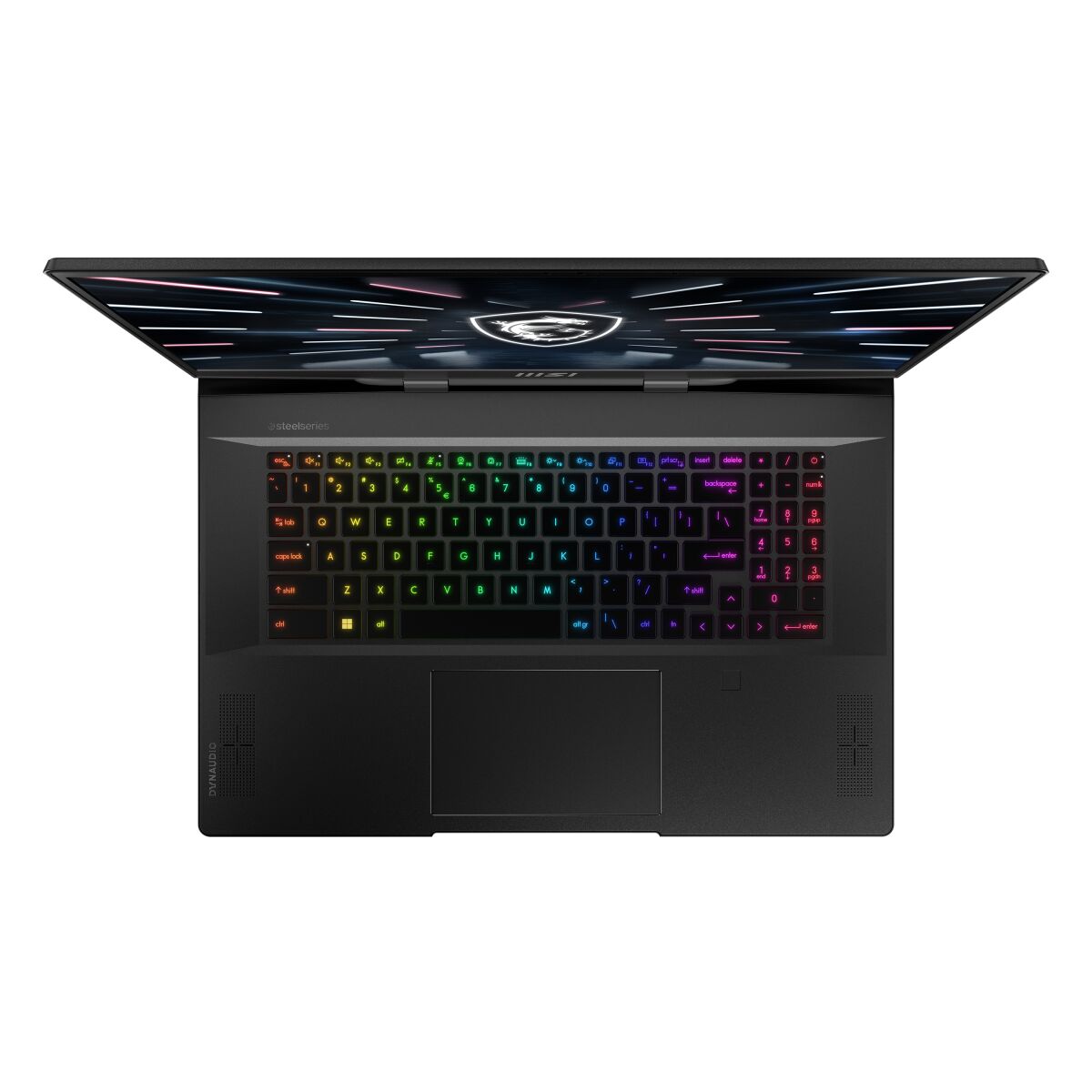
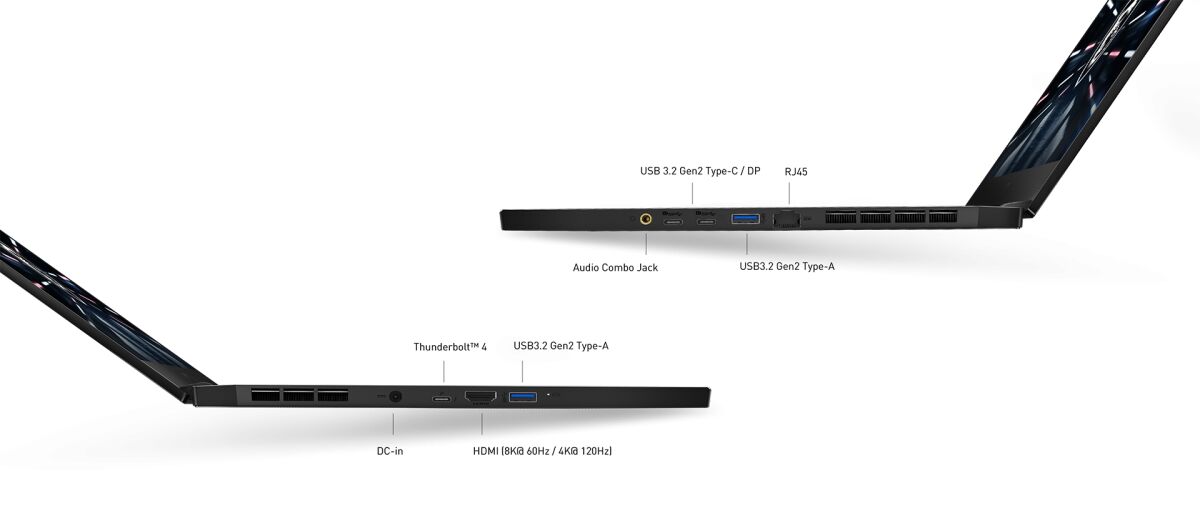
The MSI GS77 12UGS-025UK Stealth Gaming laptop supports DDR5-SDRAM memory upgrades through two SO-DIMM slots. Maximum compatible RAM capacity reaches 64 GB total. Memory specifications include 4800 MHz frequency support. Upgrade options allow installation of compatible DDR5 SO-DIMM modules to enhance system performance and multitasking capabilities on the GS series laptop.
Memory Upgrade Specifications
| Specification | Value |
|---|---|
| Memory slots | 2x SO-DIMM |
| Form factor | SO-DIMM |
| Memory type | DDR5-SDRAM |
| Frequency | 4800 MHz |
| Maximum RAM | 64 GB |
| Voltage | 1.1V |
| Number of pins | 262-pin |
| Interface | PC5 |
| PC Speed Rating | PC5-4800 (PC5-38400) |
| Bandwidth | 38.4 GB/s |
| Laptop Release date | 19 January 2022 |
Additional Notes
- The SO-DIMM form factor restricts physical dimensions to 67.6mm width, preventing installation of standard desktop DIMM modules regardless of electrical compatibility.
- DDR5 architecture operates exclusively at 1.1V, making DDR4 modules electrically incompatible despite identical physical slot dimensions.
- The 64 GB ceiling typically indicates 32 GB maximum density per module support, as 48 GB SO-DIMM modules remain non-standard in consumer markets.
- Dual-channel memory topology requires matched module pairs to maintain symmetric bandwidth, as asymmetric configurations default to single-channel operation for capacity exceeding the smaller module.
- JEDEC standard DDR5-4800 operates with CL40 latency baseline, producing approximately 16.67ns actual latency despite higher absolute CAS values than DDR4.
- Mixing 4800 MHz modules with higher-speed variants forces all modules to downclock to the lowest common frequency, as memory controllers cannot operate channels at different speeds simultaneously.
- Non-ECC SO-DIMM compatibility means Error Correction Code modules will physically install but operate in non-ECC mode, negating the cost premium without providing data integrity features.
- Intel 12th generation memory controllers in this MSI GS77 12UGS-025UK Stealth support JEDEC profiles natively, while XMP 3.0 profiles require BIOS support that may be absent in locked OEM firmware.
- On-die ECC in DDR5 architecture provides internal error correction transparent to the operating system, distinct from module-level ECC unavailable in this configuration.
- Thermal constraints in 2-slot configurations allow higher-density modules to generate increased heat output compared to 4-slot distributions, potentially triggering thermal throttling under sustained memory-intensive workloads.
- Bank group architecture in DDR5 doubles from DDR4, enabling improved interleaving efficiency but requiring controller support beyond simple frequency compatibility.
- Warranty preservation typically requires non-destructive installation, meaning modules must be installed without removal of factory-applied seals on bottom panel access points specific to memory compartments.