MSI Gaming GS77 12UGS-061NL Stealth RAM upgrade specifications



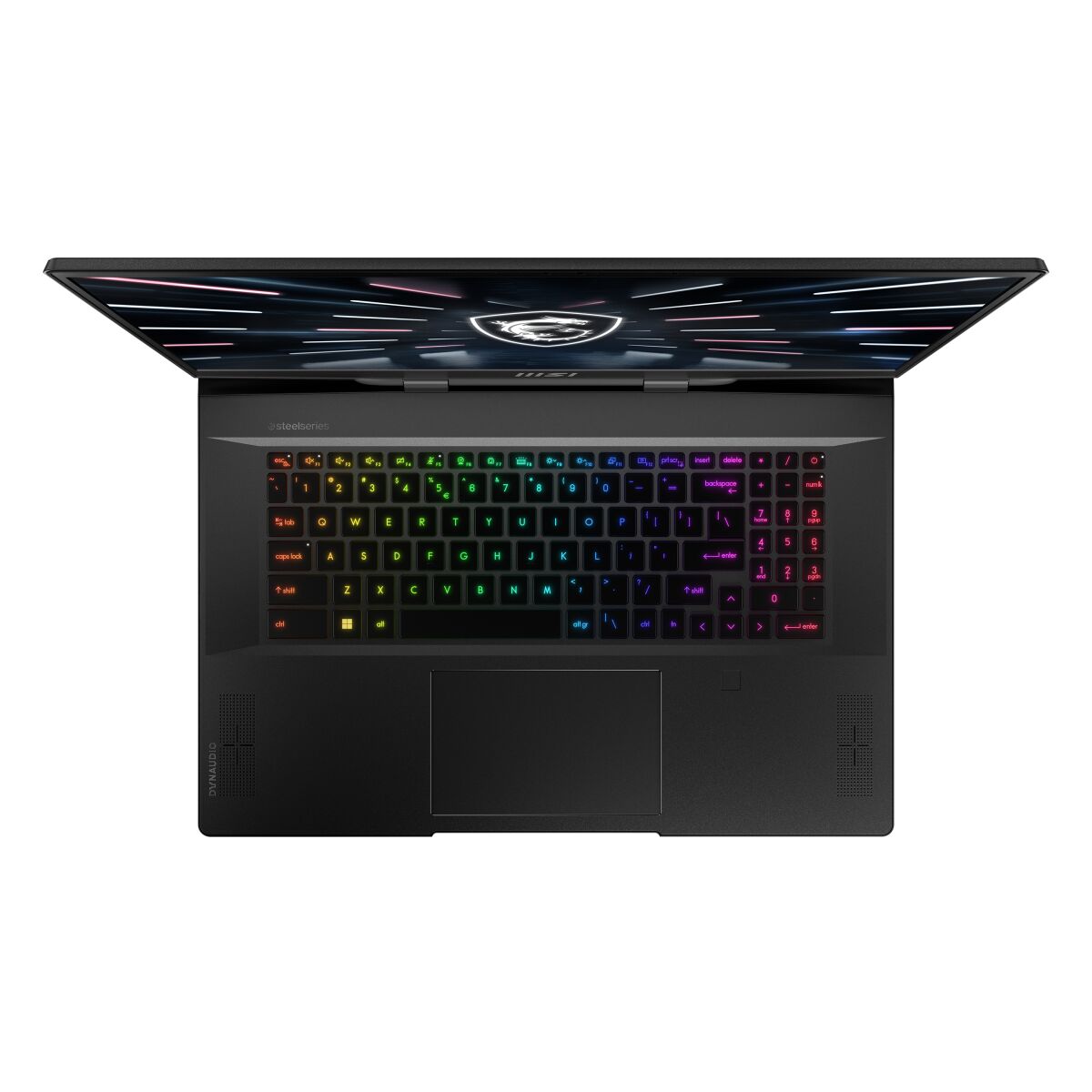
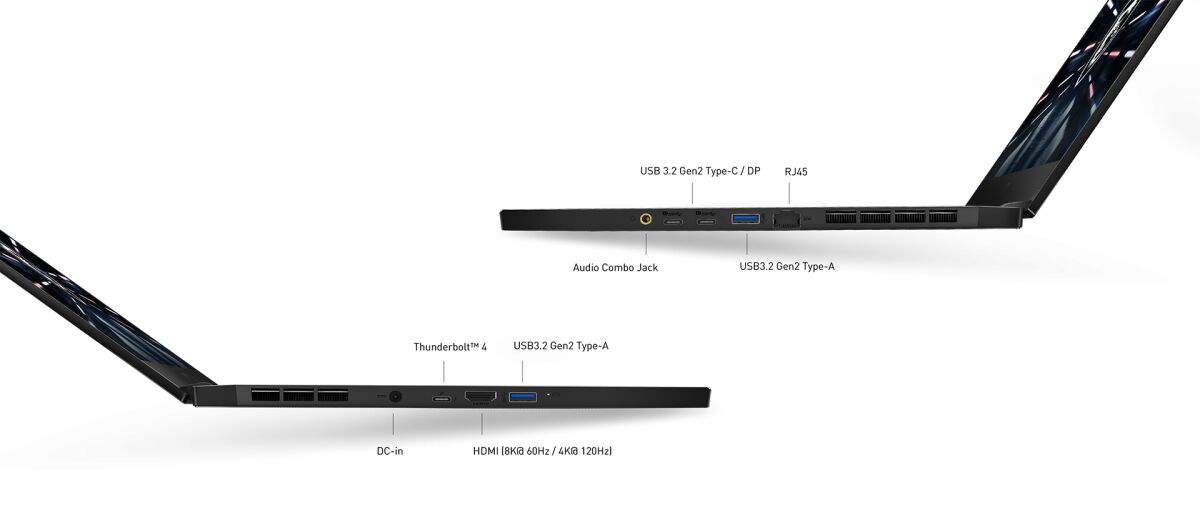
MSI GS77 12UGS-061NL Stealth gaming laptop supports DDR5-SDRAM memory upgrades through 2x SO-DIMM slots. Maximum compatible RAM capacity reaches 64 GB total, operating at 4800 MHz frequency. Memory modules utilize SO-DIMM form factor specifications for this gaming series model. Upgrade capacity allows configuration of dual memory modules to achieve maximum performance specifications for the GS77 Stealth platform.
Memory Upgrade Specifications
| Specification | Value |
|---|---|
| Memory slots | 2x SO-DIMM |
| Form factor | SO-DIMM |
| Memory type | DDR5-SDRAM |
| Frequency | 4800 MHz |
| Maximum RAM | 64 GB |
| Voltage | 1.1V |
| Number of pins | 262-pin |
| Interface | PC5 |
| PC Speed Rating | PC5-4800 (PC5-38400) |
| Bandwidth | 38.4 GB/s |
| Laptop Release date | 26 January 2022 |
Additional Notes
- The MSI GS77 12UGS-061NL Stealth accommodates DDR5 memory exclusively, rendering DDR4 modules incompatible regardless of capacity. Retrofitting with older-generation memory requires motherboard-level replacement, which voids standard warranty coverage.
- 2 SO-DIMM slots establish a hard ceiling of 64 GB total capacity. Single-slot population leaves 32 GB of addressable space unused, creating asymmetric dual-channel configurations that reduce memory bandwidth efficiency by up to 15 percent relative to balanced capacity pairings.
- DDR5-4800 MHz specification indicates native JEDEC compliance without overclocking. Memory modules rated above 4800 MHz require BIOS profile activation and may exceed manufacturer power delivery specifications for the memory controller, potentially triggering thermal throttling under sustained workloads or disqualifying the upgrade from hardware support.
- SO-DIMM form factor restricts upgrade candidates to laptop-specific modules. Full-size UDIMM or server-class DDR5 variants physically cannot fit the retention slots, and forced insertion damages both module contacts and motherboard socket pads irreversibly.
- Transitioning from factory-installed configurations to maximum 64 GB capacity (typically 2x32 GB modules) requires matching module latencies and rated voltages with existing SO-DIMMs to preserve stability. Mixing unidentical memory generations or suppliers creates intermittent data corruption risks masked during routine operation.
- DDR5 latency specifications (CAS timings of 40+ cycles) offset bandwidth gains versus DDR4, producing negligible real-world performance improvements in non-synthetic gaming scenarios. Gaming frame rates remain bound by GPU capability rather than memory throughput at 1440p and 4K resolutions.