MSI Gaming GS77 12UH-059NL Stealth RAM upgrade specifications



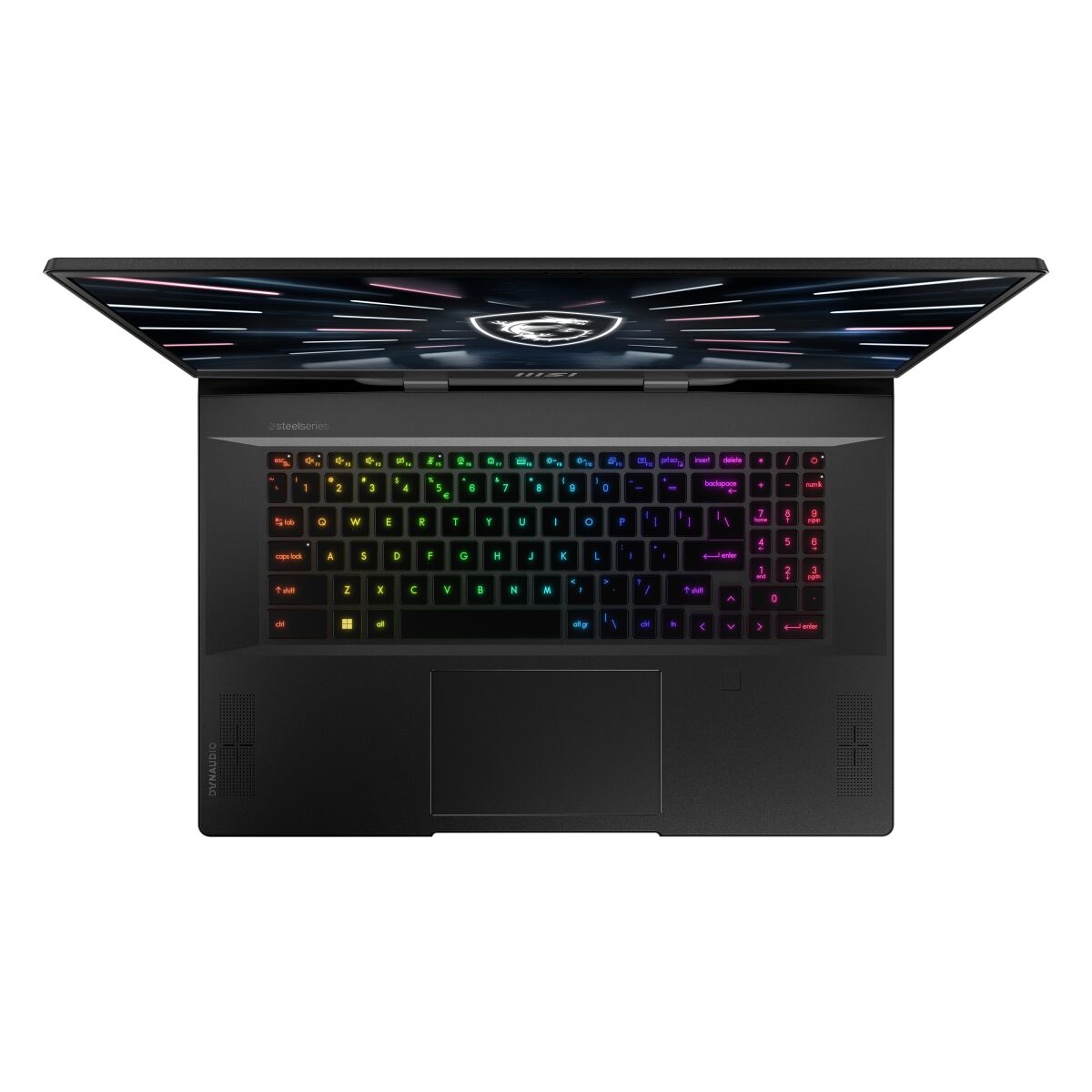
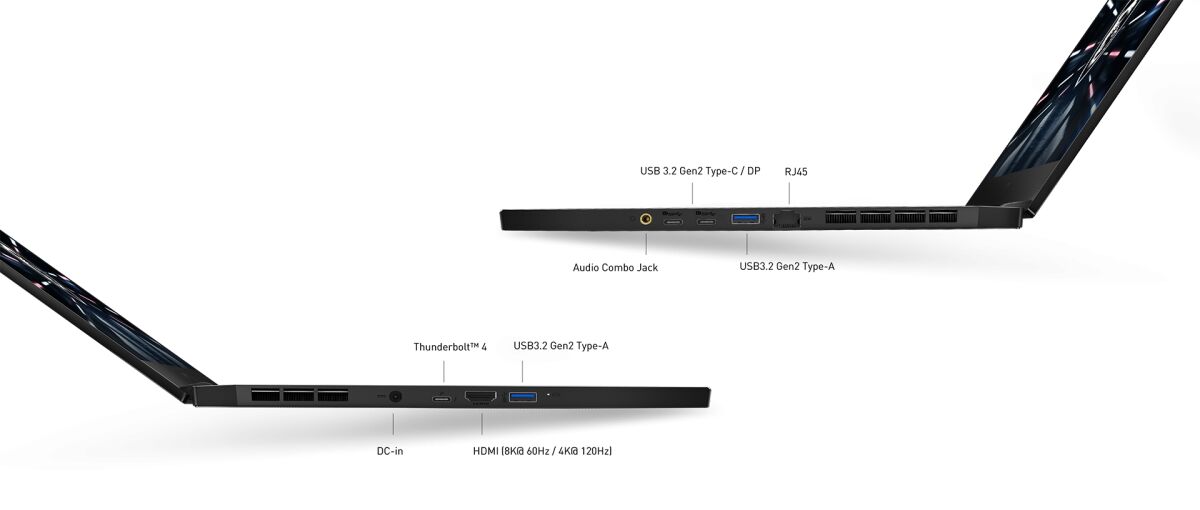
The MSI GS77 12UH-059NL Stealth gaming laptop features DDR5-SDRAM memory specifications with upgrade capabilities. Compatible memory modules utilize the SO-DIMM form factor, with two available slots for RAM expansion. Maximum supported capacity reaches 64 GB through dual memory slots. The memory operates at 4800 MHz frequency. Specifications indicate DDR5 compatibility for the Gaming GS series model, enabling users to upgrade existing memory configurations to higher capacities within the supported maximum threshold.
Memory Upgrade Specifications
| Specification | Value |
|---|---|
| Memory slots | 2x SO-DIMM |
| Form factor | SO-DIMM |
| Memory type | DDR5-SDRAM |
| Frequency | 4800 MHz |
| Maximum RAM | 64 GB |
| Voltage | 1.1V |
| Number of pins | 262-pin |
| Interface | PC5 |
| PC Speed Rating | PC5-4800 (PC5-38400) |
| Bandwidth | 38.4 GB/s |
| Laptop Release date | 26 January 2022 |
Additional Notes
- The MSI GS77 12UH-059NL Stealth supports DDR5 memory exclusively, which means DDR4 modules cannot be installed regardless of physical compatibility attempts. This represents a generational shift requiring complete module replacement rather than mixed-capacity upgrades from legacy systems.
- SO-DIMM form factor constrains upgrade options to laptop-specific memory modules. Desktop DDR5 UDIMM modules will not fit physically, eliminating cost savings from repurposing standard PC memory stock.
- The 2-slot configuration establishes a hard ceiling at 64 GB total capacity. Upgrading from factory-equipped 16 GB modules to 32 GB units per slot reaches maximum supported capacity with no headroom for future memory expansion beyond this point.
- DDR5-4800 MHz rating indicates the memory controller is binned for JEDEC standard DDR5 speeds. Third-party modules marketed at higher speeds (5600 MHz or above) may operate, but the system will enforce downclocking to 4800 MHz, negating performance premium costs associated with higher-rated bins.
- Dual-slot architecture creates a single point of failure risk. Loss or degradation of one module reduces available memory to 50 percent capacity if the remaining module operates in single-channel mode, whereas quad-slot systems distribute this risk across 4 components.
- SO-DIMM modules require removal of the bottom access panel. Warranty coverage remains intact provided standard ESD precautions are followed and no other components are disturbed during the operation.
- DDR5 SO-DIMMs exhibit tighter latency specifications than DDR4 equivalents. Compatibility is restricted to modules meeting JEDEC DDR5 standards rather than vendor-specific performance profiles, limiting viable upgrade sources to primary OEM channels or certified memory manufacturers.