MSI Gaming GS77 12UH-071UK Stealth RAM upgrade specifications




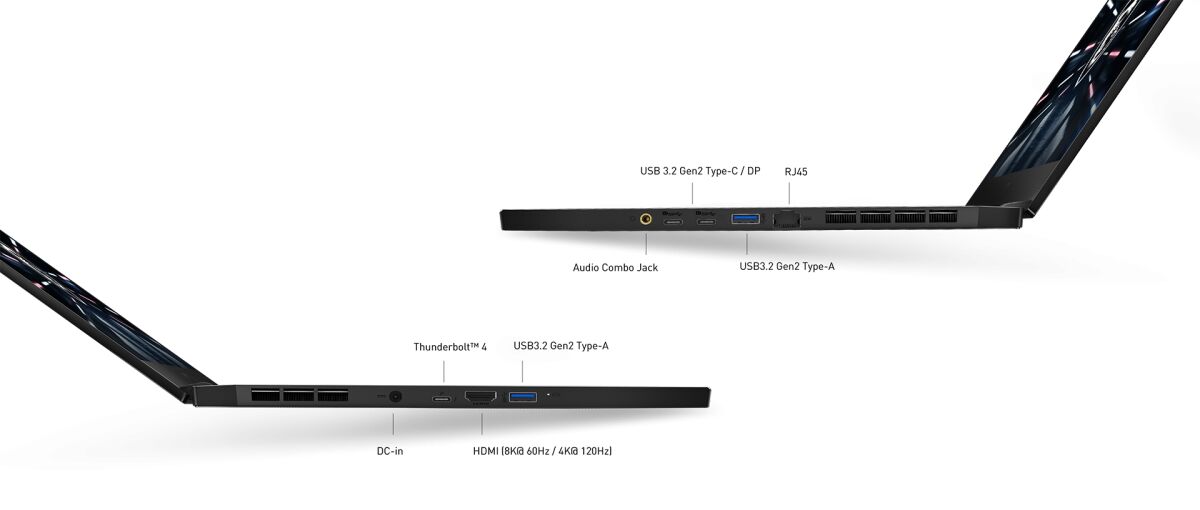
MSI GS77 12UH-071UK Stealth gaming laptop supports DDR5-SDRAM memory upgrades via 2x SO-DIMM slots. Maximum compatible RAM capacity reaches 64 GB total. Memory modules operate at 4800 MHz frequency specifications. Upgrade slots accommodate standard SO-DIMM form factor modules. RAM configuration supports high-performance memory for gaming and multitasking applications.
Memory Upgrade Specifications
| Specification | Value |
|---|---|
| Memory slots | 2x SO-DIMM |
| Form factor | SO-DIMM |
| Memory type | DDR5-SDRAM |
| Frequency | 4800 MHz |
| Maximum RAM | 64 GB |
| Voltage | 1.1V |
| Number of pins | 262-pin |
| Interface | PC5 |
| PC Speed Rating | PC5-4800 (PC5-38400) |
| Bandwidth | 38.4 GB/s |
| Laptop Release date | 19 January 2022 |
Additional Notes
- The MSI GS77 12UH-071UK Stealth employs SO-DIMM slots rather than standard UDIMM, restricting upgrades to laptop-grade memory modules and eliminating compatibility with desktop RAM.
- DDR5-4800 memory operates at reduced frequency relative to higher-tier DDR5 bins (5600 MHz, 6000 MHz), which constrains bandwidth headroom for sustained multithreaded workloads despite the memory controller supporting the architecture.
- Dual SO-DIMM configuration with 64 GB theoretical maximum means each slot accommodates 32 GB modules; upgrading to maximum capacity requires simultaneous replacement of both DIMMs rather than single-slot addition.
- SO-DIMM modules generate higher heat density than standard form factors due to tighter component spacing, necessitating verification that the thermal management system accommodates denser memory modules without inducing thermal throttling.
- DDR5-4800 memory requires compatible voltage regulation and timing parameters; non-compatible DDR5 modules marketed for higher frequencies may register as unstable or force downclocking to system specifications.
- Existing memory configuration must be documented before removal; mismatched DIMM populations (different capacities or manufacturers) can trigger memory training cycles on boot and may reduce effective bandwidth through single-channel fallback.
- SO-DIMM extraction requires precision handling and low-force ejection; memory retention clips present physical constraints that can interfere with larger heatspreaders found on premium DDR5 modules.