MSI Gaming GS77 12UH-060BE Stealth RAM upgrade specifications



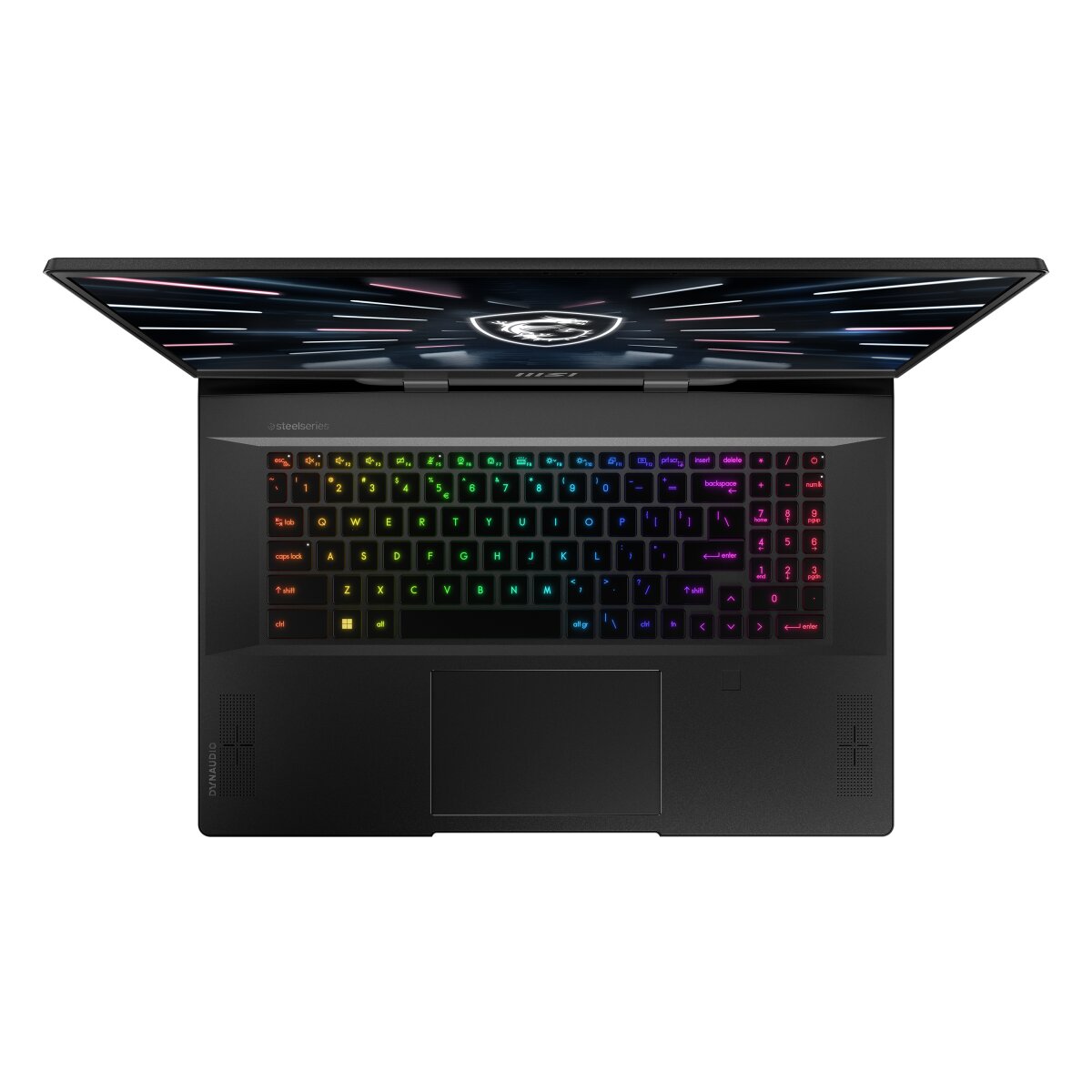
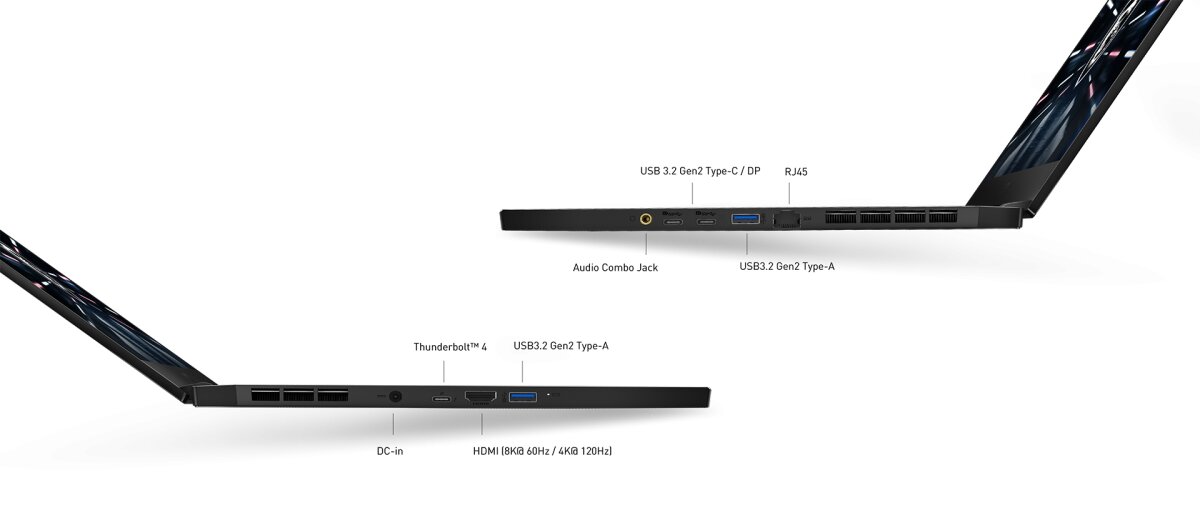
The MSI GS77 12UH-060BE Stealth gaming laptop supports DDR5-SDRAM memory upgrades through two SO-DIMM slots. Maximum RAM capacity reaches 64 GB, with compatible modules operating at 4800 MHz frequency. Memory upgrade specifications enable users to enhance system performance by replacing or adding DDR5 modules to existing slots. Supported memory configuration allows installation of matched pairs up to the 64 GB maximum threshold for this MSI Gaming GS series model.
Memory Upgrade Specifications
| Specification | Value |
|---|---|
| Memory slots | 2x SO-DIMM |
| Form factor | SO-DIMM |
| Memory type | DDR5-SDRAM |
| Frequency | 4800 MHz |
| Maximum RAM | 64 GB |
| Voltage | 1.1V |
| Number of pins | 262-pin |
| Interface | PC5 |
| PC Speed Rating | PC5-4800 (PC5-38400) |
| Bandwidth | 38.4 GB/s |
| Laptop Release date | 07 February 2022 |
Additional Notes
- DDR5 SO-DIMM modules operate at higher voltages (1.25V standard) than DDR4 predecessors, requiring thermal management validation during sustained gaming workloads to prevent voltage regulator throttling on the MSI GS77 12UH-060BE Stealth.
- The 2-slot configuration provides no upgrade headroom; replacing both SO-DIMMs simultaneously becomes mandatory for capacity increases, eliminating staged RAM expansion strategies.
- 4800 MHz DDR5 modules may require BIOS profile activation rather than automatic detection, necessitating firmware updates to unlock rated frequencies on this system generation.
- SO-DIMM slots on this form factor typically maintain sub-25mm clearance from adjacent components; heatspreader height on premium DDR5 modules risks mechanical interference during installation in confined laptop chassis bays.
- Single-sided SO-DIMM configurations (16 Gb density per rank) are warranty-safe upgrade paths; dual-ranked modules may produce compatibility flags despite falling within maximum capacity ratings.
- 64 GB capacity ceiling indicates a 32 Gb die configuration per slot; third-party modules matching 4800 MHz specifications may exhibit stability variance due to differing bin tolerances across manufacturers.
- Memory bandwidth saturation occurs at sustained LPDDR5X equivalency; gaming frame rate improvements beyond baseline configurations depend on GPU utilization patterns rather than RAM frequency gains above 4800 MHz.