MSI Gaming GT63 9SG-041 Titan RAM upgrade specifications
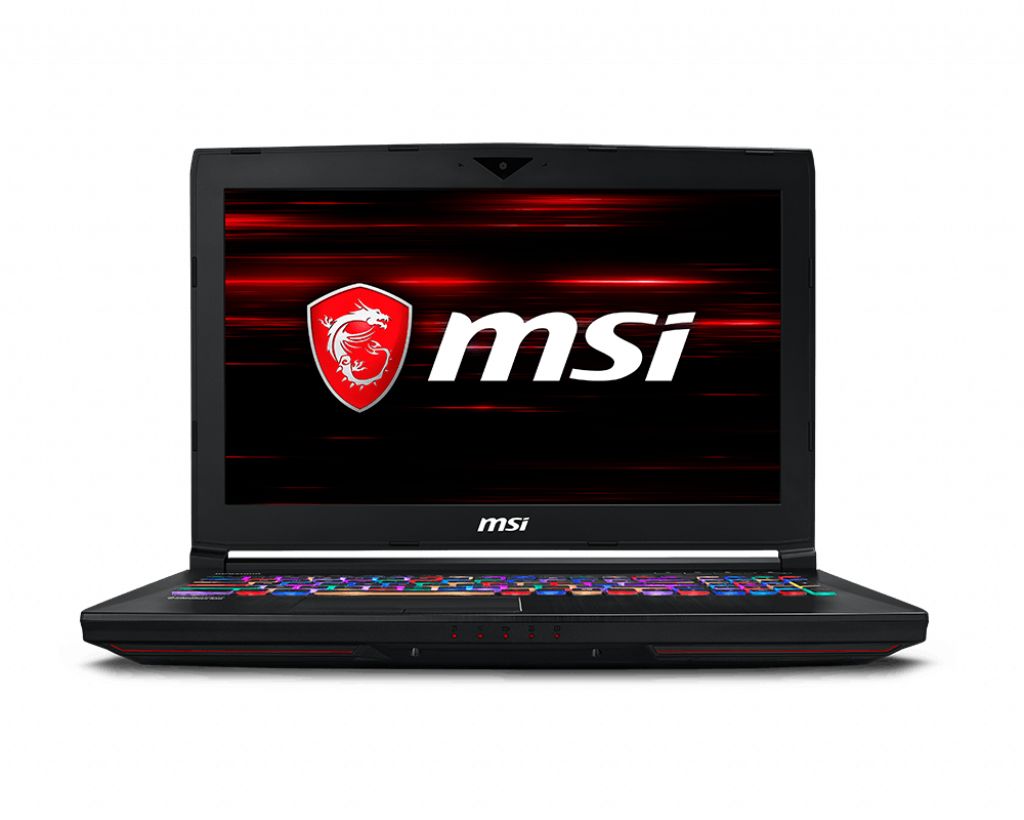
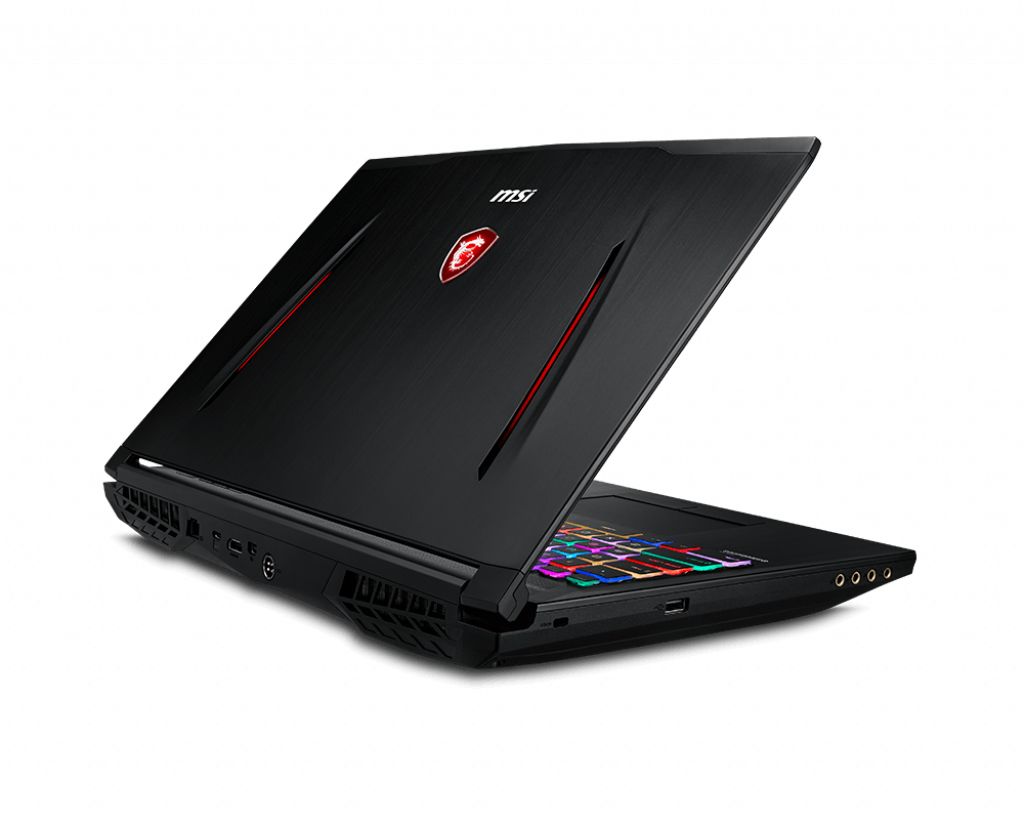
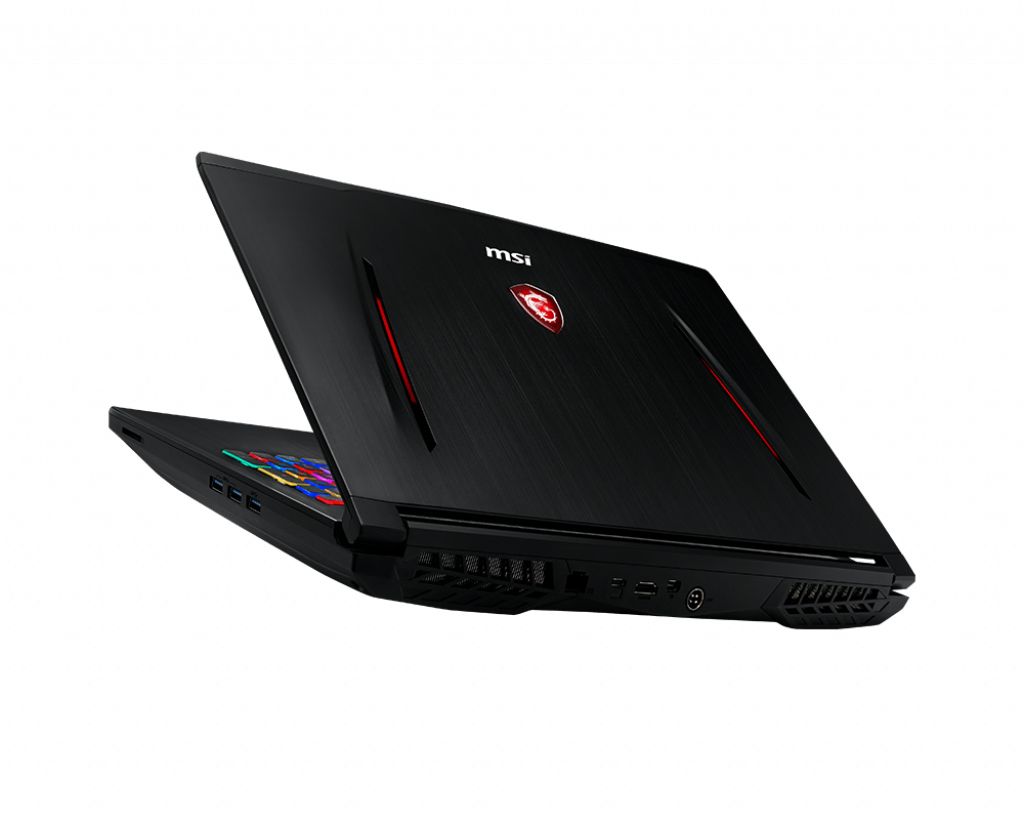
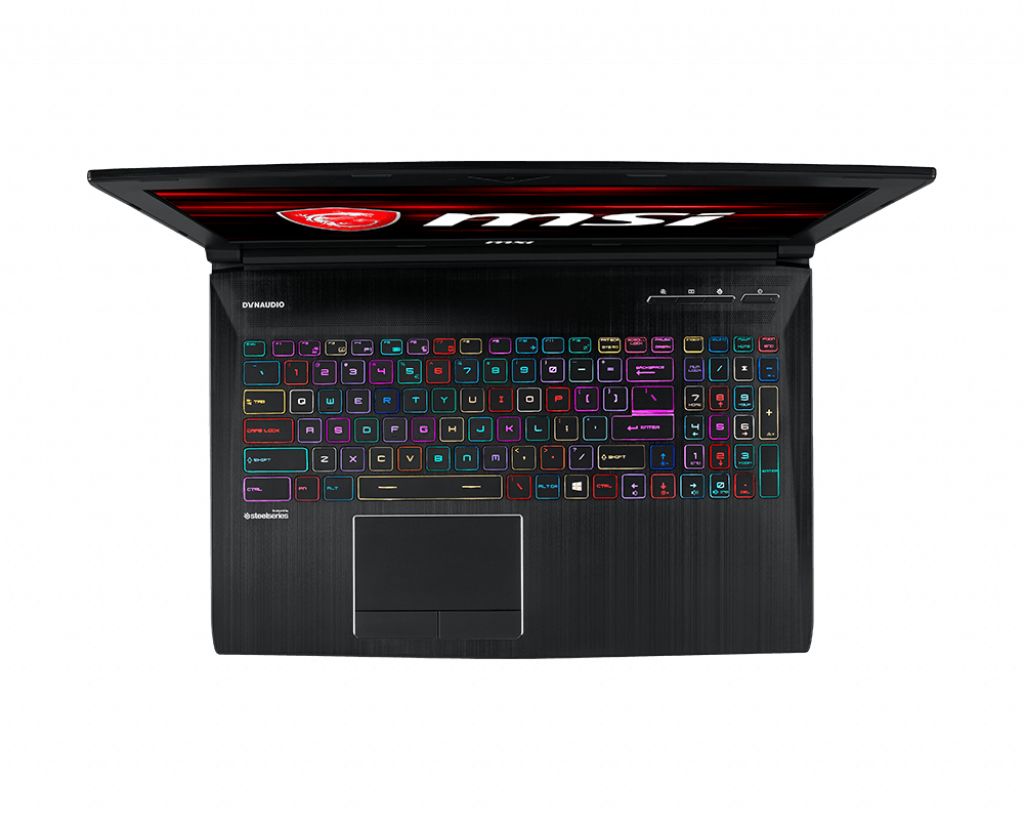
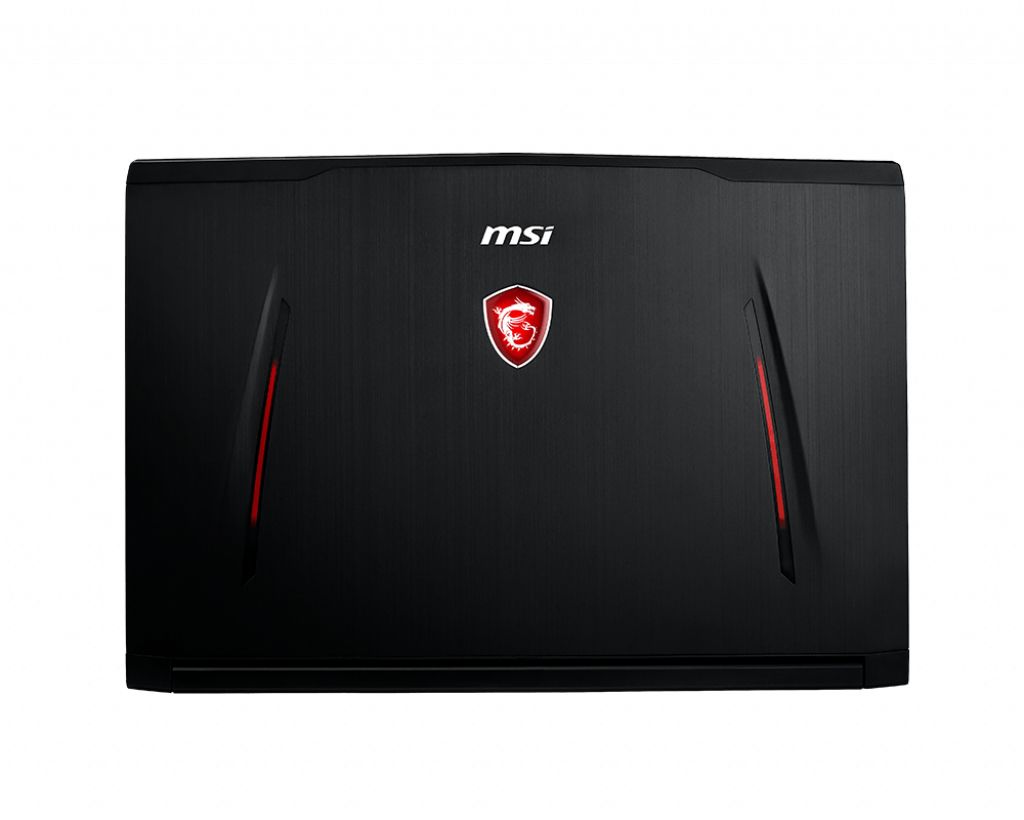
MSI GT63 9SG-041 Titan gaming laptop supports DDR4-SDRAM memory upgrades across four SO-DIMM slots. The machine accommodates maximum RAM capacity of 128 GB total, with compatible memory operating at 2666 MHz frequency. Upgrade specifications define the SO-DIMM form factor as the standard for memory module installation. Current and prospective configurations must match the DDR4-SDRAM specifications and slot compatibility requirements of the GT series platform.
Memory Upgrade Specifications
| Specification | Value |
|---|---|
| Memory slots | 4x SO-DIMM |
| Form factor | SO-DIMM |
| Memory type | DDR4-SDRAM |
| Frequency | 2666 MHz |
| Maximum RAM | 128 GB |
| Voltage | 1.2V |
| Number of pins | 260-pin |
| Interface | PC4 |
| PC Speed Rating | PC4-2666 (PC4-21328) |
| Bandwidth | 21.3 GB/s |
| Laptop Release date | 19 May 2019 |
Additional Notes
- The presence of 4 SO-DIMM slots implies a dual-channel architecture where memory modules must be installed in matched pairs across specific banks to maintain optimal bus width and prevent performance throttling.
- Upgrading the MSI GT63 9SG-041 Titan to its 128 GB threshold requires the use of high-density 32 GB modules which may increase internal heat concentrations near the chipset area.
- Physical access to all 4 memory banks often necessitates the removal of the primary keyboard assembly or deep chassis penetration which carries a risk of voiding factory seals depending on regional service policies.
- Mixing modules with different CAS latencies or timings will force the secondary memory controller to default to the slowest common denominator resulting in increased system latency.
- Total memory capacity exceeding 64 GB necessitates a 64-bit operating system environment to address the full hardware allocation without software-level truncation.
- Installing modules with frequencies higher than 2666 MHz will result in automatic downclocking as the hardware logic is hard-coded to the specific cycles of the 9th generation processor architecture.
- Populating all 4 slots simultaneously increases the load on the integrated memory controller which might require bios adjustments to maintain system stability under heavy computational loads.