MSI Gaming GT63 Titan 9SG-044 RAM upgrade specifications



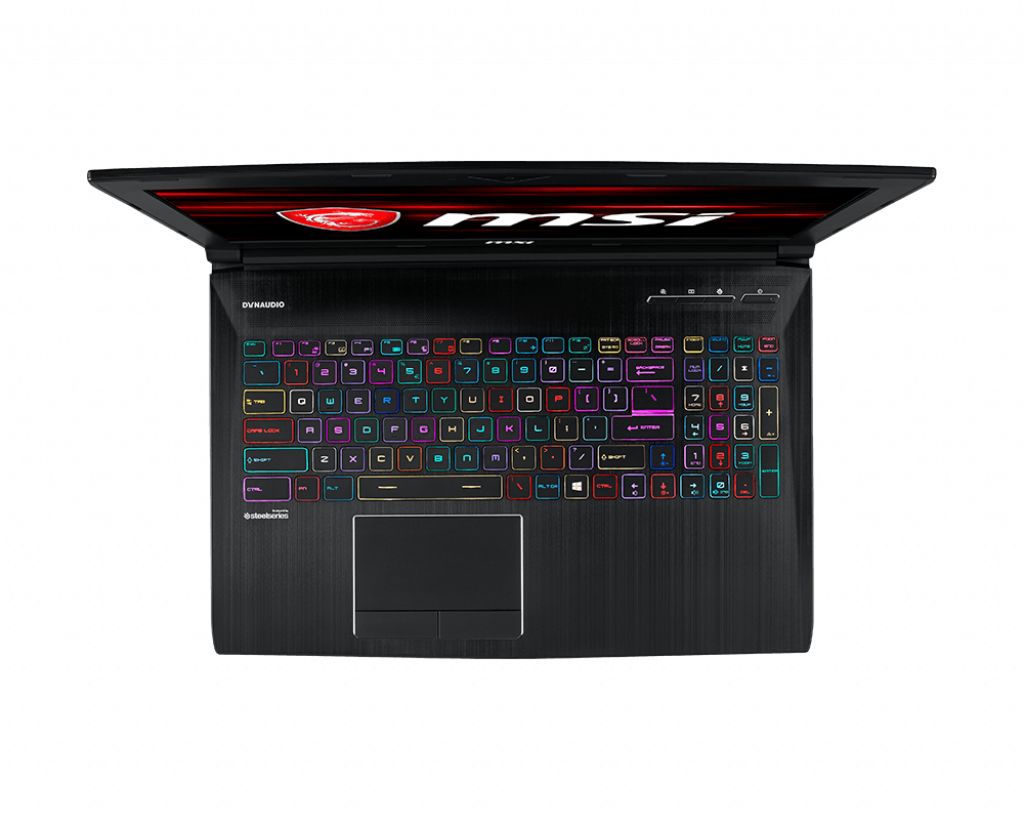
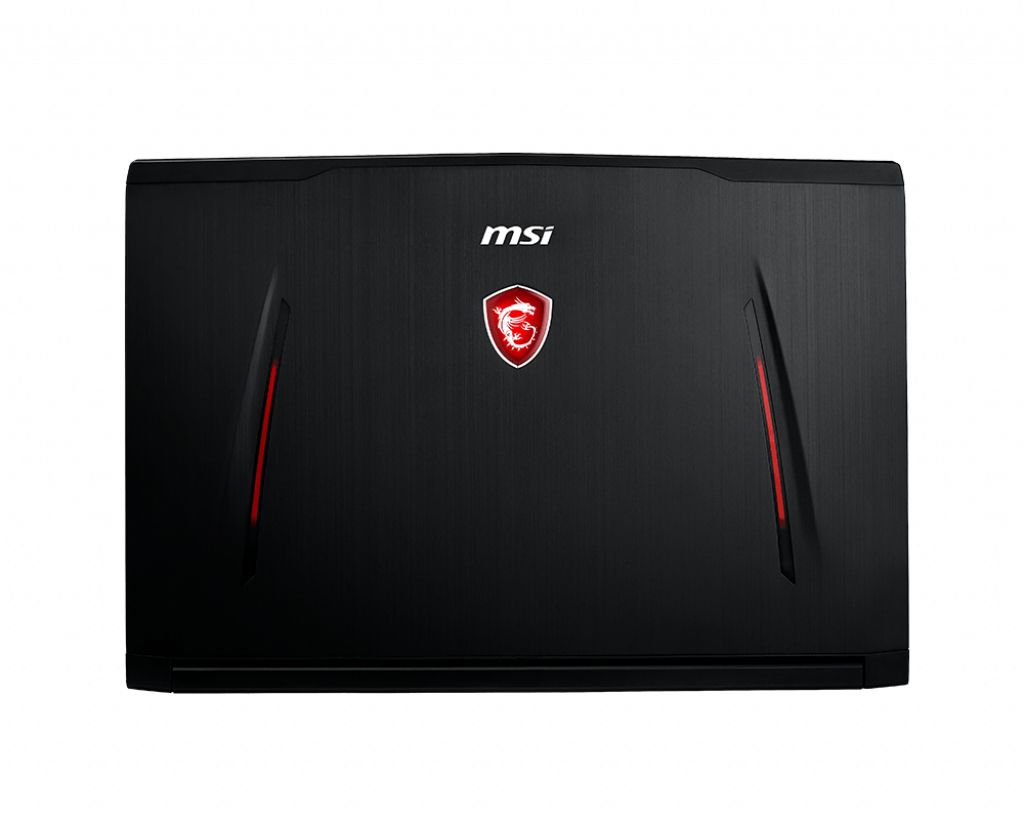
The MSI GT63 Titan 9SG-044 Gaming series laptop features DDR4-SDRAM memory upgrade specifications. The device contains 4x SO-DIMM slots for RAM expansion. Maximum memory capacity reaches 128 GB total. Compatible memory modules operate at 2666 MHz frequency and utilize SO-DIMM form factor. Specifications support standard DDR4 upgrade components for enhanced performance in this MSI Gaming GT series model.
Memory Upgrade Specifications
| Specification | Value |
|---|---|
| Memory slots | 4x SO-DIMM |
| Form factor | SO-DIMM |
| Memory type | DDR4-SDRAM |
| Frequency | 2666 MHz |
| Maximum RAM | 128 GB |
| Voltage | 1.2V |
| Number of pins | 260-pin |
| Interface | PC4 |
| PC Speed Rating | PC4-2666 (PC4-21328) |
| Bandwidth | 21.3 GB/s |
| Laptop Release date | 19 April 2019 |
Additional Notes
- The MSI GT63 Titan 9SG-044 accepts desktop-class capacity despite using notebook-sized modules, eliminating concerns about storage limitations during intensive workloads or virtual machine deployment.
- The 2666 MHz specification indicates Intel 9th generation chipset constraints, where higher frequency modules will automatically downclock to this native speed regardless of rated specifications.
- Four physical slots enable dual-channel configurations at multiple capacity tiers, allowing incremental upgrades from 16 GB to 32 GB, 64 GB, or maximum capacity without replacing all modules simultaneously.
- SO-DIMM installation requires accessing the bottom panel rather than a dedicated compartment, necessitating complete device shutdown and proper grounding to prevent electrostatic damage to the memory controller.
- Mixing module capacities across pairs may force single-channel operation on mismatched banks, reducing effective bandwidth to approximately 21 GB/s from the theoretical 42 GB/s available in symmetric dual-channel mode.
- The 128 GB ceiling requires 4 modules at 32 GB each, a configuration that demands motherboard support for double-sided high-density chips and adequate clearance beneath the keyboard assembly.
- Non-ECC unbuffered modules are mandatory for consumer chipset compatibility, as registered or error-correcting variants will prevent POST completion despite physical socket compatibility.
- Voltage must remain at standard 1.2V specification, since gaming notebooks lack BIOS options for manual voltage adjustment and higher-voltage modules risk thermal throttling in confined cooling environments.
- CAS latency variations between CL19 and CL22 at this frequency produce negligible real-world impact in gaming scenarios, typically under 2% frame rate variance in memory-sensitive titles.
- Warranty preservation requires avoiding liquid metal thermal compound proximity during installation, as spillage onto SO-DIMM slots creates permanent electrical shorts not covered under standard protection plans.