MSI Gaming GT70 2PE-1201BE Dominator Pro RAM upgrade specifications
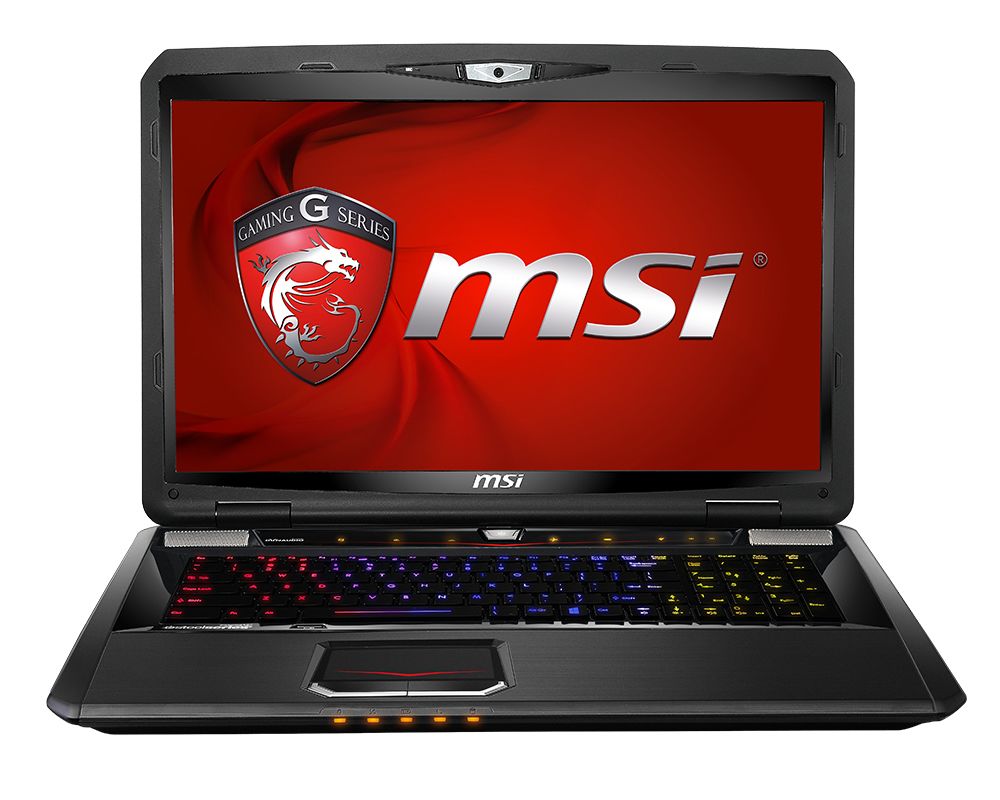
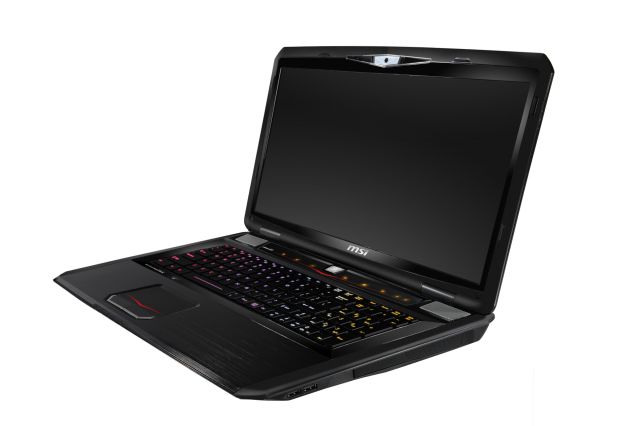
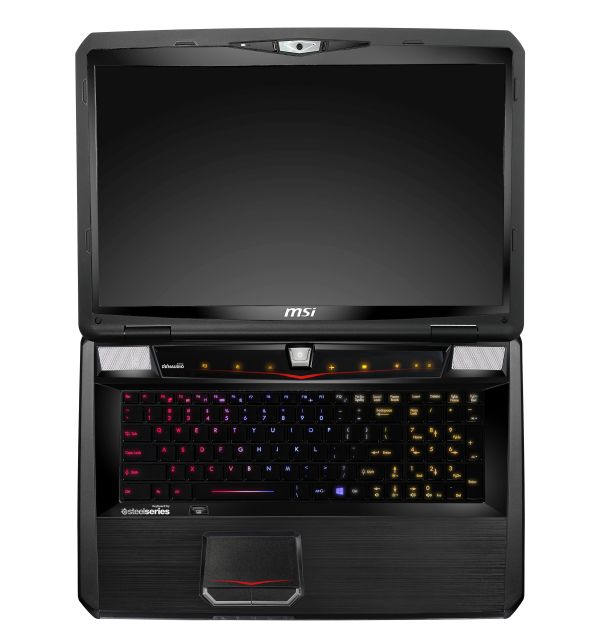
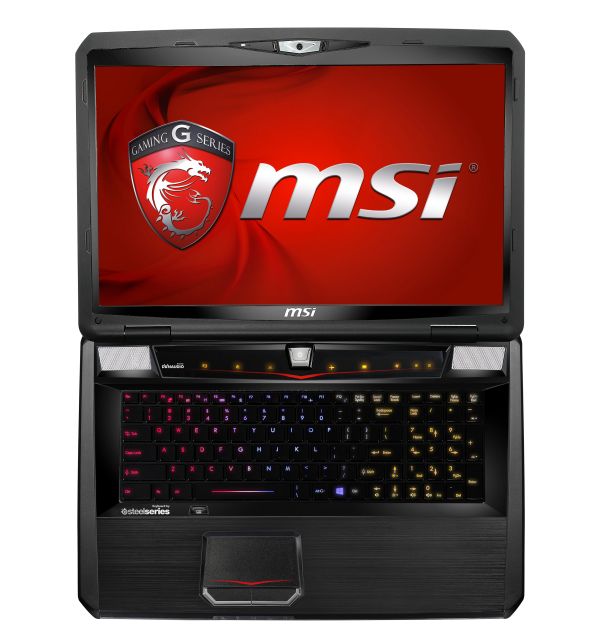
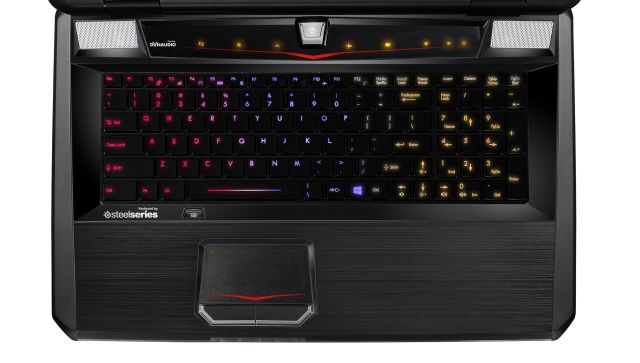
MSI GT70 2PE-1201BE Dominator Pro gaming laptop supports DDR3L-SDRAM memory upgrades through four SO-DIMM slots. The system accommodates a maximum capacity of 32 GB RAM at 1600 MHz frequency. Compatible memory modules utilize SO-DIMM form factor specifications. Upgrade options enable expansion of the GT series Dominator Pro model's memory capacity for enhanced performance specifications.
Memory Upgrade Specifications
| Specification | Value |
|---|---|
| Memory slots | 4x SO-DIMM |
| Form factor | SO-DIMM |
| Memory type | DDR3L-SDRAM |
| Frequency | 1600 MHz |
| Maximum RAM | 32 GB |
| Voltage | 1.35V (Low Voltage) |
| Number of pins | 204-pin |
| Interface | PC3L |
| PC Speed Rating | PC3L-1600 (PC3L-12800) |
| Bandwidth | 12.8 GB/s |
| Laptop Release date | 19 March 2014 |
Additional Notes
- The DDR3L low voltage requirement indicates standard DDR3 modules will create electrical incompatibility, potentially causing boot failures or system instability.
- The 4-slot configuration enables dual-channel operation through paired installation, where mismatched modules across channels will force all memory to operate at the slowest installed speed.
- 32 GB ceiling requires 4 modules of 8 GB capacity each, as individual SO-DIMM density limitations prevent using 2 modules to reach maximum capacity.
- 1600 MHz represents the PC3-12800 standard, meaning faster modules will downclock automatically but provide no performance benefit beyond rated specification.
- SO-DIMM form factor physically prohibits desktop DIMM installation due to reduced pin count and length differential of approximately 40 mm.
- DDR3L architecture necessitates 1.35V modules rather than standard 1.5V variants, though some dual-voltage modules maintain backward compatibility.
- Accessing all 4 slots in the MSI GT70 2PE-1201BE Dominator Pro requires removing the bottom service panel, with potential warranty implications if factory seals are present.
- Single-channel population leaves half the memory bandwidth unused, reducing integrated graphics performance and memory-intensive application throughput by approximately 50 percent.
- The installed chipset does not support DDR4, making any future transition to newer memory technology impossible without motherboard replacement.
- Mixed-density configurations remain functional but eliminate flex mode advantages, forcing the controller into standard dual-channel operation with potential capacity asymmetry.