MSI Gaming GT70-2PEx32SR231BW (Dominator Pro) RAM upgrade specifications
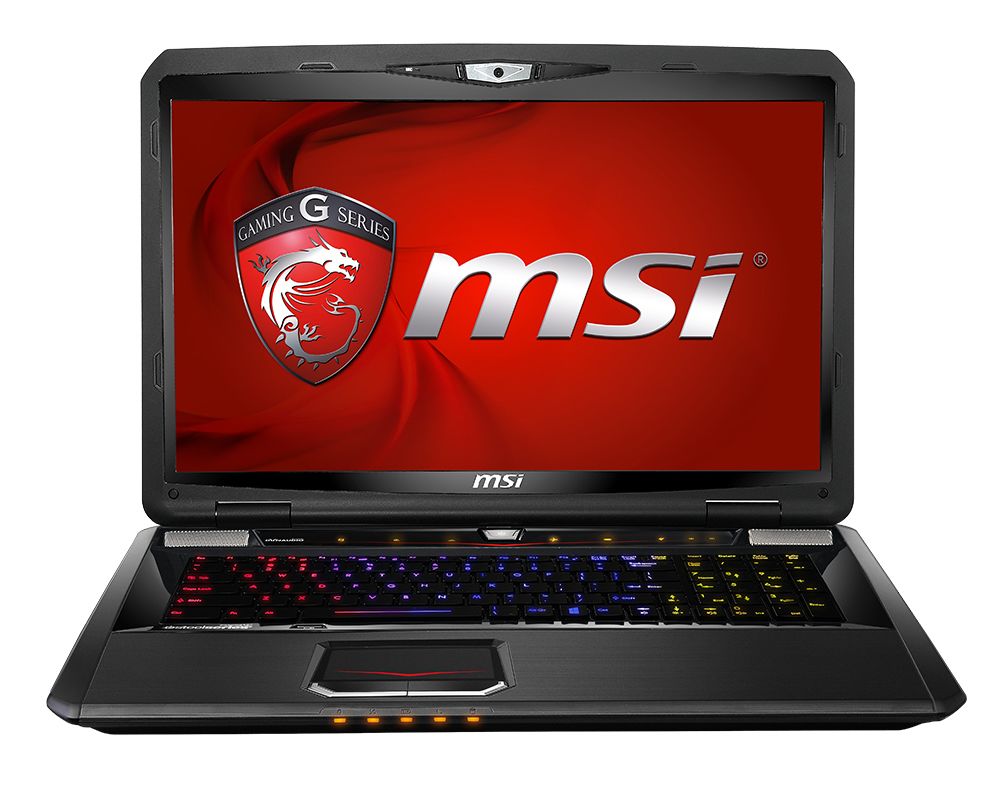
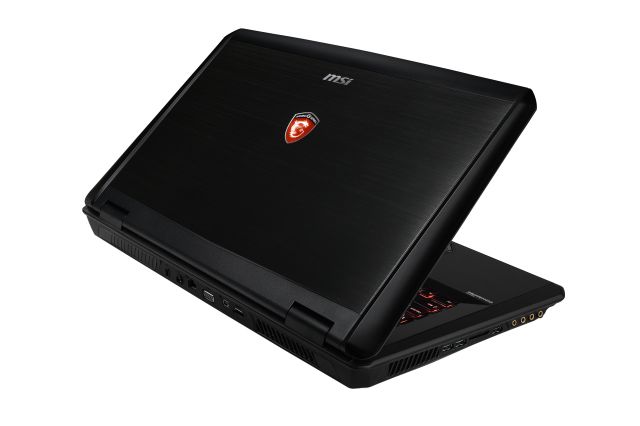
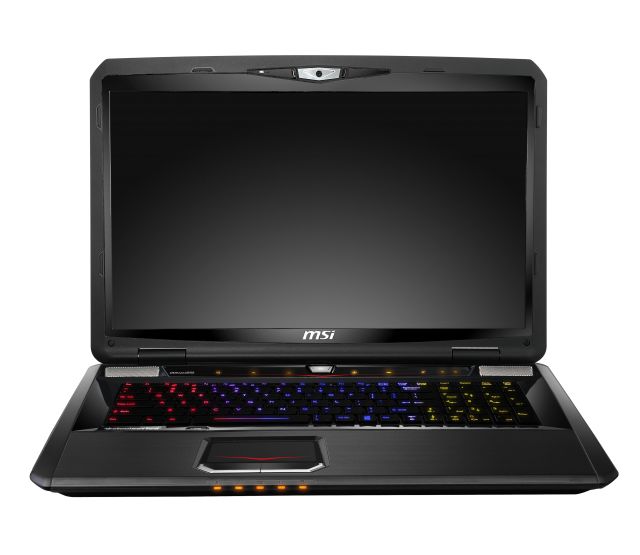
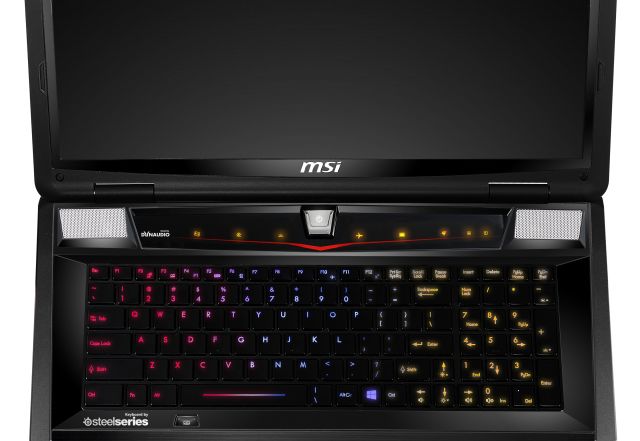
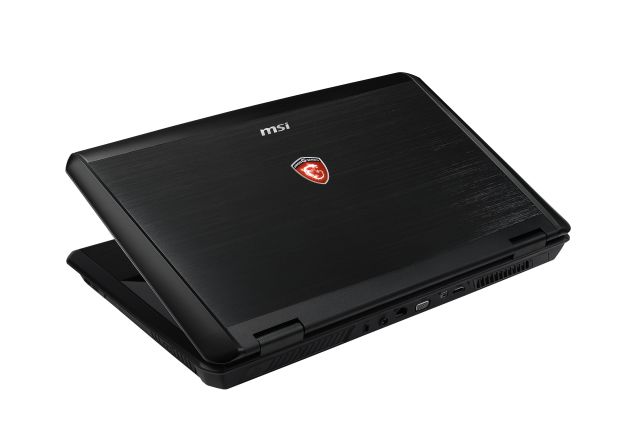
MSI GT70-2PEx32SR231BW Dominator Pro gaming laptop supports DDR3L-SDRAM memory upgrades. The Gaming GT series model features 4 SO-DIMM slots with maximum RAM capacity of 32 GB. Compatible memory specifications include DDR3L-SDRAM operating at 1600 MHz frequency. Upgrade slots accommodate SO-DIMM form factor modules. Maximum memory configuration delivers 32 GB total capacity for enhanced system performance in gaming applications.
Memory Upgrade Specifications
| Specification | Value |
|---|---|
| Memory slots | 4x SO-DIMM |
| Form factor | SO-DIMM |
| Memory type | DDR3L-SDRAM |
| Frequency | 1600 MHz |
| Maximum RAM | 32 GB |
| Voltage | 1.35V (Low Voltage) |
| Number of pins | 204-pin |
| Interface | PC3L |
| PC Speed Rating | PC3L-1600 (PC3L-12800) |
| Bandwidth | 12.8 GB/s |
| Laptop Release date | 12 March 2014 |
Additional Notes
- The MSI GT70-2PEx32SR231BW Dominator Pro contains 4 SO-DIMM slots with a combined maximum addressable capacity of 32 GB, which constrains practical memory configurations to 8 GB per module for full population.
- DDR3L-SDRAM operation at 1600 MHz represents a bandwidth ceiling of 12.8 GB/s per channel, creating potential throughput limitations when paired with high-end discrete GPUs that may saturate memory buses during texture-heavy gaming workloads.
- SO-DIMM form factor mandates use of laptop-specific modules rather than full-size UDIMM variants, restricting upgrade sourcing to specialized memory suppliers and eliminating compatibility with standard desktop memory stock.
- The 1600 MHz specification reflects locked JEDEC standard timing, preventing manual frequency overclocking to achieve higher bandwidth, though timings may be tightened within SPD specification windows without warranty violation.
- DDR3L voltage tolerance (1.35 V nominal) requires explicit verification on replacement modules, as standard DDR3 variants at 1.5 V may cause controller instability or thermal runaway in the laptop's thermal envelope.
- Four-slot architecture creates a single point of failure risk; removal of any defective module reduces functional capacity by 25 percent until replacement, unlike dual-slot systems that allow continued operation at reduced capacity.
- Installation requires complete system shutdown and battery disconnection due to SO-DIMM accessibility on gaming laptops, with thermal paste reapplication on the heatspreader recommended to maintain GPU thermal performance post-upgrade.