MSI Gaming GT72S-6QECHG32SR451BW Dominator Pro G RAM upgrade specifications
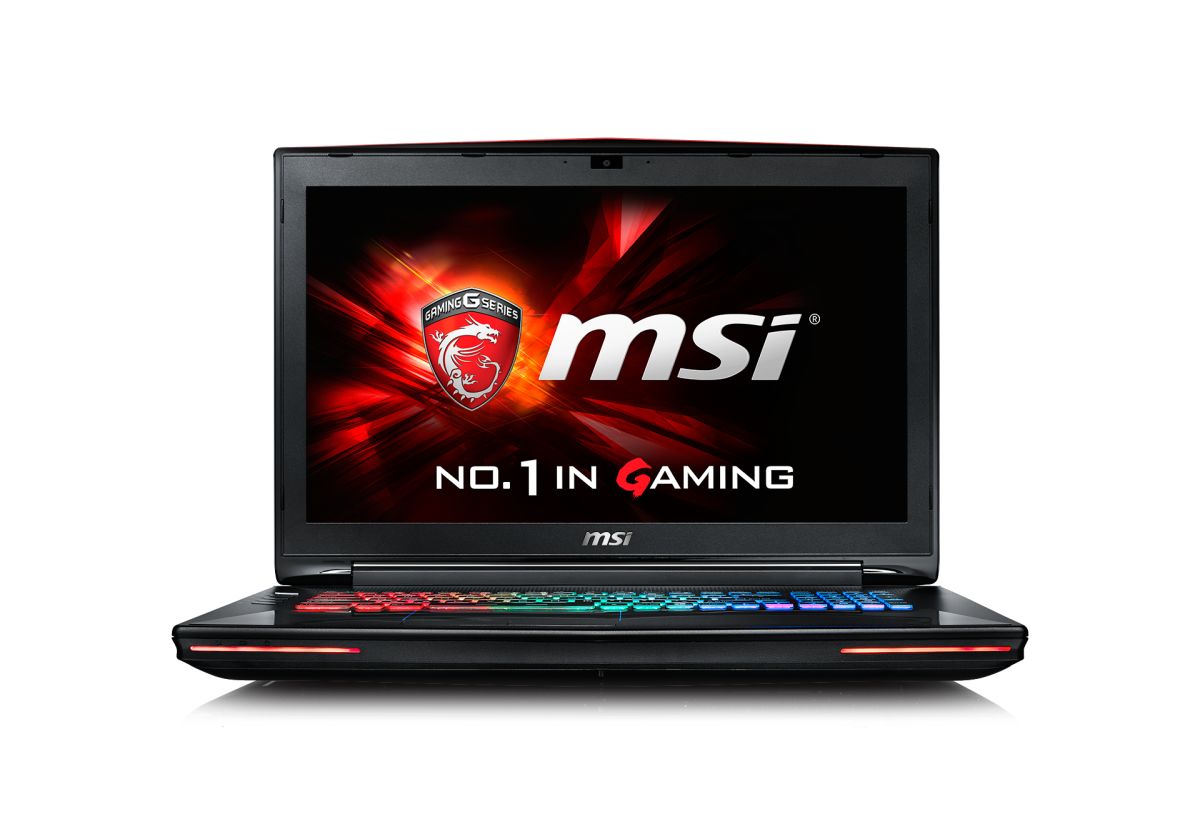
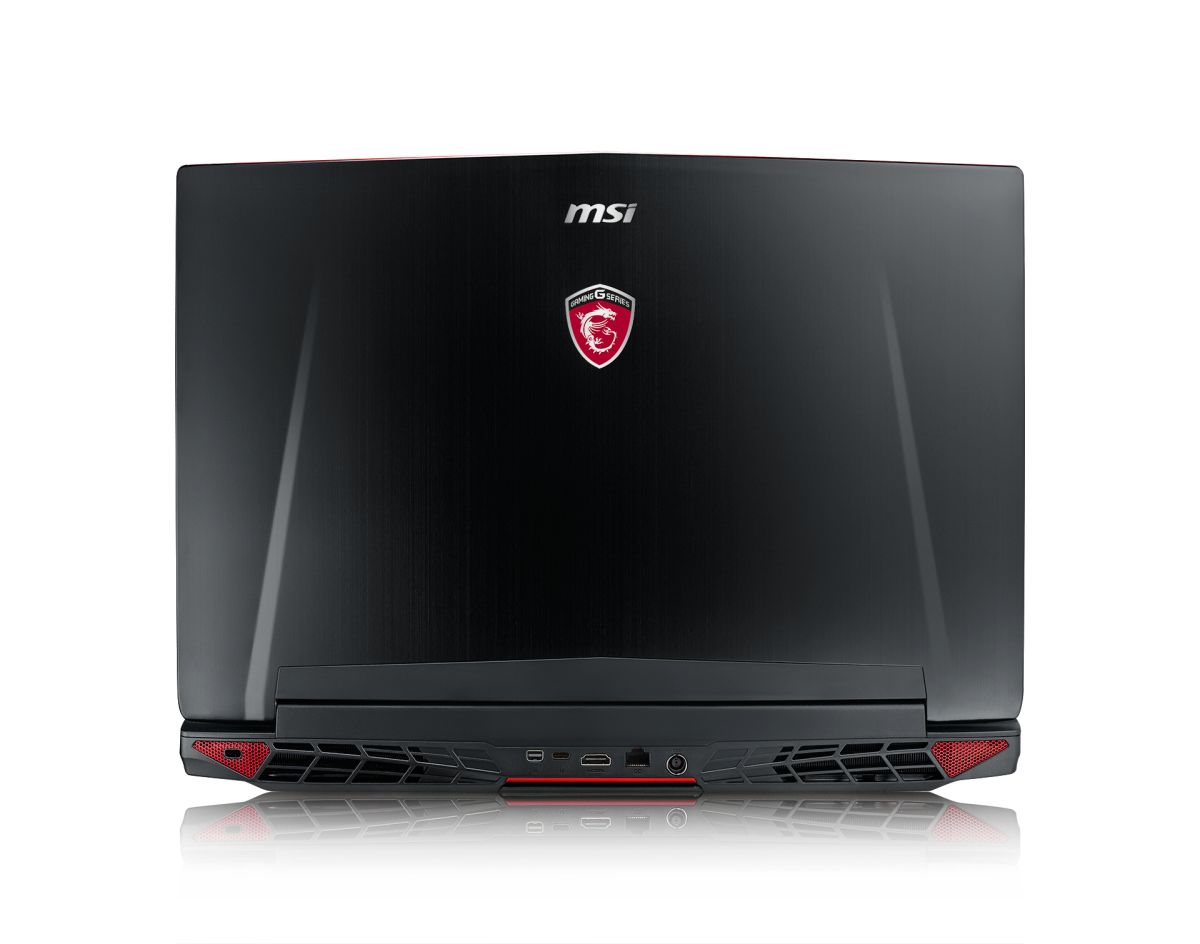
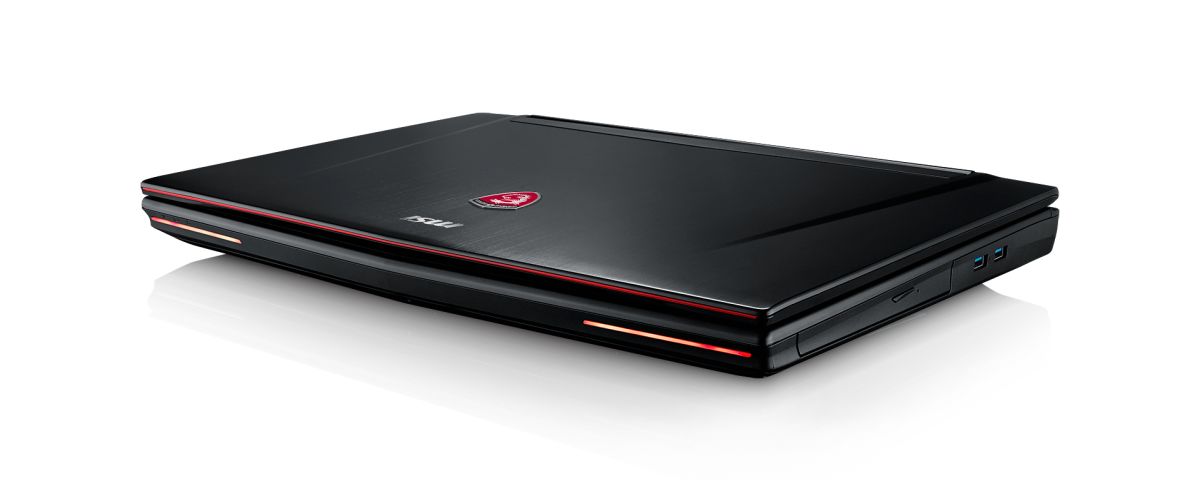
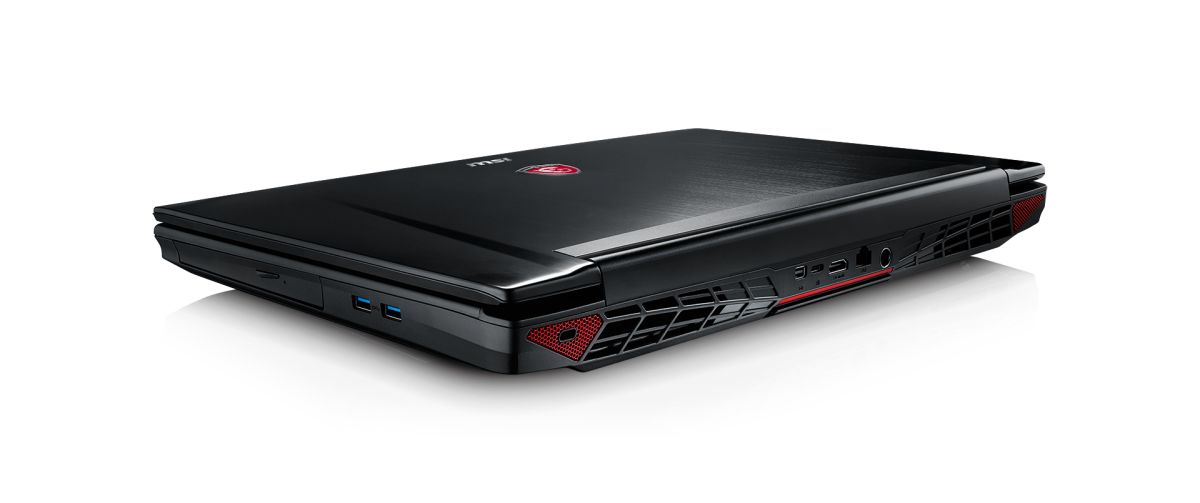
MSI GT72S-6QECHG32SR451BW Dominator Pro G gaming laptop supports DDR4-SDRAM memory upgrades. The system features 4 SO-DIMM memory slots with maximum RAM capacity of 64 GB. Compatible memory operates at 2133 MHz frequency. Specifications indicate support for SO-DIMM form factor modules. The GT series Dominator Pro G platform accommodates memory upgrades to reach the maximum 64 GB configuration across the available upgrade slots.
Memory Upgrade Specifications
| Specification | Value |
|---|---|
| Memory slots | 4x SO-DIMM |
| Form factor | SO-DIMM |
| Memory type | DDR4-SDRAM |
| Frequency | 2133 MHz |
| Maximum RAM | 64 GB |
| Voltage | 1.2V |
| Number of pins | 260-pin |
| Interface | PC4 |
| PC Speed Rating | PC4-2133 (PC4-17064) |
| Bandwidth | 17.1 GB/s |
| Laptop Release date | 09 February 2018 |
Additional Notes
- Accessing the secondary pair of memory slots in the MSI GT72S-6QECHG32SR451BW Dominator Pro G requires deep disassembly because these sockets are located on the underside of the mainboard beneath the keyboard assembly.
- Mixing modules with different internal timings or ranks will force the memory controller to downclock to the slowest common denominator which impacts the effective bandwidth of the quad-slot configuration.
- The 64 capacity limit necessitates the use of 16 density modules in every available socket to achieve peak memory overhead for heavy multitasking or rendering workloads.
- Populating all 4 sockets allows the system to operate in a dual-channel interleaved mode which improves data throughput compared to single or asymmetric channel setups.
- Installing memory modules with speeds exceeding 2133 will not yield performance gains as the hardware chipset locks the frequency to the maximum specified clock rate.
- Upgrading the two user-accessible slots under the bottom maintenance hatch is a warranty-safe procedure provided the factory seal on the internal chassis screws remains intact during deeper component access.
- Thermal dissipation for the memory modules relies on passive airflow within the chassis meaning high-voltage overcloking modules may encounter stability issues due to localized heat buildup.