MSI Gaming GT72VR 7RD(Dominator)-439NE RAM upgrade specifications
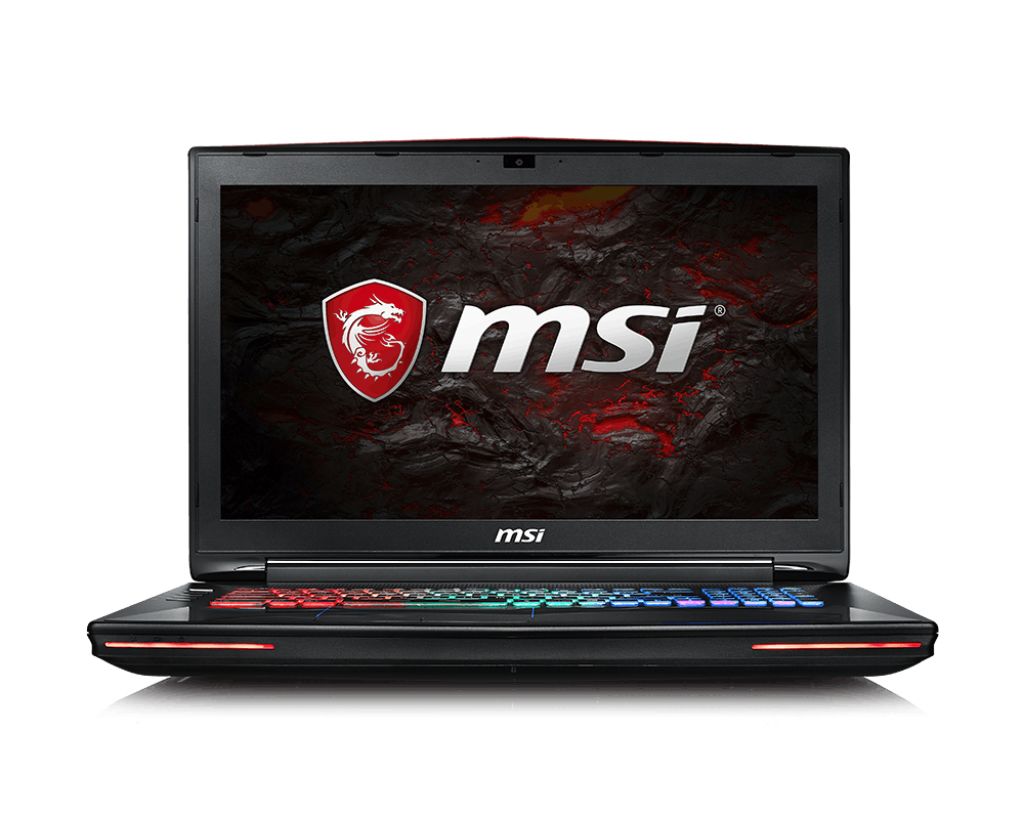
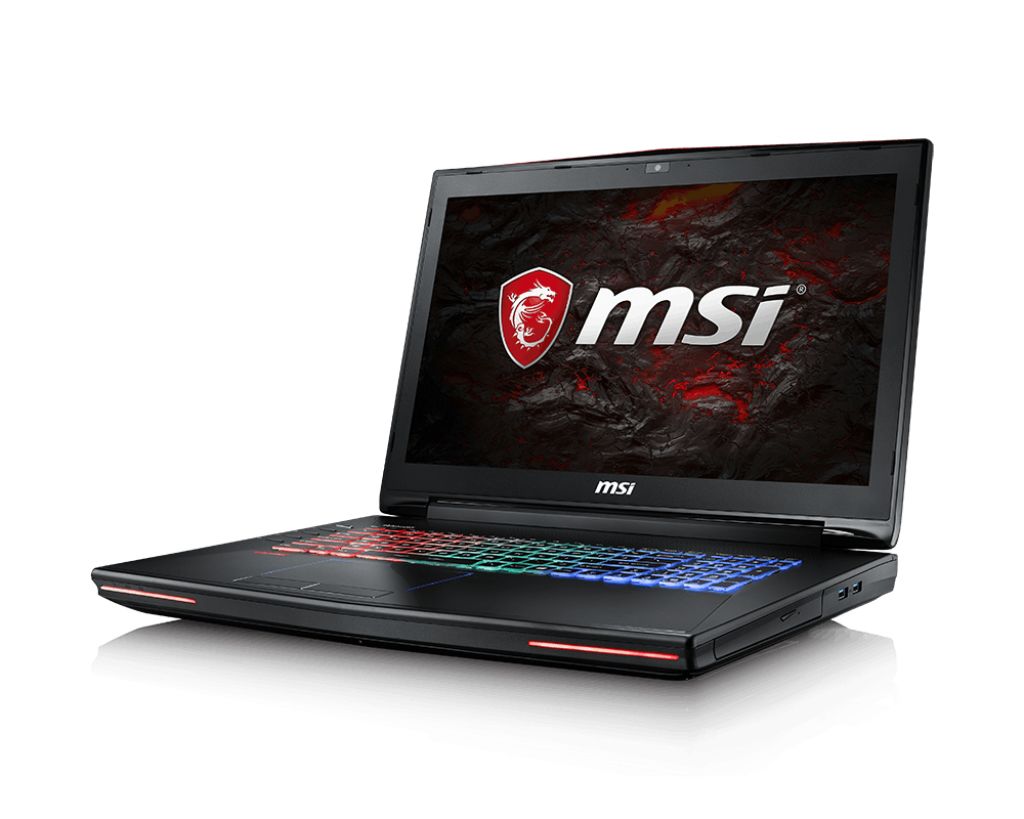
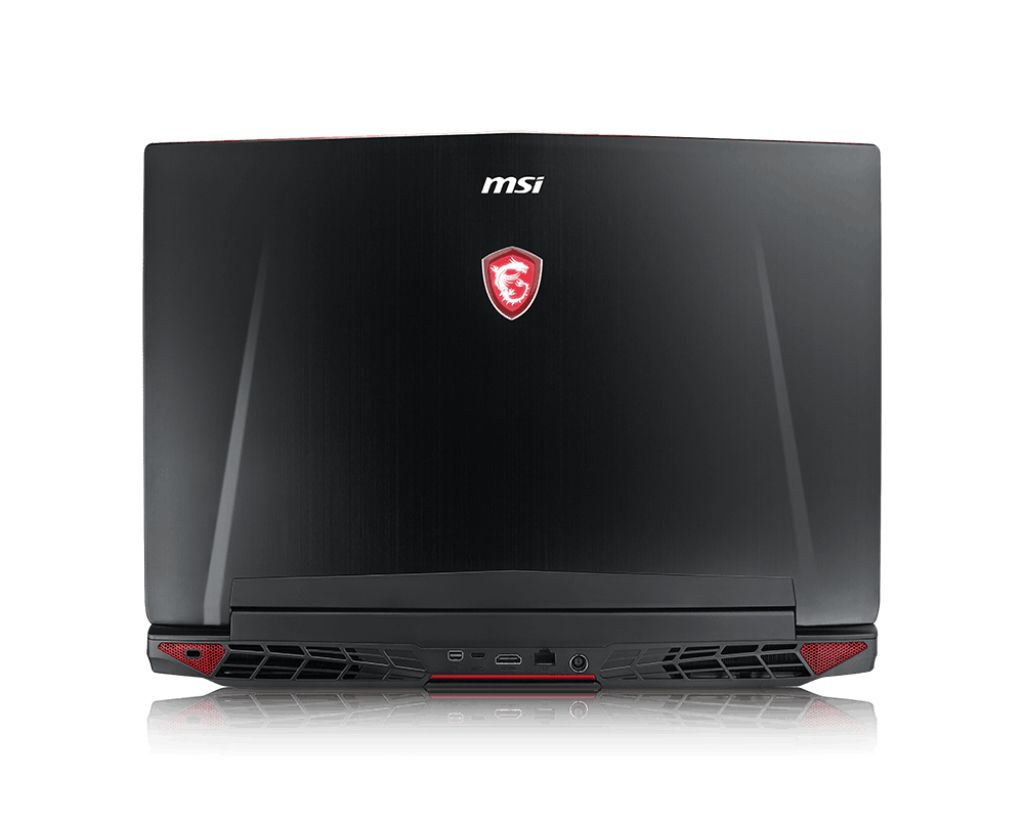
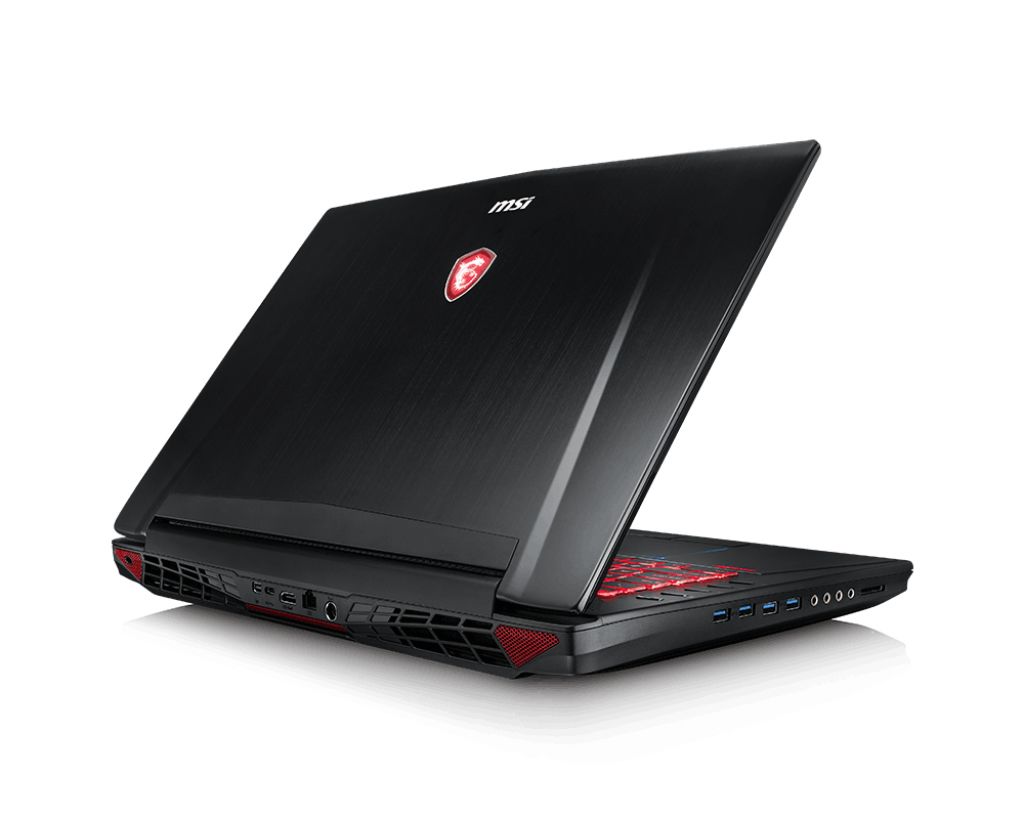
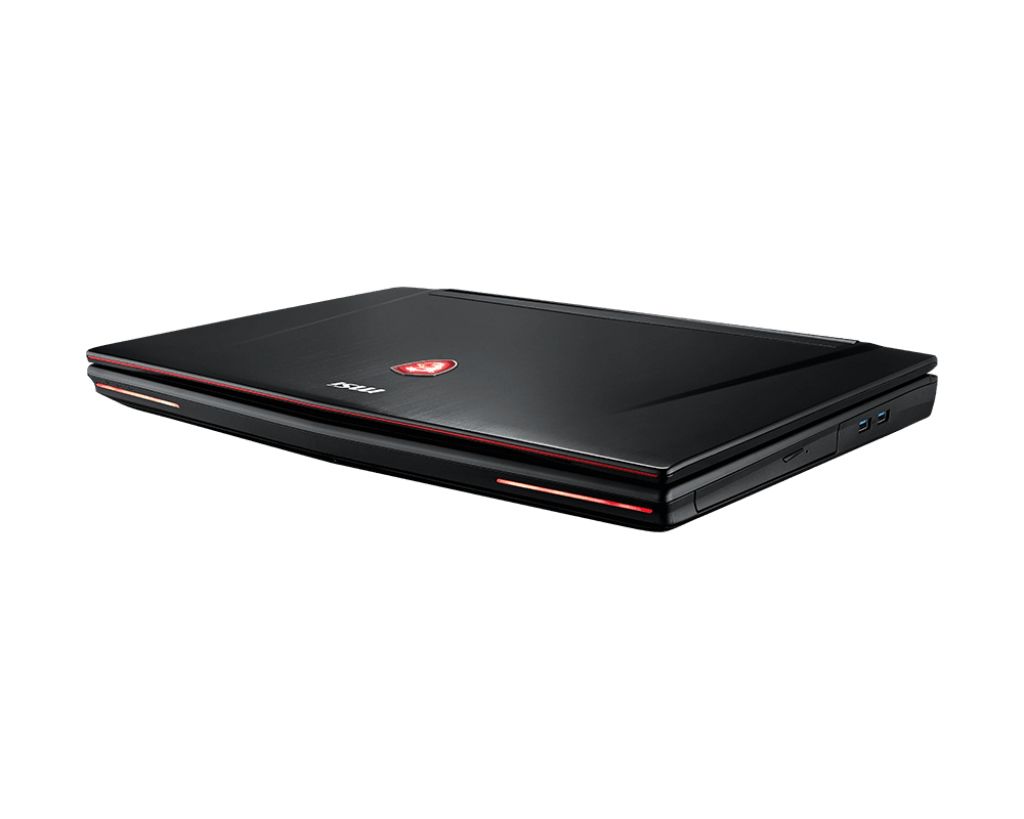
MSI GT72VR 7RD(Dominator)-439NE gaming laptop RAM upgrade specifications include DDR4-SDRAM memory compatible with 4x SO-DIMM slots. Maximum upgrade capacity reaches 64 GB total, with compatible modules operating at 2400 MHz frequency. SO-DIMM form factor specifications support memory expansion for enhanced performance on the GT series gaming platform.
Memory Upgrade Specifications
| Specification | Value |
|---|---|
| Memory slots | 4x SO-DIMM |
| Form factor | SO-DIMM |
| Memory type | DDR4-SDRAM |
| Frequency | 2400 MHz |
| Maximum RAM | 64 GB |
| Voltage | 1.2V |
| Number of pins | 260-pin |
| Interface | PC4 |
| PC Speed Rating | PC4-2400 (PC4-19200) |
| Bandwidth | 19.2 GB/s |
| Laptop Release date | 10 January 2017 |
Additional Notes
- The MSI GT72VR Dominator supports quad-channel memory architecture across 4 SO-DIMM slots, enabling symmetric dual-module configurations that maximize bandwidth utilization for GPU-accelerated workloads typical in this gaming platform.
- DDR4-2400 frequency operates below the native speed ceiling of 7th-generation Intel processors paired with this chassis, creating a potential 400 MHz bandwidth deficit compared to DDR4-2800 or DDR4-3000 modules if the BIOS supports higher SPD profiles.
- SO-DIMM form factor restricts upgrades exclusively to laptop-grade modules, preventing compatibility with desktop DDR4 memory and eliminating cost-effective sourcing from general-purpose retail channels.
- The 64 GB maximum capacity indicates a 16 GB per-slot ceiling, requiring matching SO-DIMM density values to avoid mixed-capacity configurations that degrade interleaving efficiency and introduce latency asymmetry across the memory bus.
- Warranty-safe pathways for memory expansion typically permit replacement with manufacturer-certified SO-DIMM models at identical or lower voltage specifications; third-party modules operating at non-standard timings or voltage may trigger BIOS POST failures or thermal throttling events.
- Thermal proximity in laptop layouts necessitates low-profile heat-spreader designs for SO-DIMM modules, as standard-height variants risk obstruction of internal airflow channels and heatsink contact surfaces.