MSI Gaming GT72VR-286 DOMINATOR RAM upgrade specifications
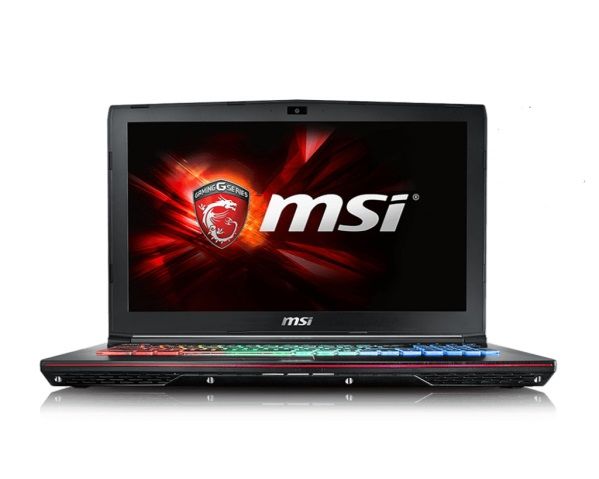
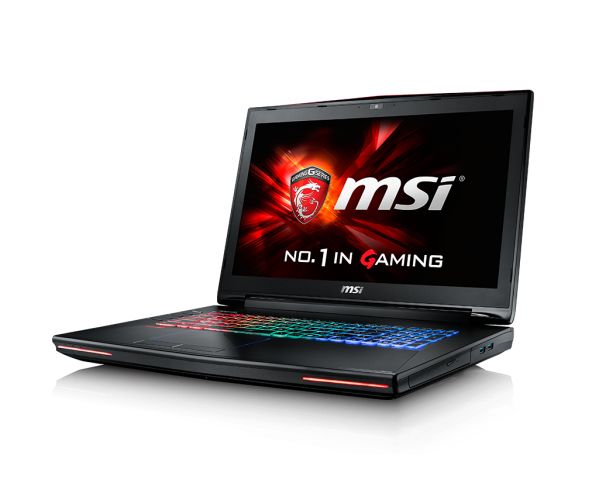
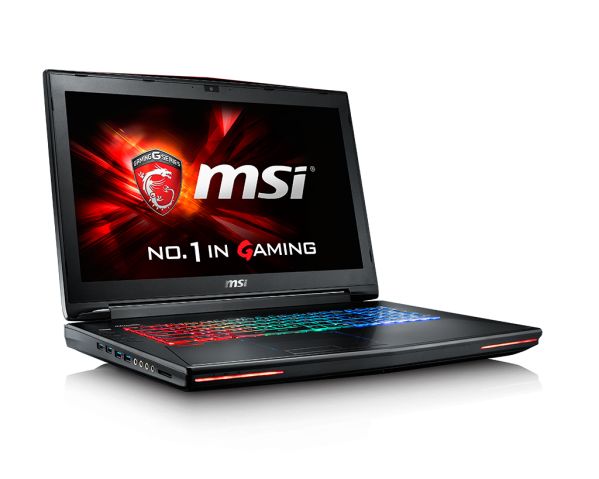
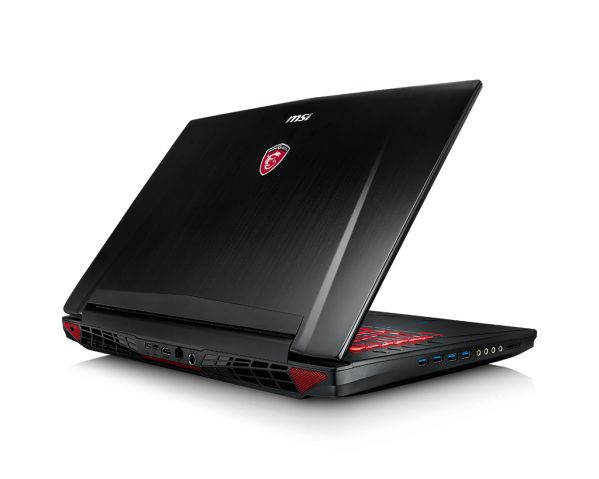
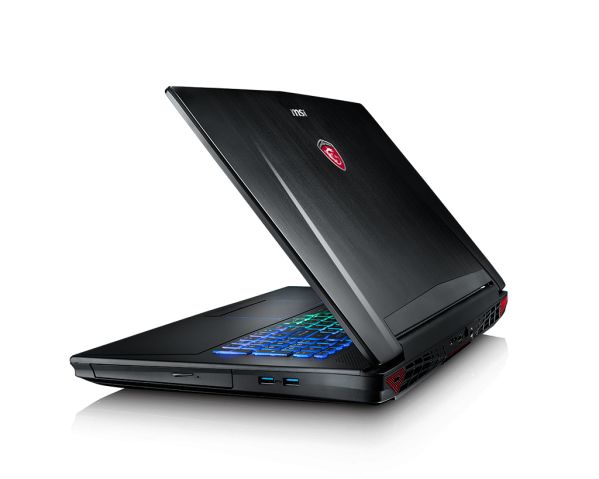
The MSI GT72VR-286 DOMINATOR gaming laptop features four SO-DIMM memory slots supporting DDR4-SDRAM upgrade capacity. Compatible RAM specifications accommodate a maximum of 64 GB total memory at 1886 MHz frequency. This MSI GT series model supports memory upgrades through its dual-channel configuration, enabling users to expand system RAM by replacing or supplementing existing SO-DIMM modules. Upgrade options range from single modules to full 64 GB configurations, depending on slot availability and current memory specifications installed in the GT72VR-286 DOMINATOR.
Memory Upgrade Specifications
| Specification | Value |
|---|---|
| Memory slots | 4x SO-DIMM |
| Form factor | SO-DIMM |
| Memory type | DDR4-SDRAM |
| Frequency | 1866 MHz |
| Maximum RAM | 64 GB |
| Voltage | 1.2V |
| Number of pins | 260-pin |
| Interface | PC4 |
| PC Speed Rating | PC4-1866 (PC4-14928) |
| Bandwidth | 14.9 GB/s |
| Laptop Release date | 02 October 2016 |
Additional Notes
- The 4 SO-DIMM configuration in the MSI GT72VR-286 DOMINATOR allows for asymmetric capacity distribution, enabling users to mix module sizes such as 2x16 GB with 2x8 GB to reach intermediate totals without replacing all modules simultaneously.
- DDR4-2133 and DDR4-2400 modules will function in this system but downclock to 1866 MHz, as the memory controller enforces the lowest common frequency across all populated slots.
- The 64 GB ceiling requires 4x16 GB modules, as no single SO-DIMM DDR4 module exceeds 16 GB in consumer-grade configurations compatible with this generation's chipset.
- Dual-channel architecture activates only when modules populate slots in matched pairs, meaning configurations like 3 modules will leave one channel operating in single-channel mode with reduced bandwidth.
- Non-ECC unbuffered SO-DIMMs remain the only compatible type, as registered or ECC memory requires server-class controllers not present in mobile gaming platforms.
- Voltage specification locks at 1.2V for DDR4 standard, preventing use of low-voltage DDR3L SO-DIMMs despite physical slot similarity.
- Single-rank versus dual-rank module topology affects maximum capacity per slot at higher densities, though this distinction becomes relevant only when approaching the 64 GB limit with specific IC configurations.
- Thermal throttling risk increases with 4 fully populated slots under sustained workloads, as SO-DIMM density in confined laptop chassis limits passive cooling efficiency compared to desktop DIMM spacing.
- XMP profiles will not activate, as mobile platforms typically lack BIOS support for memory overclocking beyond JEDEC-standard frequencies.
- The 1866 MHz base frequency represents DDR4-1866 specification, translating to 14928 Mbps theoretical bandwidth per channel or approximately 29.9 GB/s aggregate in dual-channel mode before real-world latency penalties.