MSI Gaming GT73EVR 7RD-1027XES Titan RAM upgrade specifications
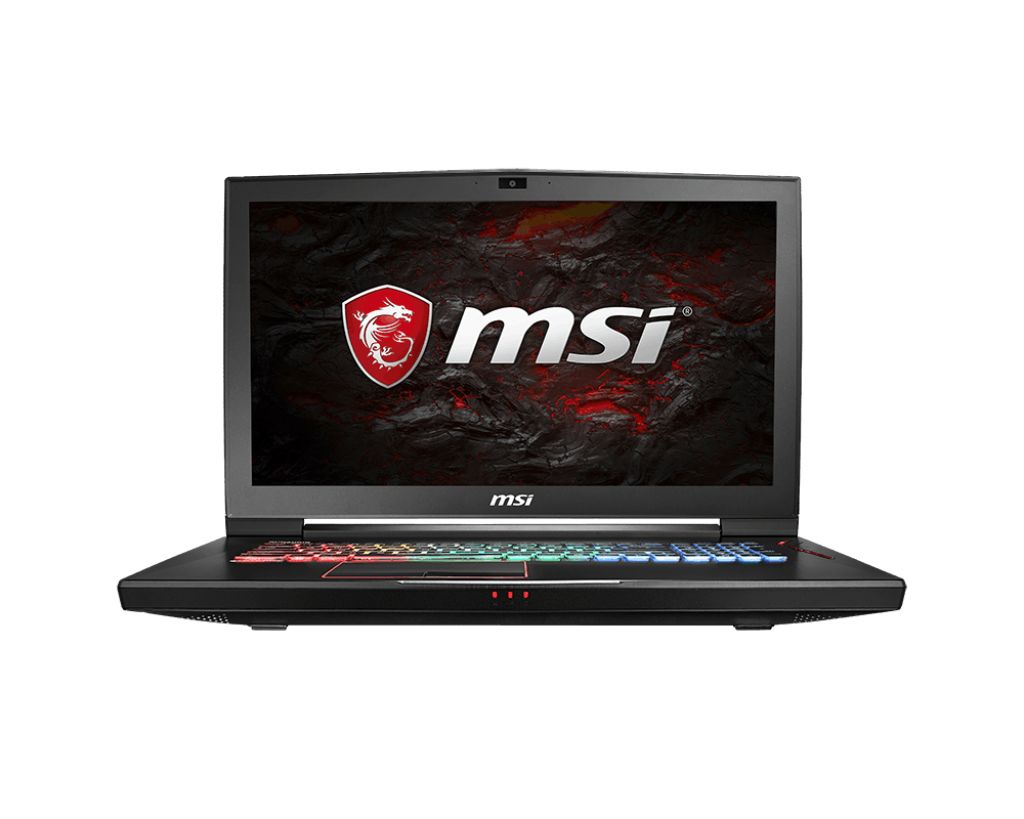
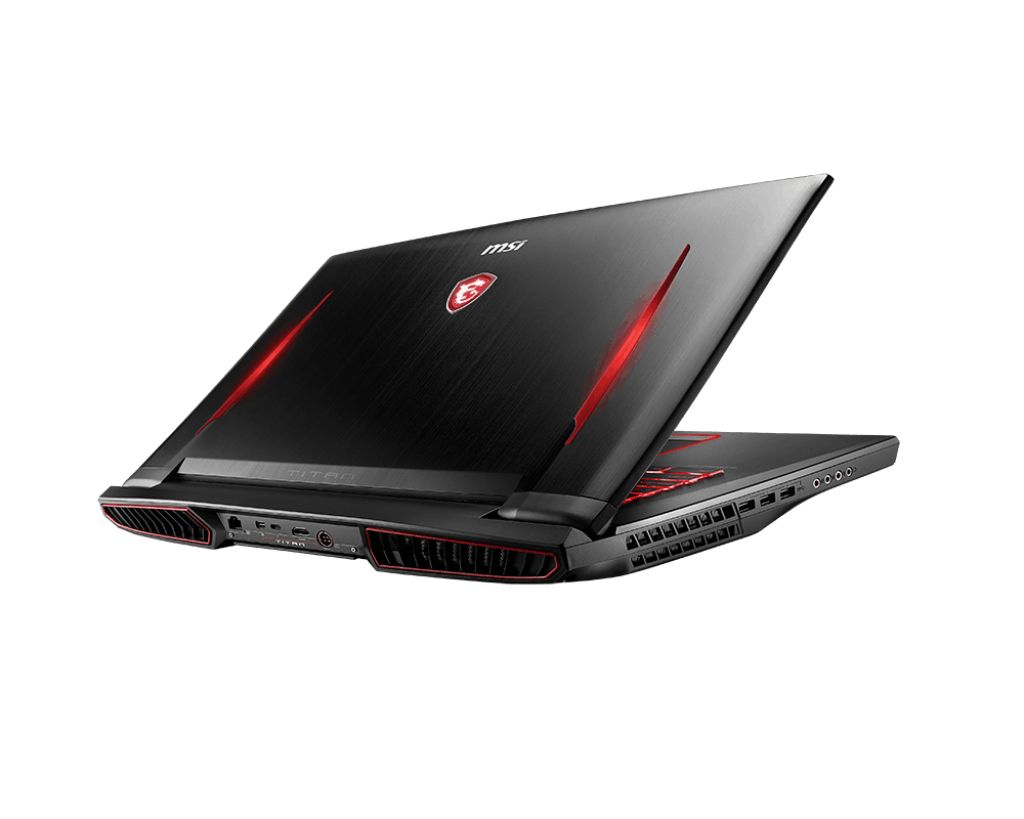
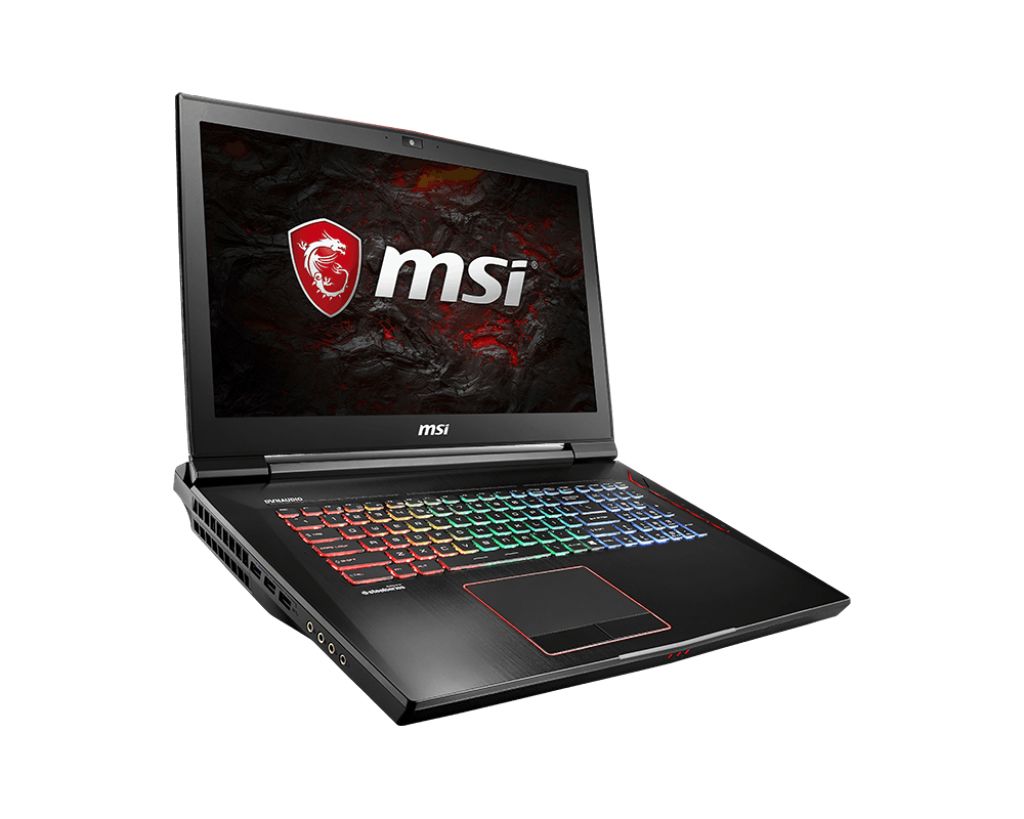
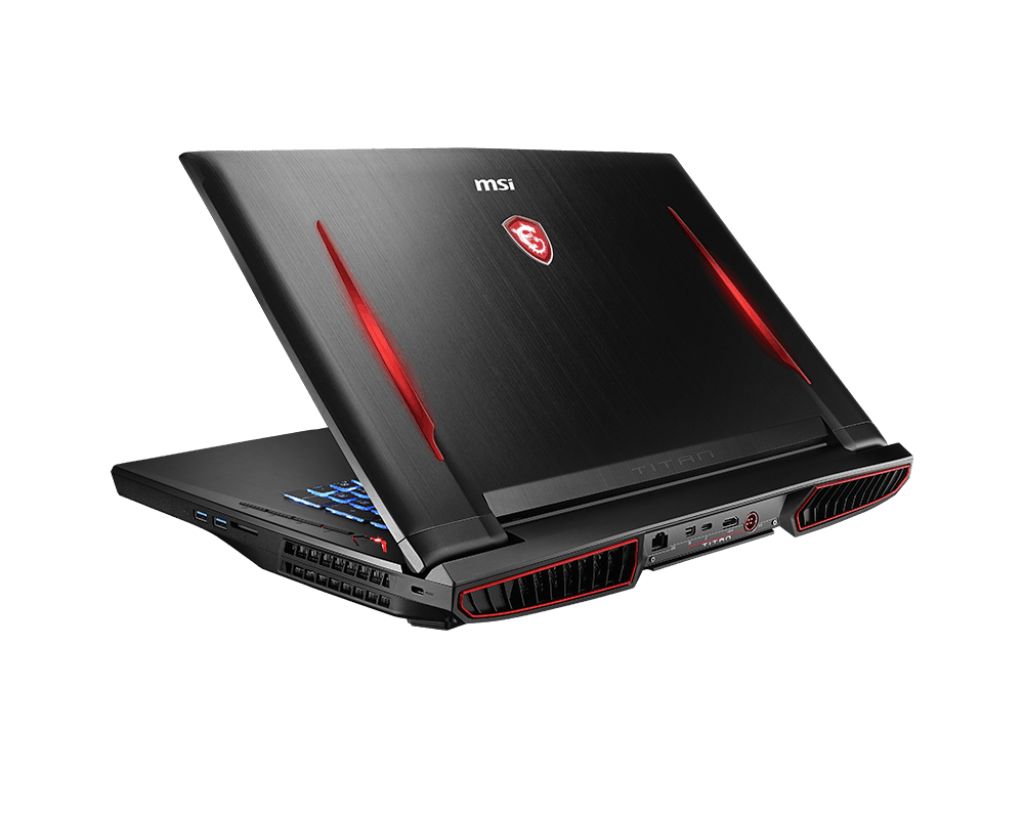
MSI GT73EVR 7RD-1027XES Titan gaming laptop supports DDR4-SDRAM memory upgrades across 4x SO-DIMM slots. Maximum RAM capacity reaches 64 GB with compatible memory modules operating at 2400 MHz frequency. The laptop specifications include SO-DIMM form factor slots for memory expansion, allowing users to upgrade from factory configurations to the maximum supported capacity of 64 GB total RAM. GT series gaming model offers flexible memory upgrade options within DDR4 specifications.
Memory Upgrade Specifications
| Specification | Value |
|---|---|
| Memory slots | 4x SO-DIMM |
| Form factor | SO-DIMM |
| Memory type | DDR4-SDRAM |
| Frequency | 2400 MHz |
| Maximum RAM | 64 GB |
| Voltage | 1.2V |
| Number of pins | 260-pin |
| Interface | PC4 |
| PC Speed Rating | PC4-2400 (PC4-19200) |
| Bandwidth | 19.2 GB/s |
| Laptop Release date | 13 January 2018 |
Additional Notes
- The 4 SO-DIMM configuration permits gradual capacity expansion without forcing immediate disposal of existing modules during partial upgrades.
- DDR4-2400 operates at 1.2V standard voltage, reducing thermal output compared to previous DDR3 generations that required 1.5V for similar workloads.
- The 64 GB ceiling reflects chipset memory controller limitations rather than physical slot availability, making module density selection critical for reaching maximum capacity.
- SO-DIMM modules measuring 67.6mm in length require clearance verification when installing aftermarket cooling solutions that extend beyond standard chassis boundaries.
- Mixing modules with different CAS latency timings forces all installed memory to operate at the slowest common denominator, potentially degrading performance below rated specifications.
- Non-ECC memory architecture prioritizes transfer speed over error correction, making this MSI GT73EVR 7RD-1027XES Titan configuration unsuitable for applications requiring data integrity verification.
- Peak theoretical bandwidth of 38.4 GB/s per channel assumes dual-channel population, while asymmetric configurations halve this throughput on unpaired modules.
- Intel 7th generation platform compatibility limits module frequency recognition beyond 2400 MHz unless manual XMP profile activation occurs through BIOS configuration.
- Rank organization affects maximum capacity per slot, with dual-rank modules potentially causing stability issues when populating all 4 slots at maximum density.
- Bottom-panel access design eliminates motherboard removal requirements during upgrades, though certain configurations may require keyboard assembly detachment for slot accessibility.
- Warranty preservation depends on avoiding physical damage to retention clips during module installation, as bent contacts constitute user-induced failure outside coverage terms.
- Modules lacking manufacturer-programmed SPD profiles may default to JEDEC standard 2133 MHz operation until manual timing adjustments restore rated performance.