MSI Gaming GT73EVR 7RE-839 Titan RAM upgrade specifications
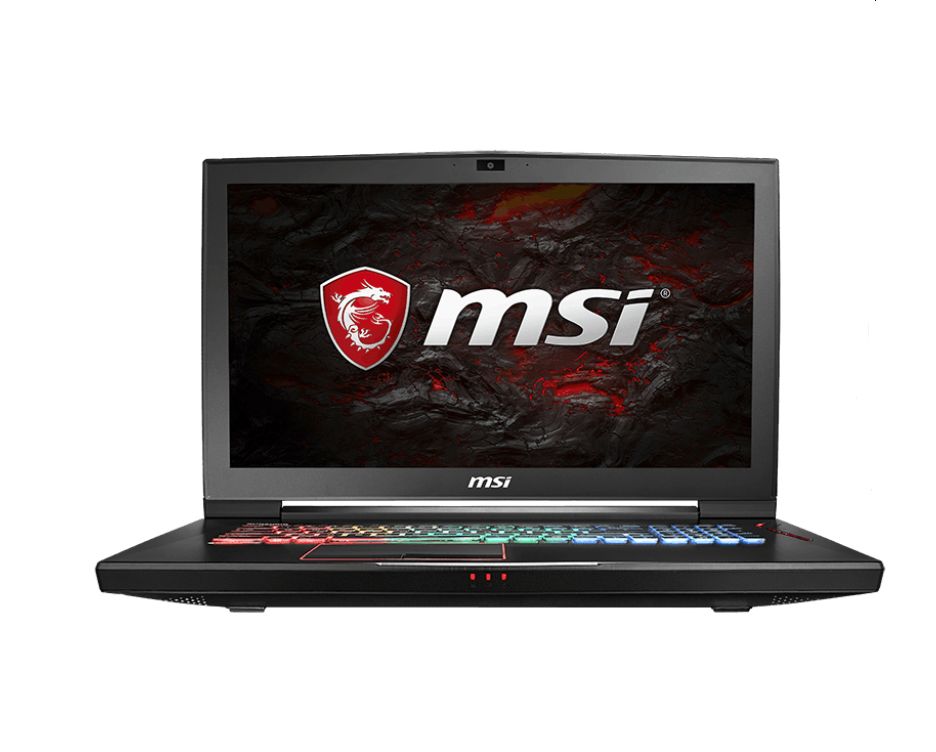
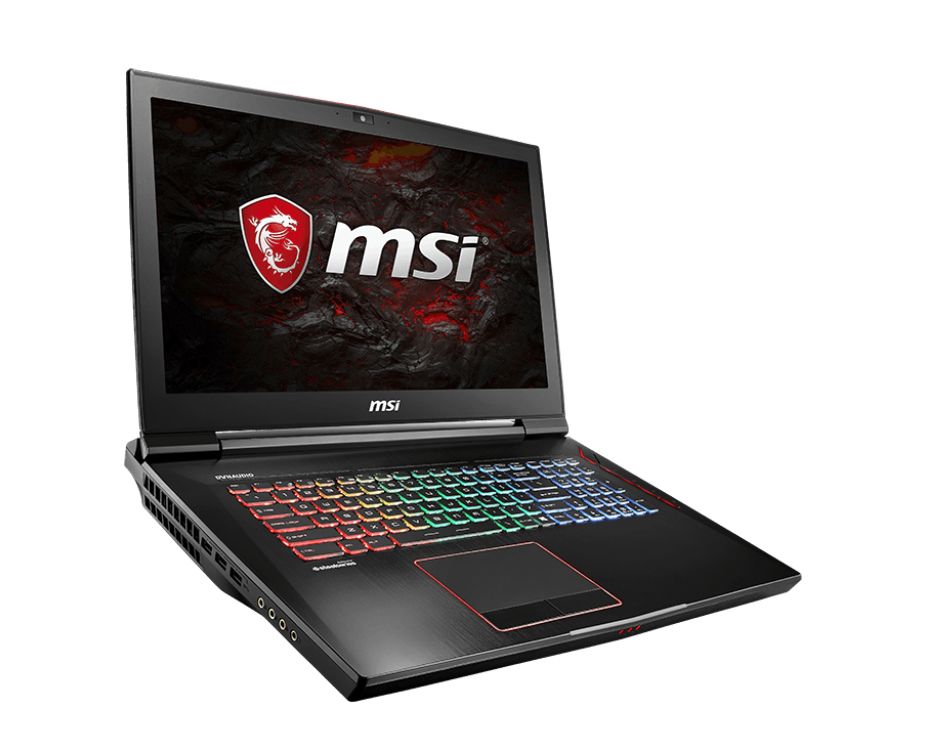
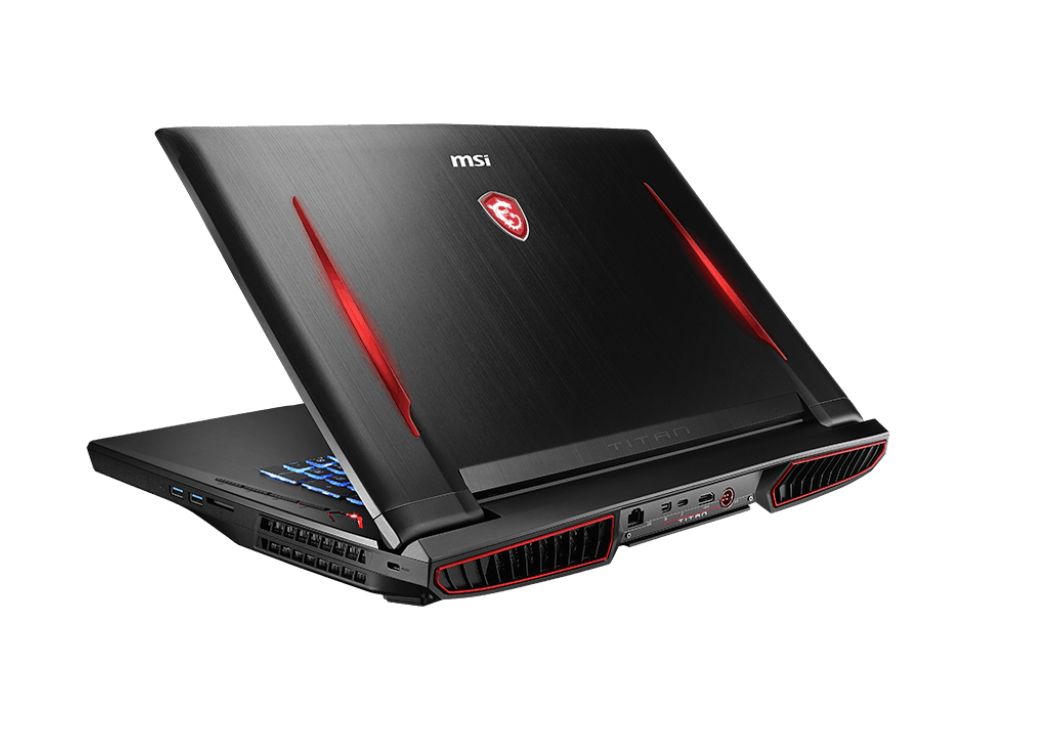
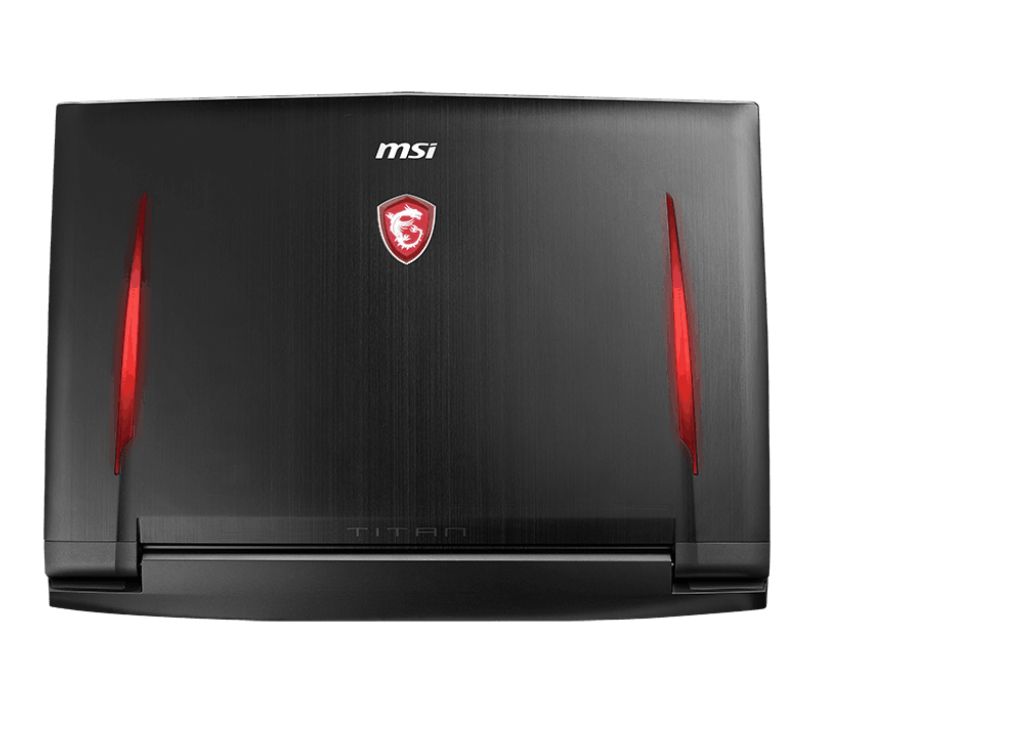
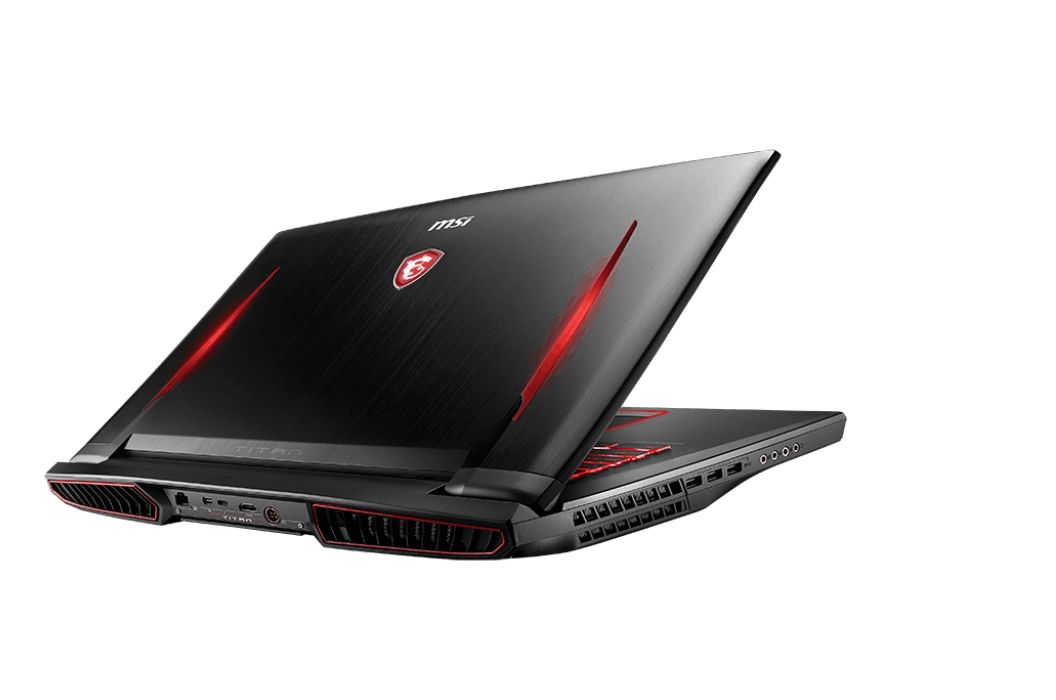
MSI GT73EVR 7RE-839 Titan gaming laptop features DDR4-SDRAM memory upgrade specifications. Four SO-DIMM slots accommodate maximum RAM capacity of 64 GB total memory. Compatible memory modules operate at 2400 MHz frequency. Upgrade specifications support DDR4 standard memory form factor for expanding system performance and multitasking capabilities on GT series gaming platform.
Memory Upgrade Specifications
| Specification | Value |
|---|---|
| Memory slots | 4x SO-DIMM |
| Form factor | SO-DIMM |
| Memory type | DDR4-SDRAM |
| Frequency | 2400 MHz |
| Maximum RAM | 64 GB |
| Voltage | 1.2V |
| Number of pins | 260-pin |
| Interface | PC4 |
| PC Speed Rating | PC4-2400 (PC4-19200) |
| Bandwidth | 19.2 GB/s |
| Laptop Release date | 01 July 2017 |
Additional Notes
- The MSI GT73EVR 7RE-839 Titan contains 4 SO-DIMM slots operating at 2400 MHz, which establishes a hard ceiling of 64 GB total capacity regardless of future DDR4 module availability at higher speeds.
- SO-DIMM modules rated for 2666 MHz, 3000 MHz, or higher frequencies will downclock to 2400 MHz when installed, eliminating performance gains from faster memory and negating cost premiums for premium-speed variants.
- The memory controller embedded in the 7th-generation Intel processor determines the 2400 MHz limitation; BIOS updates cannot unlock higher frequency support since frequency ceiling is hardware-bound rather than firmware-constrained.
- All 4 slots must remain populated to achieve 64 GB capacity, leaving no empty slots for future single-module expansion without removing existing memory and repurposing it elsewhere.
- Mixing matched pairs (2x16 GB + 2x8 GB, for example) may trigger dual-channel mode deactivation on one populated slot pair, reducing effective bandwidth from 4 channels to 2 channels and creating performance degradation in memory-intensive workloads.
- SO-DIMM sourcing remains viable through 2025+, unlike older form factors, ensuring warranty-safe replacement modules are commercially obtainable if module failure occurs.
- The gaming laptop's thermal design allocates minimal clearance above the SO-DIMM slots; aftermarket heatspreader-equipped modules may physically interfere with the laptop's base cover or internal airflow pathways during installation.