MSI Gaming GT73EVR 7RE-835ES Titan RAM upgrade specifications
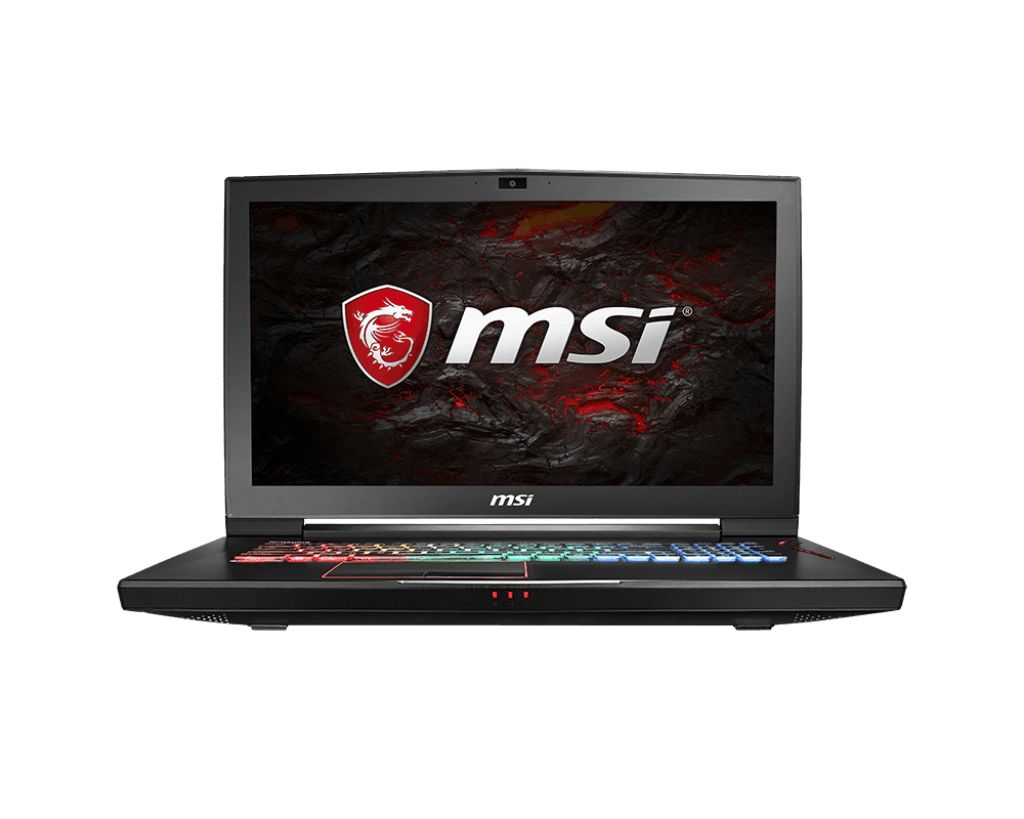
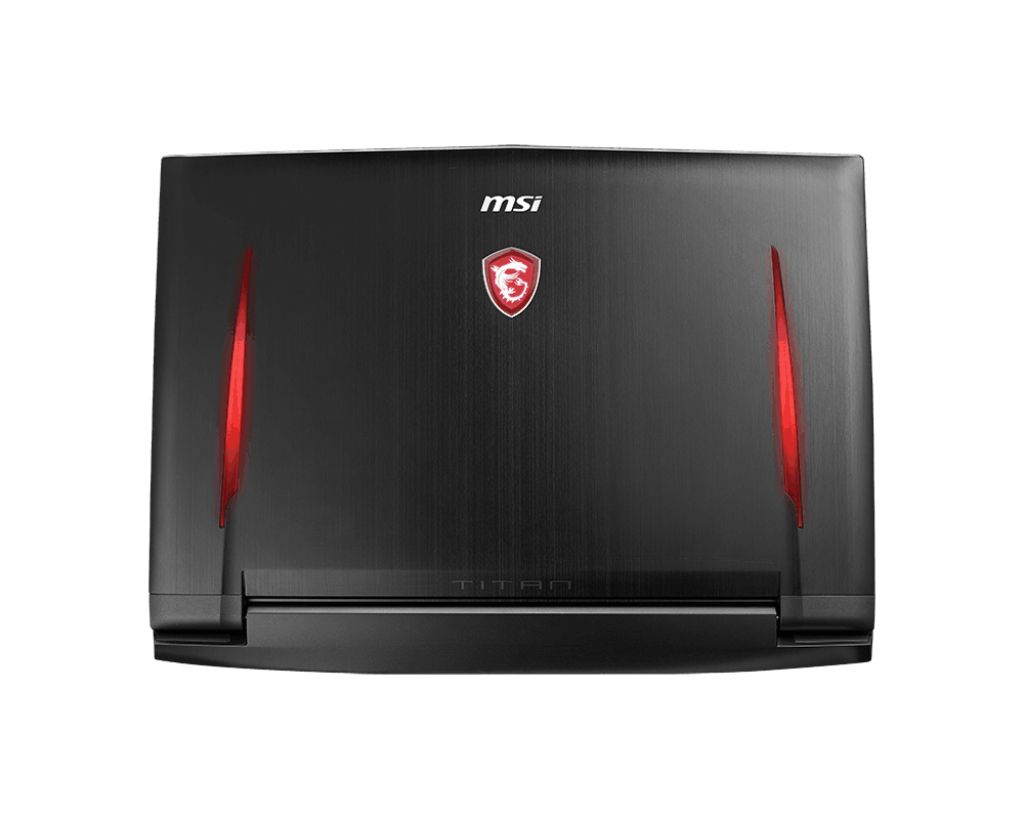
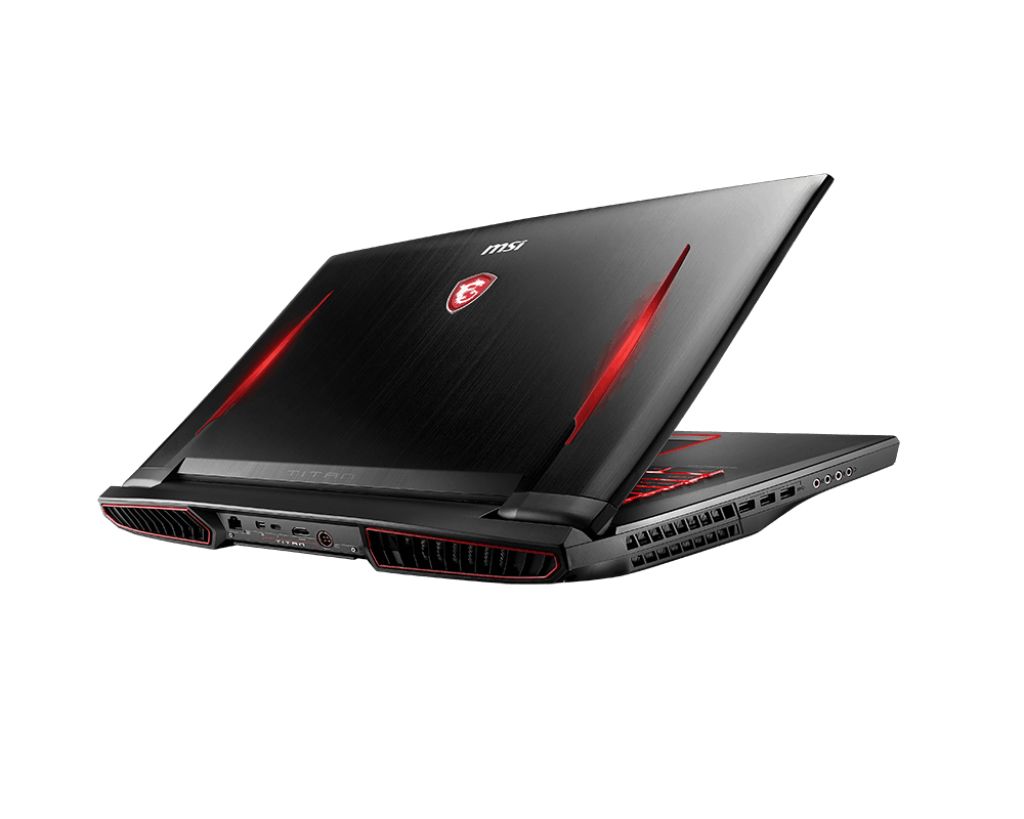
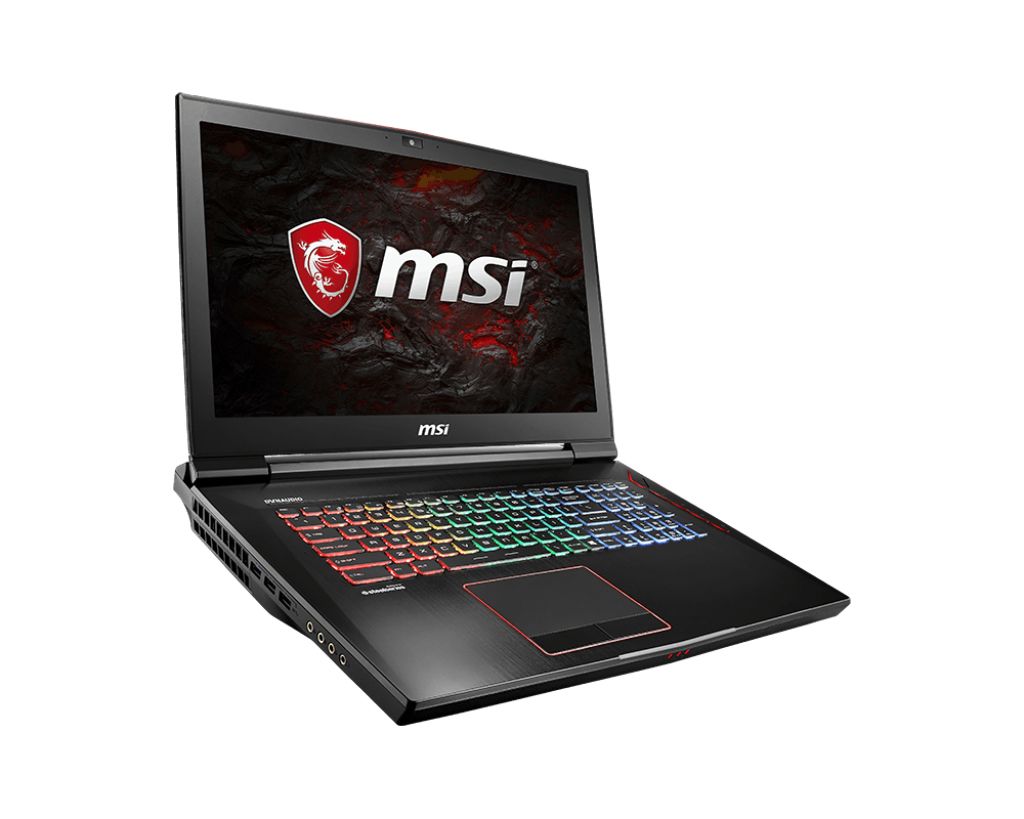
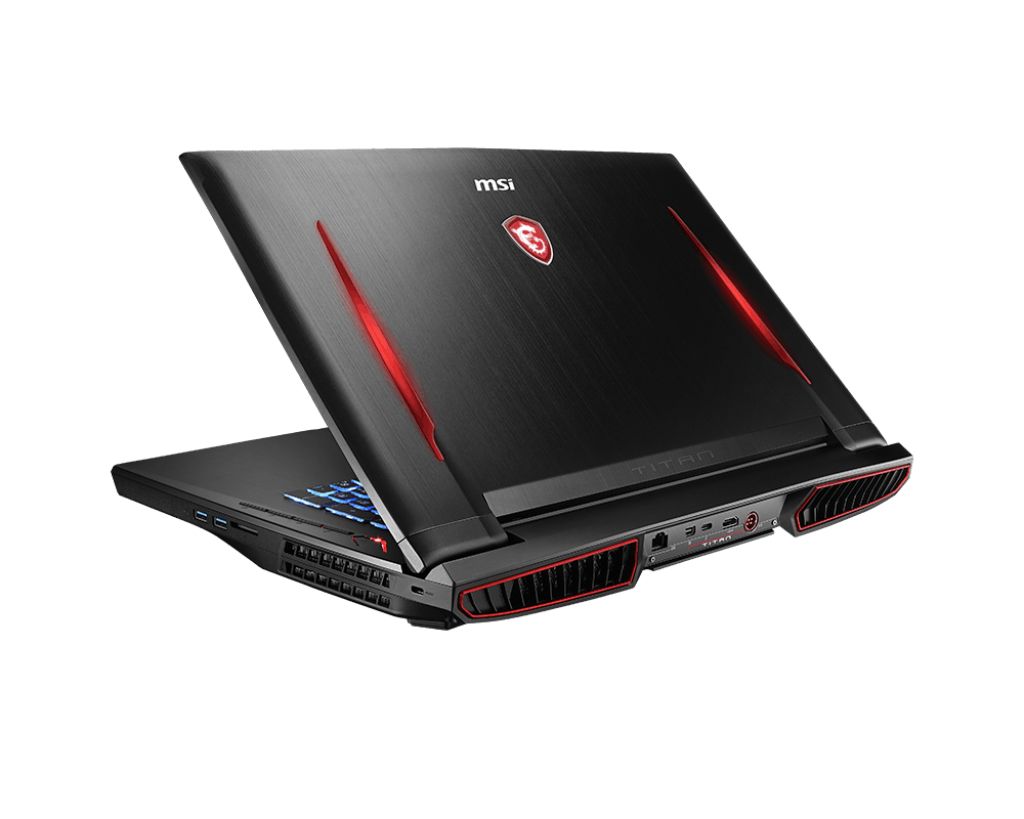
The MSI GT73EVR 7RE-835ES Titan gaming laptop features four SO-DIMM memory slots supporting DDR4-SDRAM upgrades at 2400 MHz frequency. The device accommodates maximum RAM capacity of 64 GB total, enabling significant memory expansion from factory specifications. Compatible upgrade modules must meet DDR4-SDRAM standards and SO-DIMM form factor requirements. Memory upgrade slots provide flexibility for users requiring enhanced multitasking capabilities and performance optimization for demanding applications and gaming environments.
Memory Upgrade Specifications
| Specification | Value |
|---|---|
| Memory slots | 4x SO-DIMM |
| Form factor | SO-DIMM |
| Memory type | DDR4-SDRAM |
| Frequency | 2400 MHz |
| Maximum RAM | 64 GB |
| Voltage | 1.2V |
| Number of pins | 260-pin |
| Interface | PC4 |
| PC Speed Rating | PC4-2400 (PC4-19200) |
| Bandwidth | 19.2 GB/s |
| Laptop Release date | 02 January 2018 |
Additional Notes
- The MSI GT73EVR 7RE-835ES Titan supports 4 SO-DIMM slots, enabling maximum capacity of 64 GB when populated with 16 GB modules at rated frequency, doubling typical configurations from that generation.
- DDR4-2400 MHz represents the native JEDEC standard for this platform; modules rated higher than 2400 MHz will operate at 2400 MHz unless manual overclocking is applied through BIOS, resulting in no performance gain from premium-speed memory.
- SO-DIMM form factor necessitates laptop-specific memory; standard desktop DDR4 cannot be mechanically installed, and mixing SO-DIMM generations (DDR3 vs DDR4) will cause system failure to POST.
- All 4 slots remain accessible without removing the display panel, allowing warranty-compliant upgrades when performed on externally accessible memory compartments; however, thermal paste replacement near memory zones may void coverage depending on MSI service terms.
- Upgrading from stock configuration to 64 GB requires 4x16 GB modules; purchasing in matched kits maintains SPD timing consistency and eliminates asymmetric channel latency, which can reduce gaming performance by 3-8 percent in memory-intensive scenarios.
- The 64 GB ceiling reflects 7th-generation Intel platform constraints; BIOS implementations on this chipset do not recognize DIMMs exceeding 16 GB per slot regardless of physical capacity, making 32 GB modules incompatible.