MSI Gaming GT72VR-288 DOMINATOR RAM upgrade specifications
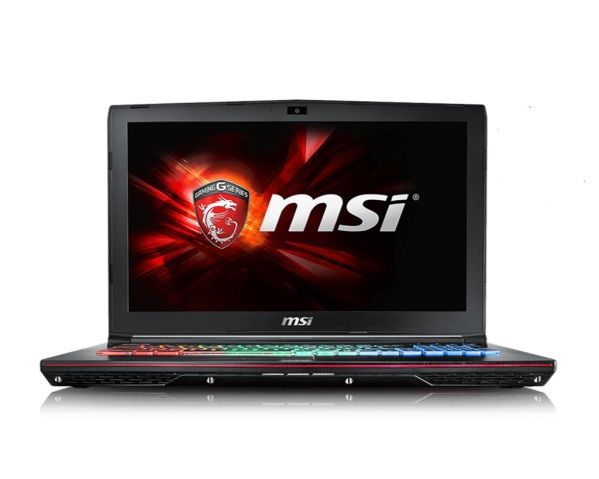
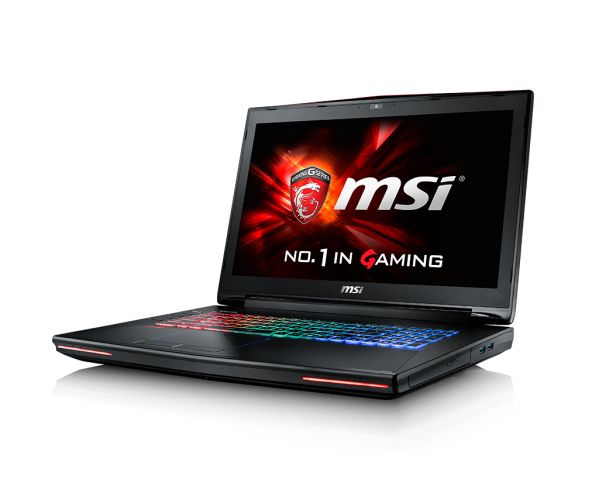
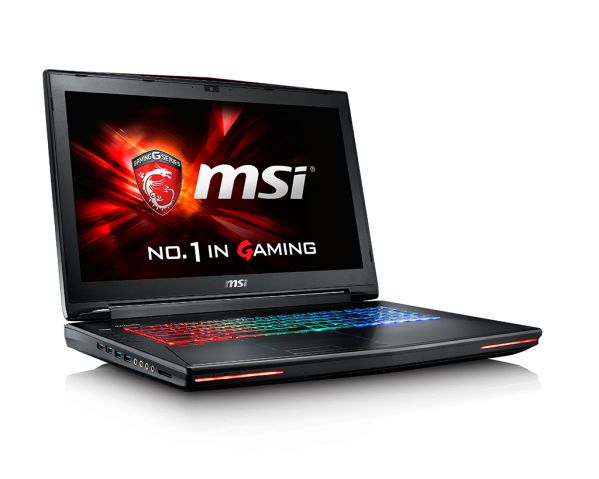
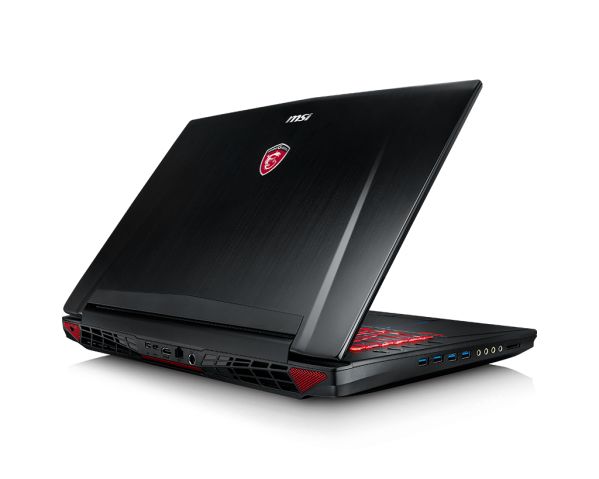
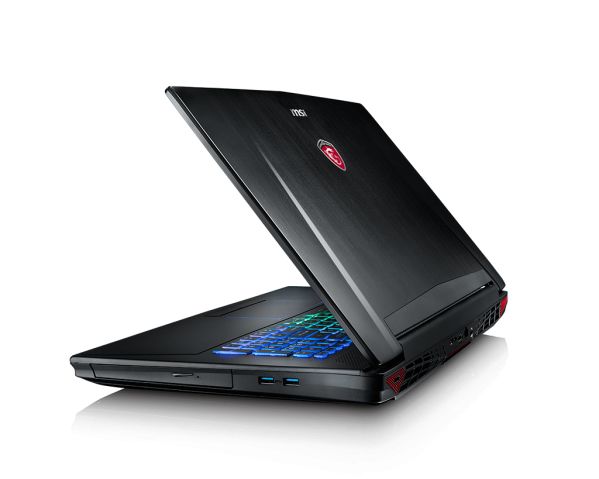
The MSI GT72VR-288 DOMINATOR gaming laptop features four SO-DIMM slots for DDR4-SDRAM memory upgrades. The system supports a maximum RAM capacity of 64 GB with memory specifications compatible to 2400 MHz frequency. Users can upgrade the memory configuration by installing additional or replacement DDR4 modules in the available SO-DIMM slots to enhance system performance specifications.
Memory Upgrade Specifications
| Specification | Value |
|---|---|
| Memory slots | 4x SO-DIMM |
| Form factor | SO-DIMM |
| Memory type | DDR4-SDRAM |
| Frequency | 2400 MHz |
| Maximum RAM | 64 GB |
| Voltage | 1.2V |
| Number of pins | 260-pin |
| Interface | PC4 |
| PC Speed Rating | PC4-2400 (PC4-19200) |
| Bandwidth | 19.2 GB/s |
| Laptop Release date | 02 October 2016 |
Additional Notes
- The presence of 4 SO-DIMM slots implies a dual-channel architecture where modules must be installed in pairs to maintain optimal memory bandwidth and avoid performance penalties during high-load gaming scenarios.
- Physical access to all memory sockets on the MSI GT72VR-288 DOMINATOR typically involves two slots located under the primary service panel and two additional slots situated beneath the keyboard assembly, requiring significant disassembly for a full capacity reach.
- Installing modules with frequencies exceeding 2400 MHz results in an automatic downclocking to the system bus limit, as the chipset restricts operational speeds to the specified native frequency regardless of the XMP profiles present on the hardware.
- Reaching the 64 GB threshold necessitates the use of 16 GB high-density modules in every available slot, which increases the thermal load within the chassis due to the proximity of the populated populated sockets.
- Mixing memory modules of varying densities or ranks across the 4 slots can lead to system instability or a failure to post, making identical specification matching critical for stability.
- The utilization of all 4 slots provides a substantial overhead for workstation-class tasks such as 4K video rendering and virtualization but offers diminishing returns for standard gaming applications compared to a 16 GB or 32 GB configuration.