MSI Gaming GT73VR 7RE(Titan)-411NE RAM upgrade specifications
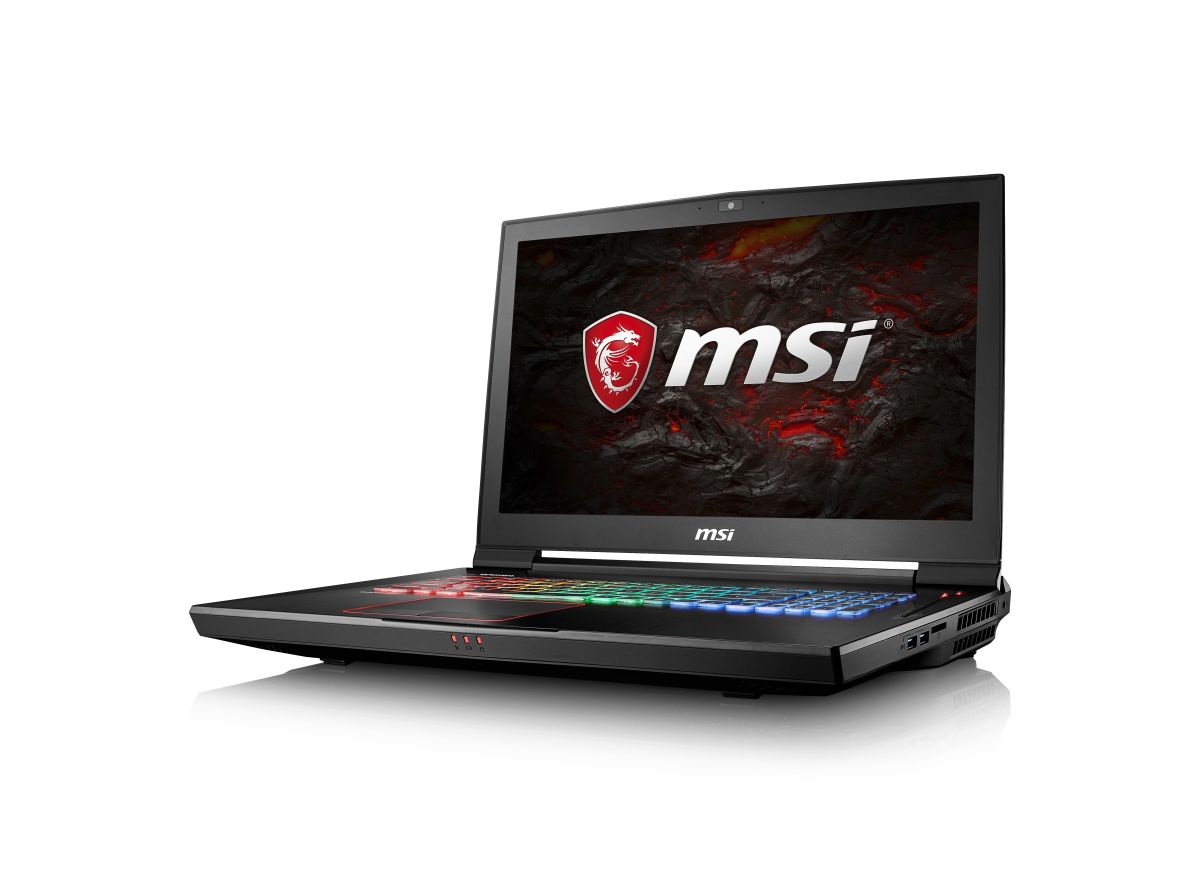
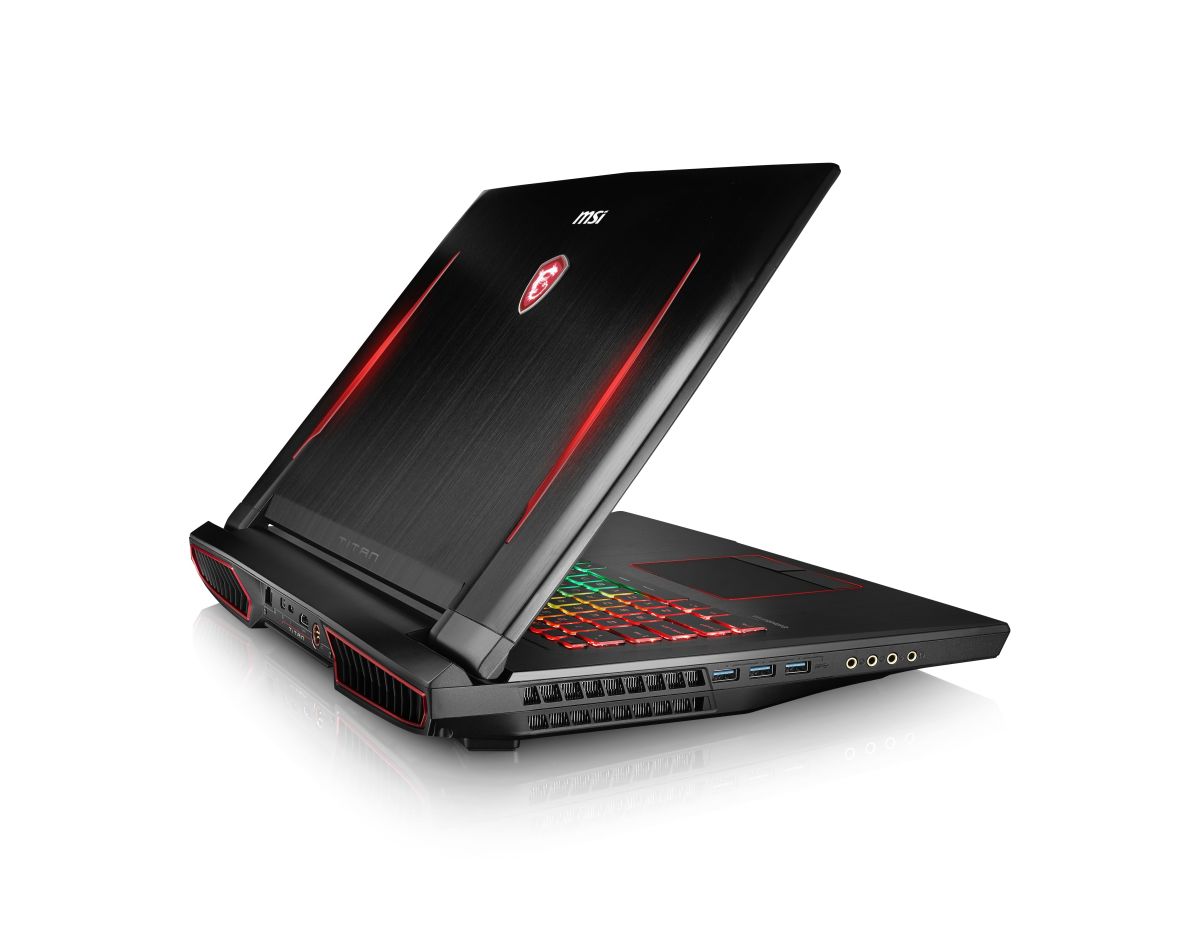
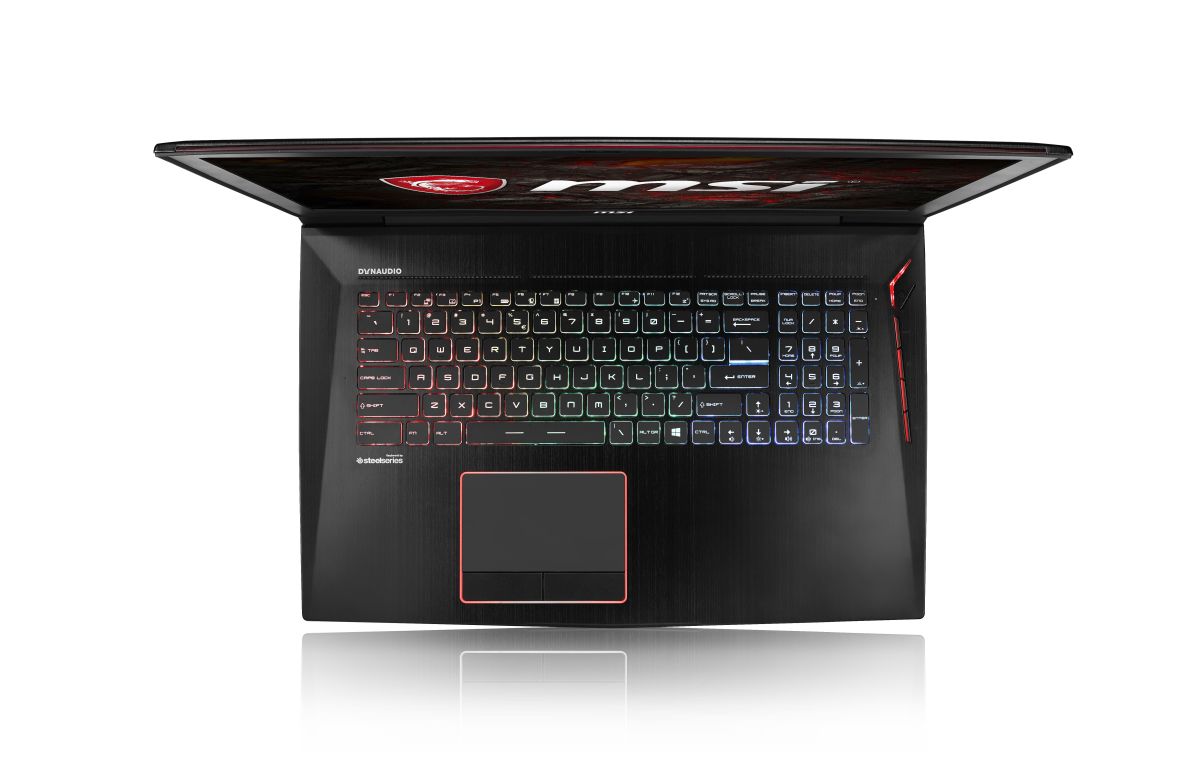
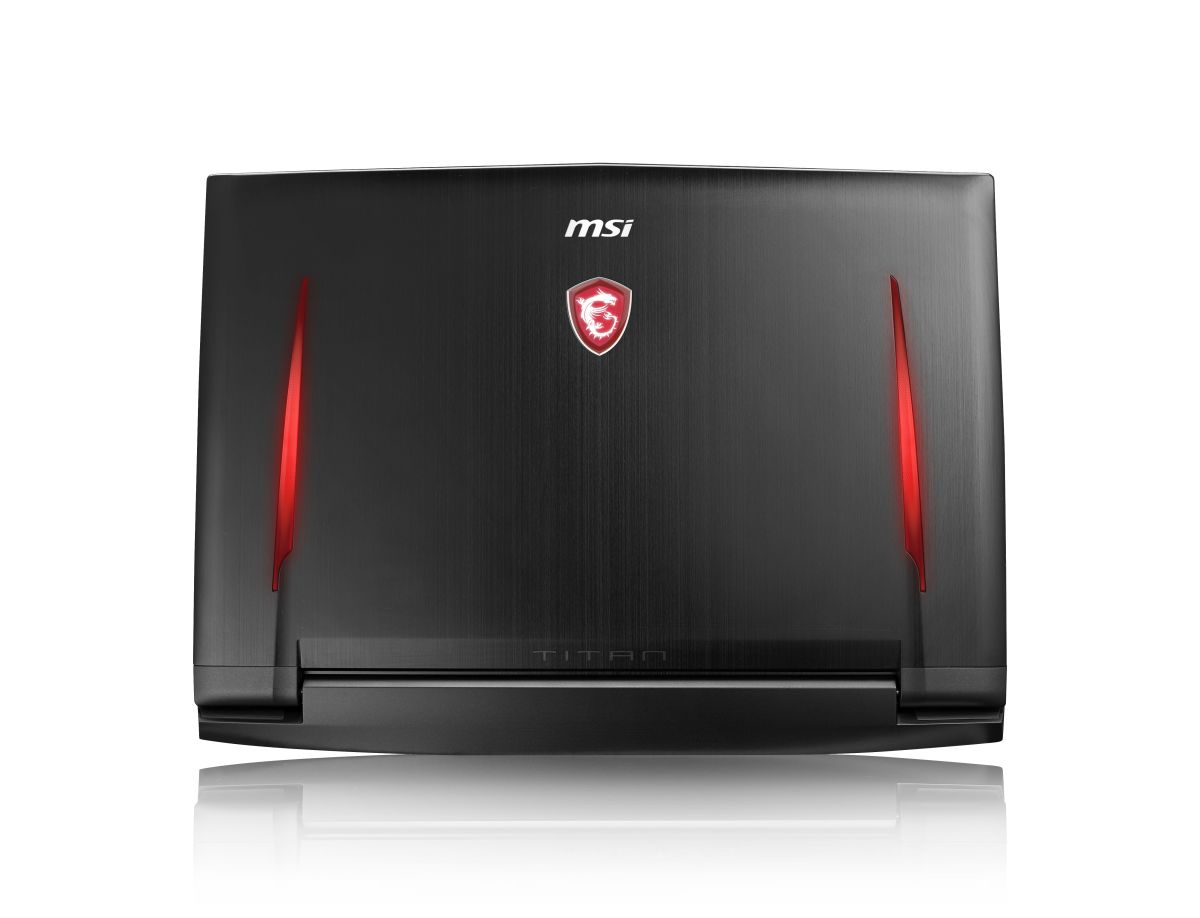
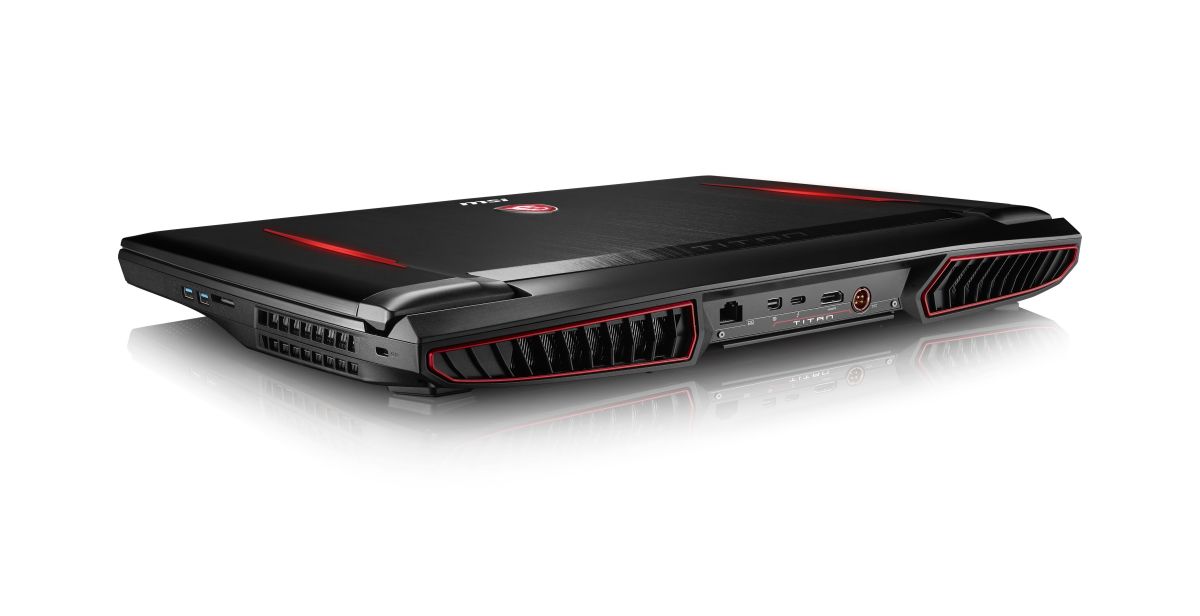
The MSI GT73VR 7RE(Titan)-411NE Gaming series laptop features four SO-DIMM memory slots supporting DDR4-SDRAM upgrades. Compatible memory modules operate at 2400 MHz frequency with maximum aggregate capacity of 64 GB. The GT73VR 7RE(Titan)-411NE specifications allow for memory expansion through standard SO-DIMM form factor modules. Upgrade compatibility requires DDR4-SDRAM modules matching the laptop's specifications and slot configuration. Current memory capacity can be expanded up to the maximum 64 GB limit using the available upgrade slots on MSI's Gaming GT series model.
Memory Upgrade Specifications
| Specification | Value |
|---|---|
| Memory slots | 4x SO-DIMM |
| Form factor | SO-DIMM |
| Memory type | DDR4-SDRAM |
| Frequency | 2400 MHz |
| Maximum RAM | 64 GB |
| Voltage | 1.2V |
| Number of pins | 260-pin |
| Interface | PC4 |
| PC Speed Rating | PC4-2400 (PC4-19200) |
| Bandwidth | 19.2 GB/s |
| Laptop Release date | 10 January 2017 |
Additional Notes
- The MSI GT73VR 7RE(Titan)-411NE contains 4 SO-DIMM slots operating at 2400 MHz, permitting maximum capacity expansion to 64 GB across paired configurations of matching modules.
- DDR4-2400 frequency represents the supported native speed; third-party modules rated above this threshold will operate at reduced 2400 MHz speeds unless the BIOS supports XMP/DOCP profiles for the specific module model, creating potential performance variance between branded and non-verified aftermarket memory.
- Dual-channel memory architecture requires population in matched pairs across separate slot banks to achieve rated bandwidth; populating all 4 slots simultaneously with mismatched module speeds or timings may trigger automatic downclocking to the slowest module's specification.
- SO-DIMM form factor dictates that only laptop-grade modules will physically fit; standard UDIMM desktop memory is mechanially incompatible and cannot be forced into these slots without permanent damage to the connector.
- The 4-slot design constrains the upgrade pathway; users cannot selectively replace individual modules without considering capacity balance, as adding a single 16 GB module to existing memory will create asymmetrical channel loading unless the existing configuration is simultaneously replaced.
- Warranty preservation requires verification that replacement modules meet MSI's approved specifications before installation; mixing non-certified DDR4 variants may void hardware support despite physical compatibility.