MSI Gaming GT73VR 7RE(Titan 4K)-405NE RAM upgrade specifications

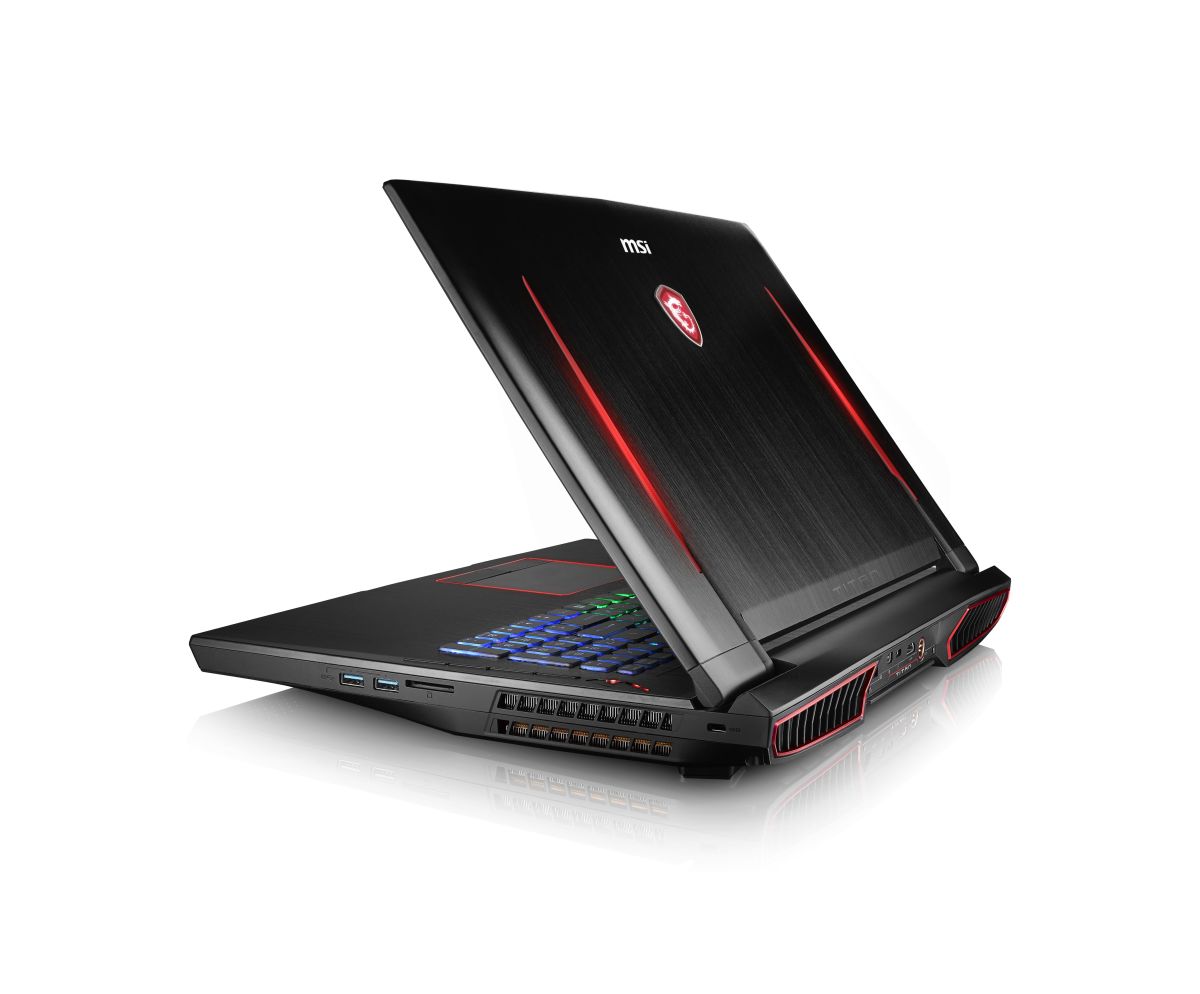
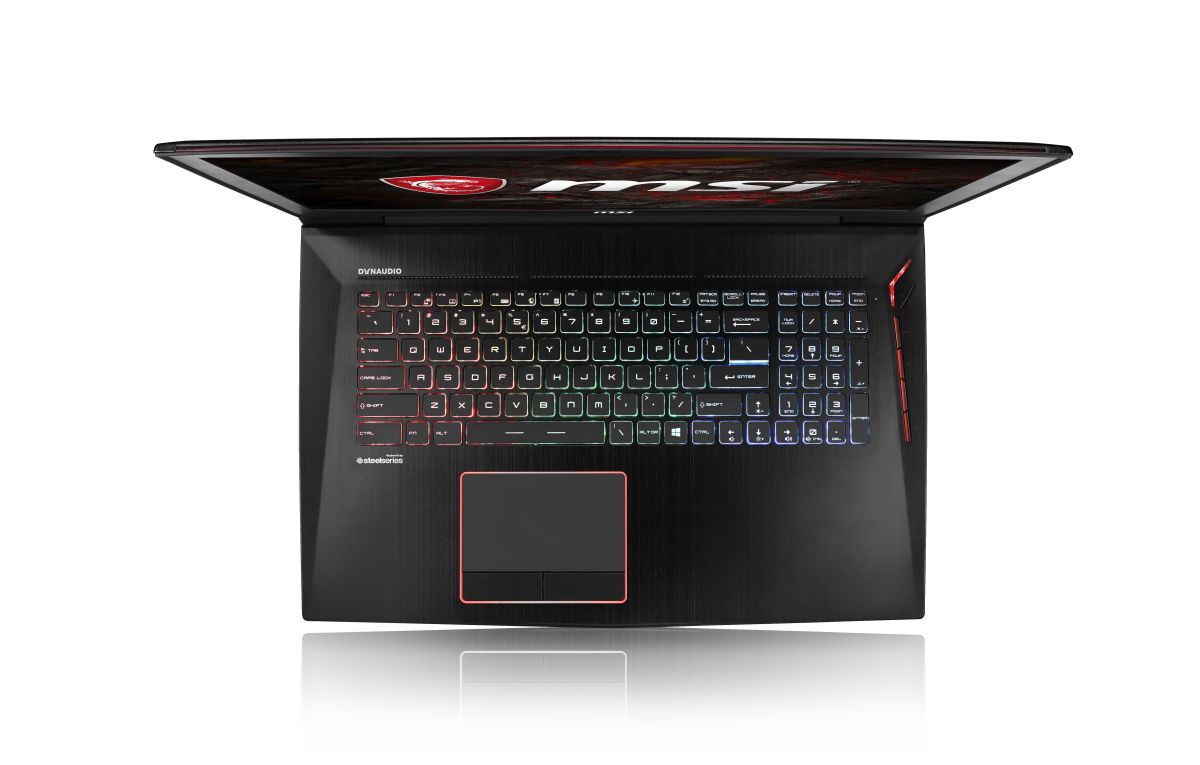
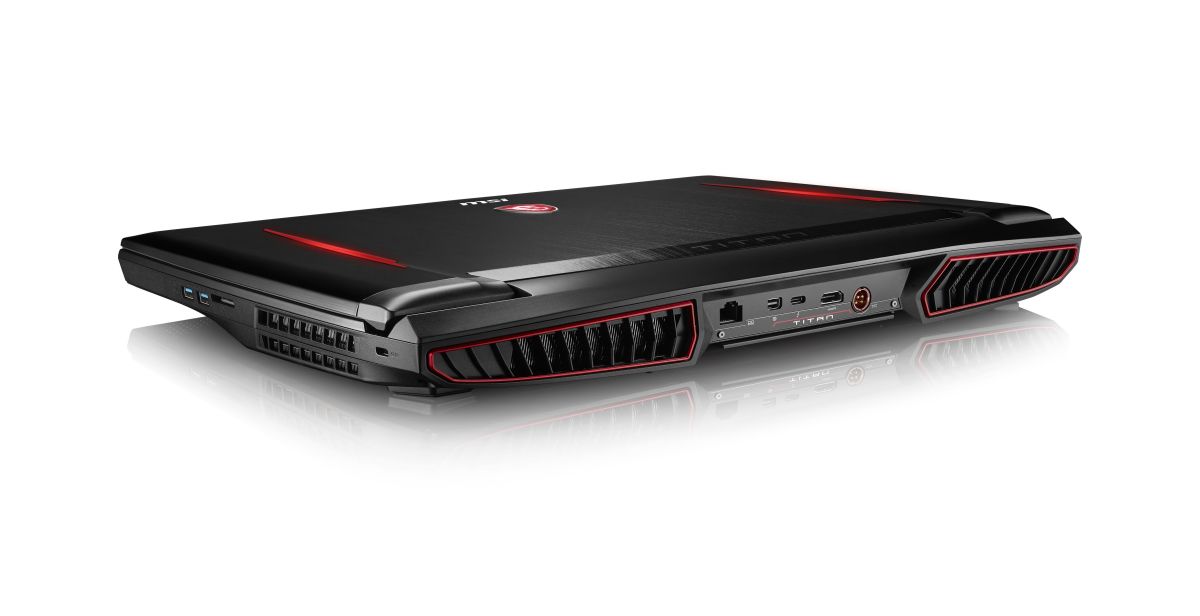
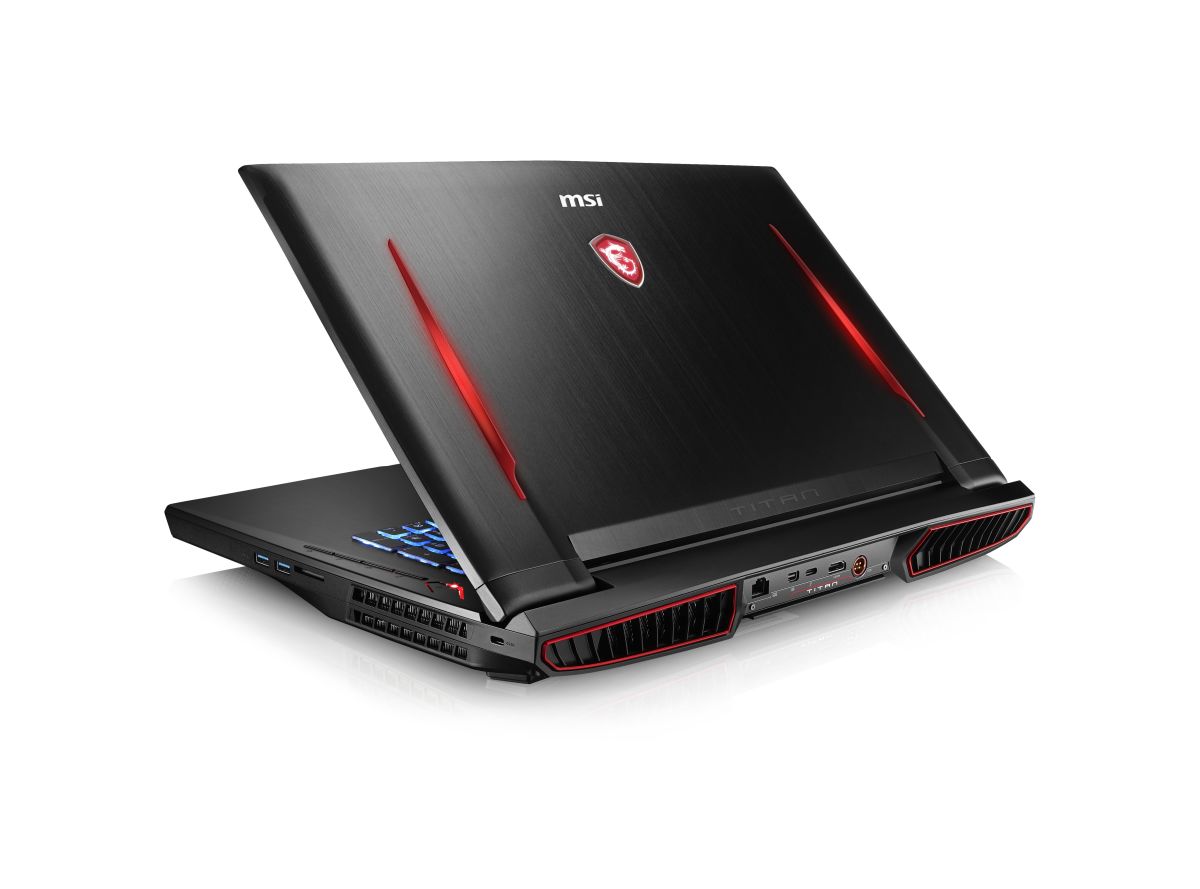
MSI GT73VR 7RE(Titan 4K)-405NE gaming laptop RAM upgrade specifications include DDR4-SDRAM memory compatible with 4 SO-DIMM slots. Maximum RAM capacity reaches 64 GB total. Memory operates at 2400 MHz frequency. SO-DIMM form factor ensures compatibility with upgrade requirements. GT series specifications support memory expansion for enhanced multitasking performance.
Memory Upgrade Specifications
| Specification | Value |
|---|---|
| Memory slots | 4x SO-DIMM |
| Form factor | SO-DIMM |
| Memory type | DDR4-SDRAM |
| Frequency | 2400 MHz |
| Maximum RAM | 64 GB |
| Voltage | 1.2V |
| Number of pins | 260-pin |
| Interface | PC4 |
| PC Speed Rating | PC4-2400 (PC4-19200) |
| Bandwidth | 19.2 GB/s |
| Laptop Release date | 10 January 2017 |
Additional Notes
- The 4 SO-DIMM configuration permits incremental memory expansion without requiring complete module replacement when upgrading from lower capacities.
- DDR4-2400 operates at lower voltage than DDR3 predecessors, generating reduced thermal output within the chassis during sustained workloads.
- The 64 GB ceiling requires 4 modules of 16 GB each, as SO-DIMM density limitations prevent single-module configurations from reaching this capacity.
- Installing modules in unmatched pairs disables dual-channel operation, reducing memory bandwidth by approximately 50% compared to matched configurations.
- Higher-frequency DDR4 modules will downclock to 2400 MHz when installed, as the memory controller enforces this maximum regardless of module specifications.
- Non-ECC modules are required, as the consumer-grade chipset in the MSI GT73VR 7RE(Titan 4K)-405NE lacks error-correcting code support.
- Accessing the memory slots on this model typically requires bottom panel removal, with thermal paste reapplication recommended if heatsink displacement occurs during installation.
- Mixed-capacity configurations function but force the memory controller to operate in flex mode, which introduces asymmetric channel utilization and potential performance inconsistencies.
- The 260-pin SO-DIMM standard physically prevents installation of incompatible DDR3 modules, which utilize 204-pin layouts.
- Third-party memory installations generally preserve manufacturer warranties, though verification of regional warranty terms remains advisable before modification.
- Single-rank versus dual-rank module topology affects memory interleaving efficiency, with quad-channel population of dual-rank modules maximizing bandwidth under specific workloads.