MSI Gaming GT73VR 7RE(Titan SLI 4K)-299NE RAM upgrade specifications

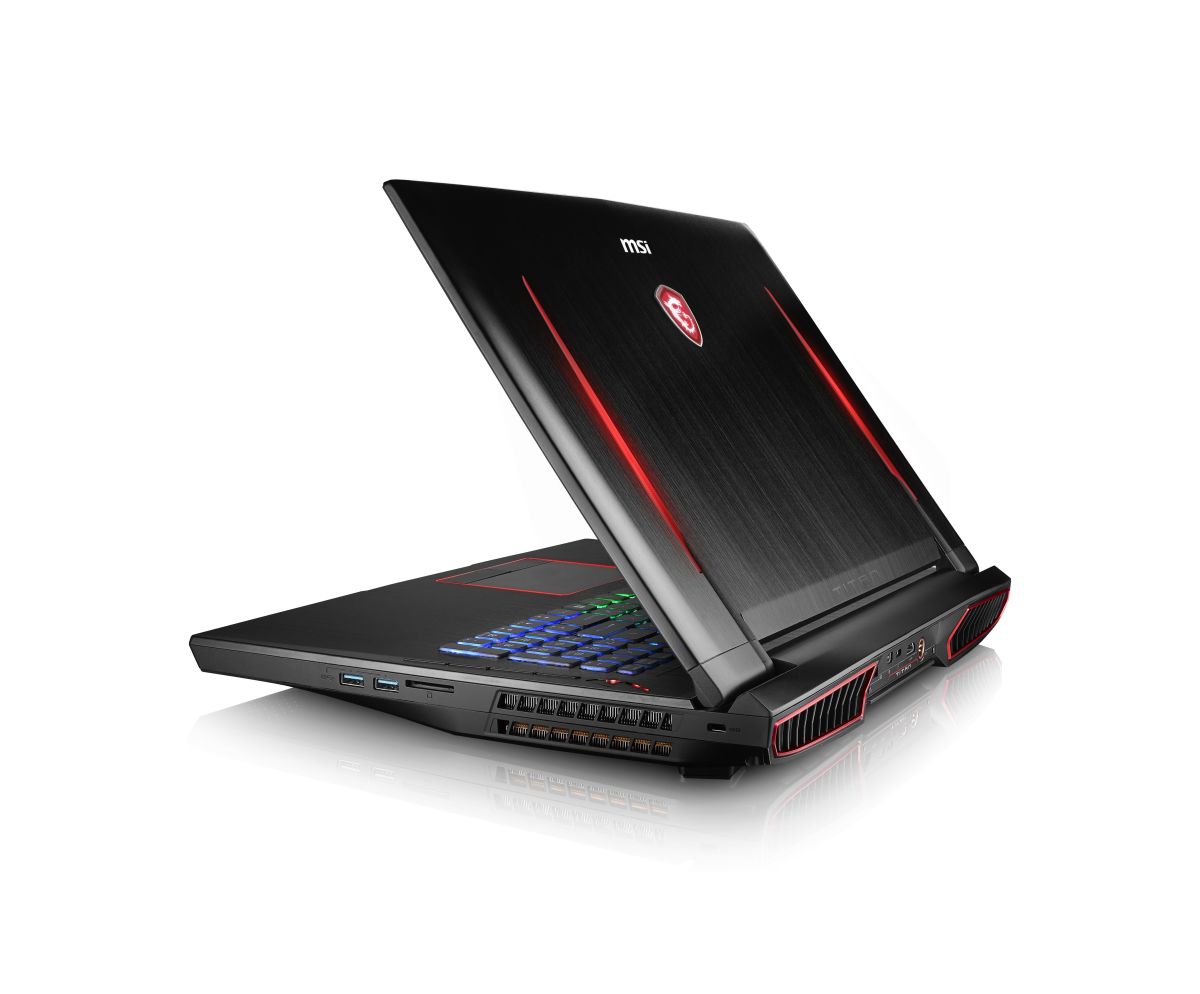
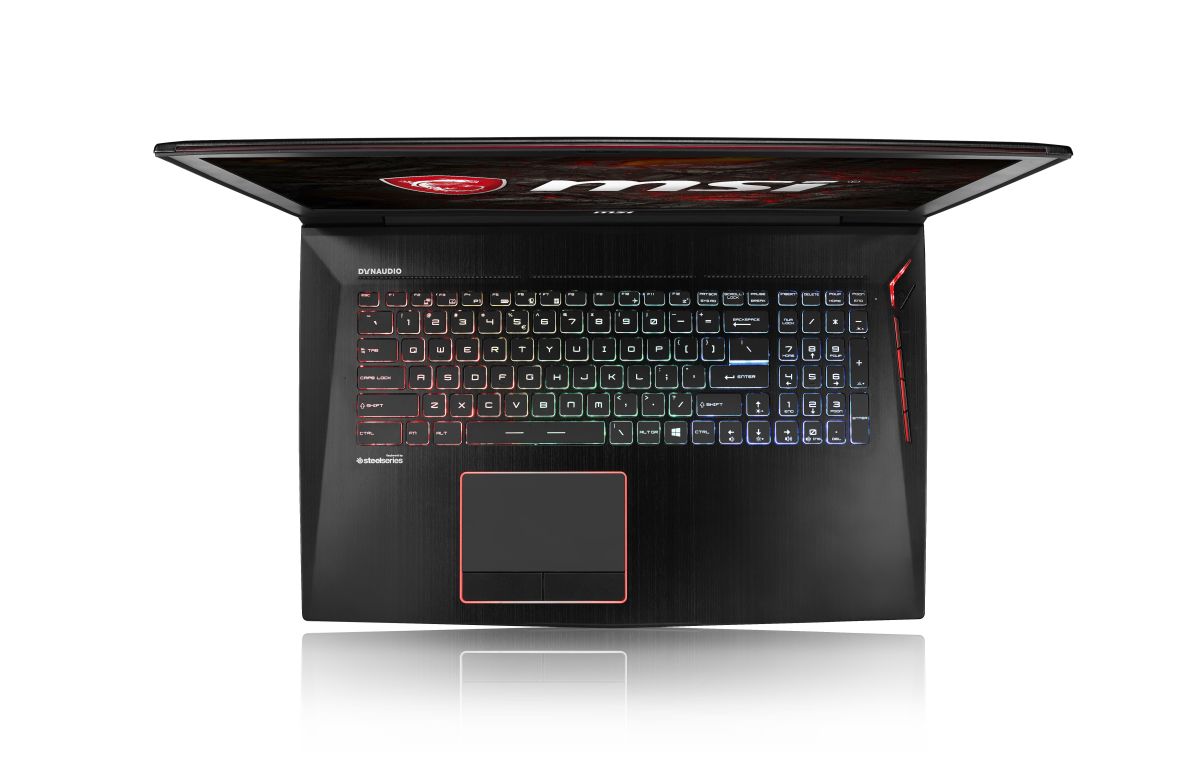
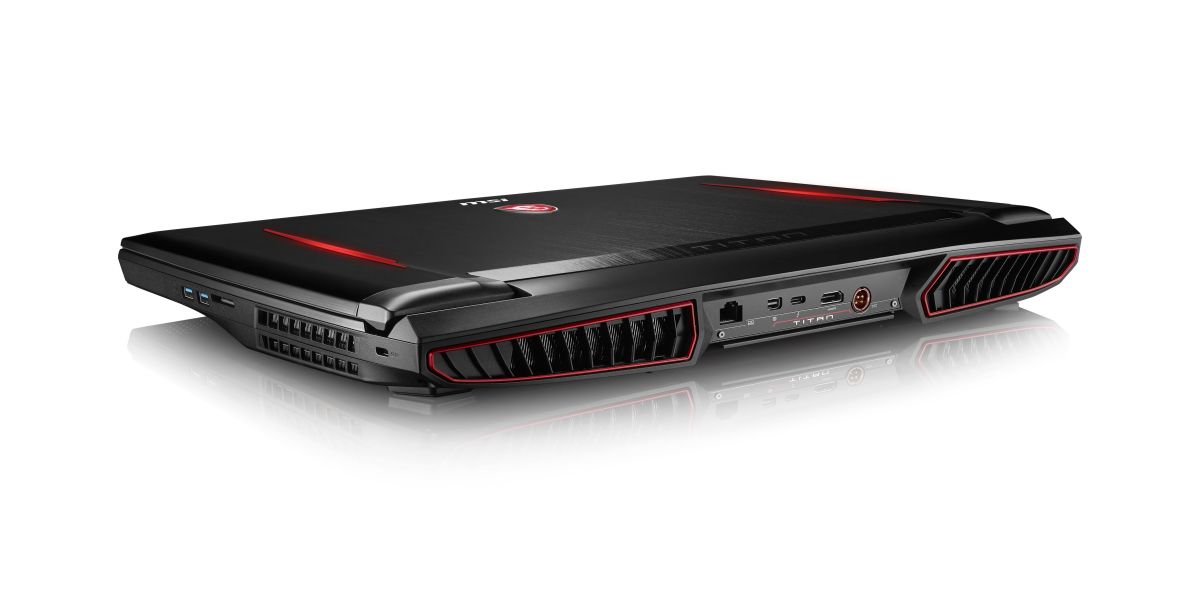
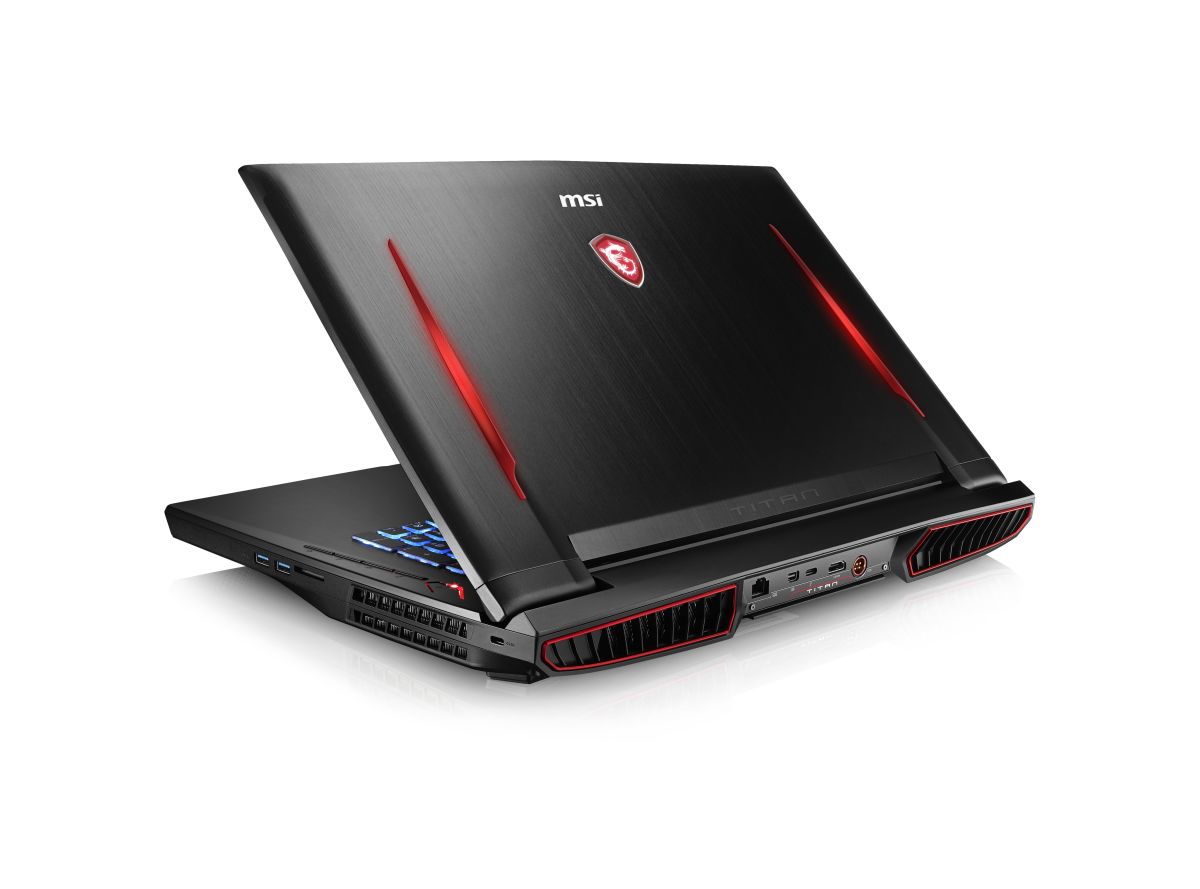
The MSI GT73VR 7RE Gaming series laptop supports DDR4-SDRAM memory upgrade specifications. The device features 4 SO-DIMM slots for memory expansion, accommodating a maximum RAM capacity of 64 GB. Compatible memory modules operate at 2400 MHz frequency. The upgrade specifications indicate the GT73VR 7RE(Titan SLI 4K)-299NE model supports SO-DIMM form factor RAM, enabling users to expand memory capacity according to compatible DDR4 specifications and slot availability.
Memory Upgrade Specifications
| Specification | Value |
|---|---|
| Memory slots | 4x SO-DIMM |
| Form factor | SO-DIMM |
| Memory type | DDR4-SDRAM |
| Frequency | 2400 MHz |
| Maximum RAM | 64 GB |
| Voltage | 1.2V |
| Number of pins | 260-pin |
| Interface | PC4 |
| PC Speed Rating | PC4-2400 (PC4-19200) |
| Bandwidth | 19.2 GB/s |
| Laptop Release date | 10 January 2017 |
Additional Notes
- The MSI GT73VR 7RE(Titan SLI 4K)-299NE supports a maximum of 16 GB per slot when utilizing all 4 memory slots to reach the 64 GB system limit.
- DDR4-2400 represents the native JEDEC speed for this platform, meaning modules rated at higher frequencies will downclock to 2400 MHz unless XMP profiles are supported and enabled in BIOS.
- SO-DIMM form factor restricts module height to approximately 30 millimeters, eliminating compatibility with desktop UDIMM modules which measure 31.25 millimeters and use different notch positioning.
- Mixing memory modules with different densities across slots may force all modules to operate at the speed and timings of the slowest installed module, potentially degrading system performance.
- Accessing memory slots typically requires complete disassembly of the bottom panel and may involve removing the battery assembly, which could void warranty seals if still under manufacturer coverage.
- Dual-channel architecture achieves optimal bandwidth when identical module pairs are installed in matching slots, typically designated as channels A and B in the service manual.
- The 7th generation Intel Core platform limits memory bandwidth to DDR4-2400 at the chipset level regardless of installed module specifications, making higher-speed modules functionally redundant unless future platform migration is planned.
- ECC SO-DIMM modules are incompatible with this consumer-grade mobile platform despite physical fitment, as the memory controller lacks error correction support.
- Single-rank versus dual-rank module topology affects memory controller load, with 4 dual-rank modules potentially causing stability issues or requiring voltage adjustments not accessible in locked mobile BIOS implementations.
- Operating voltage is standardized at 1.2V for DDR4-2400 SO-DIMM modules, while low-voltage variants rated at 1.05V may exhibit compatibility issues with mobile chipset firmware.