MSI Gaming GT73EVR 7RF-1200 Titan Pro RAM upgrade specifications
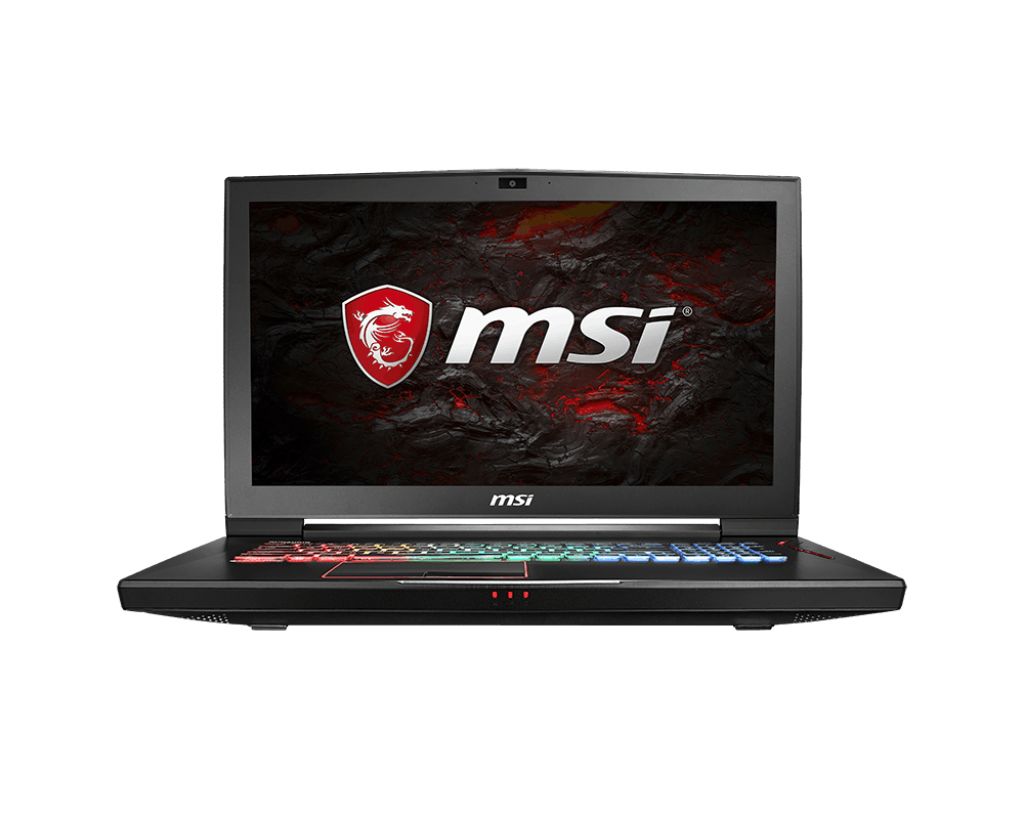
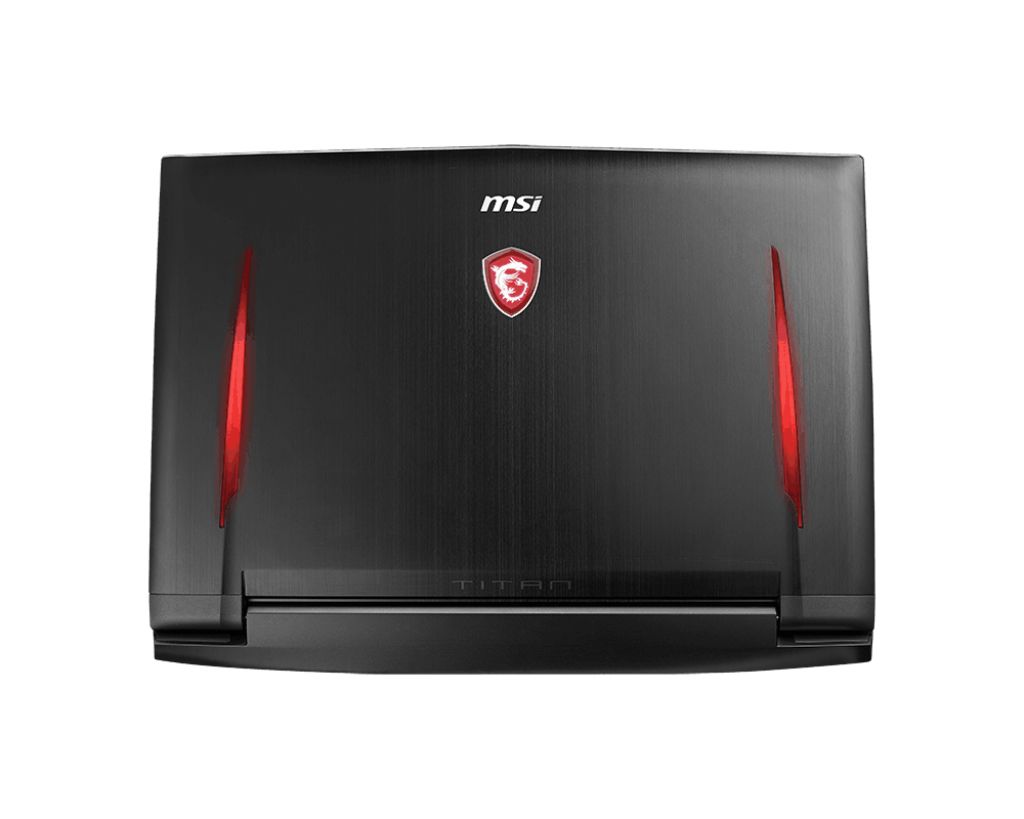
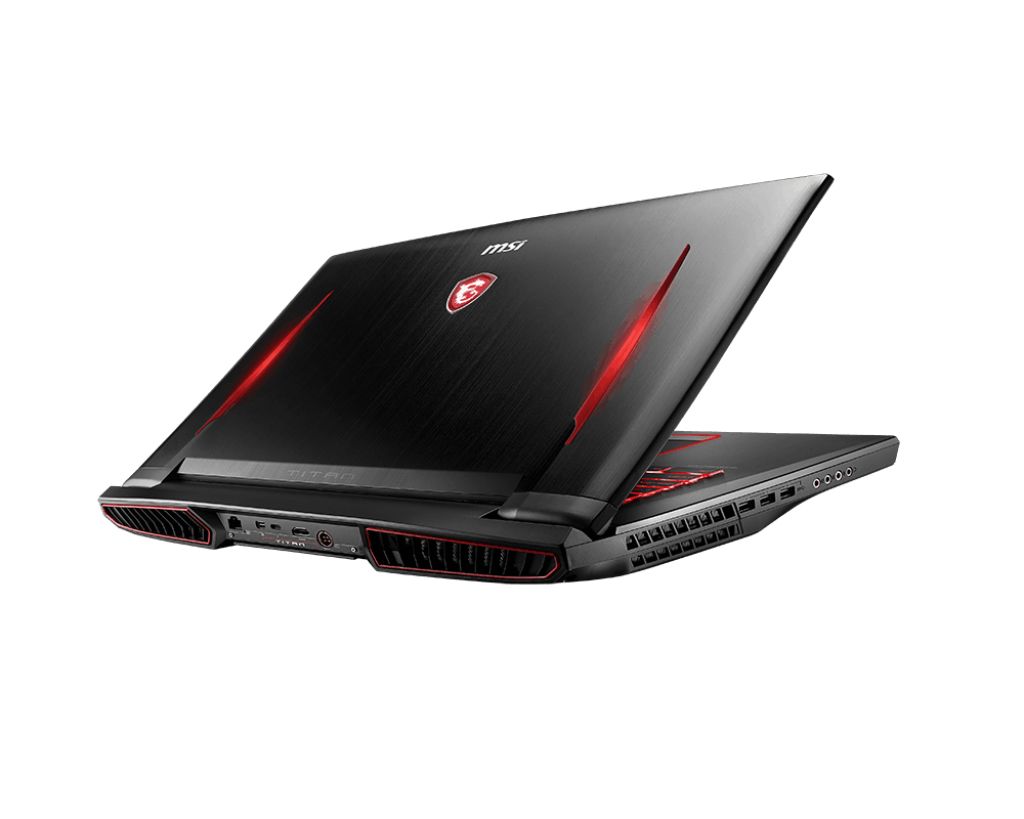

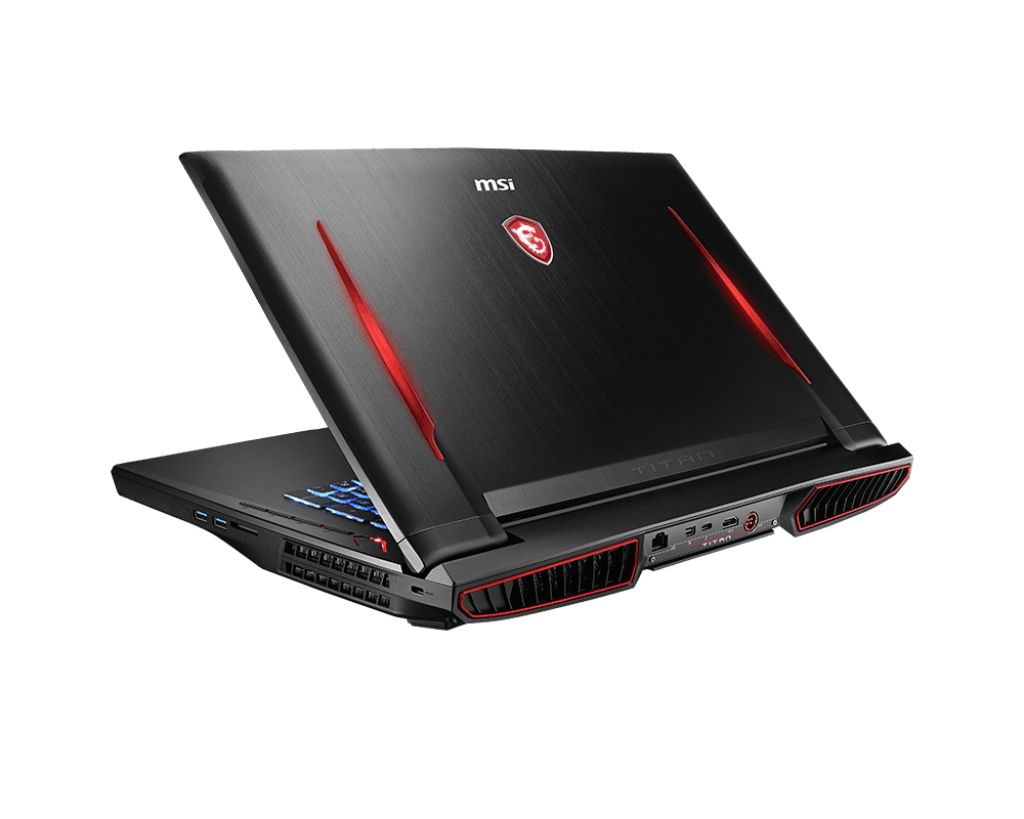
The MSI GT73EVR 7RF-1200 Titan Pro gaming laptop supports DDR4-SDRAM memory upgrades through four SO-DIMM slots. Maximum compatible RAM capacity reaches 64 GB total. Memory specifications include 2400 MHz frequency support. Upgrade options accommodate standard SO-DIMM form factor modules. The GT series gaming family specifications enable memory expansion for enhanced multitasking and performance requirements. Existing memory slots allow configuration flexibility within the maximum capacity constraints.
Memory Upgrade Specifications
| Specification | Value |
|---|---|
| Memory slots | 4x SO-DIMM |
| Form factor | SO-DIMM |
| Memory type | DDR4-SDRAM |
| Frequency | 2400 MHz |
| Maximum RAM | 64 GB |
| Voltage | 1.2V |
| Number of pins | 260-pin |
| Interface | PC4 |
| PC Speed Rating | PC4-2400 (PC4-19200) |
| Bandwidth | 19.2 GB/s |
| Laptop Release date | 06 March 2018 |
Additional Notes
- The quad-channel architecture allows for higher memory bandwidth compared to standard dual-slot laptops but requires matched modules across all four slots to maintain peak data transfer efficiency.
- Physical access to two of the memory slots on the MSI GT73EVR 7RF-1200 Titan Pro typically requires significant disassembly because they are located on the underside of the motherboard, necessitating the removal of the cooling assembly.
- Installing modules with speeds exceeding 2400 MHz will result in a localized downclocking to the motherboard bus limit, preventing the utilization of higher frequency profiles or lower latencies found in high-performance kits.
- Maximum capacity is achieved only through the use of 16 GB density modules in every slot, as the system firmware does not support 32 GB single-stick configurations common in newer generations.
- Mixing memory modules with different timings or voltages may trigger a failsafe boot mode, forcing the system to operate at the JEDEC baseline which increases memory latency during intensive gaming or rendering tasks.
- The dense physical stacking of 4 SO-DIMM modules in a high-performance chassis creates additional heat profiles within the internal cavity, potentially impacting the ambient temperature near the GPU and CPU heat pipes.