MSI Gaming GT75VR 7RF-033 Titan Pro RAM upgrade specifications
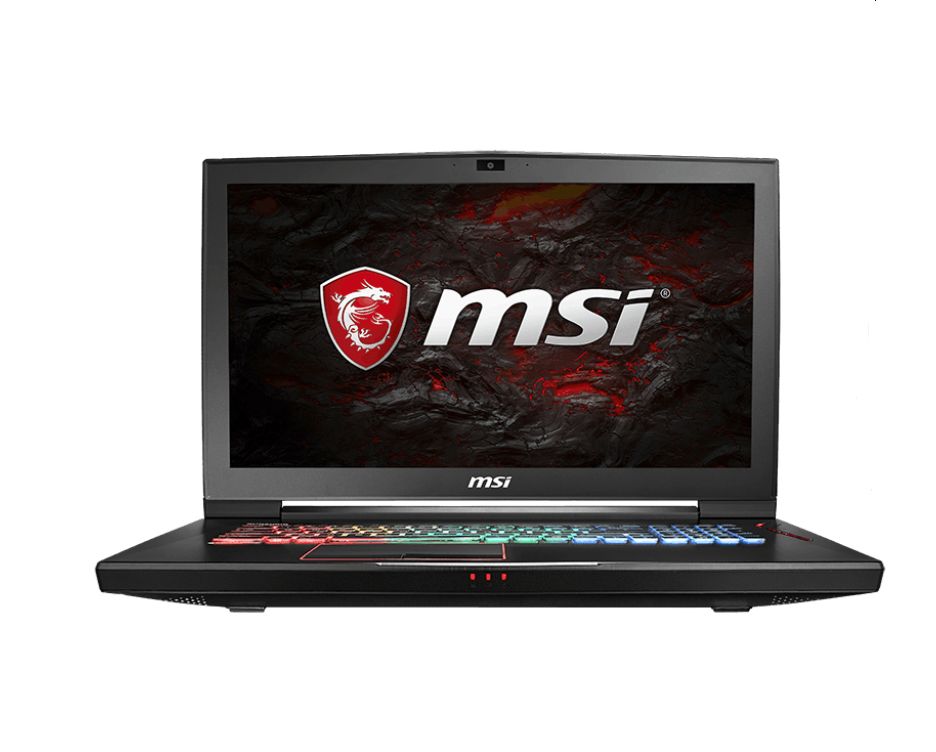

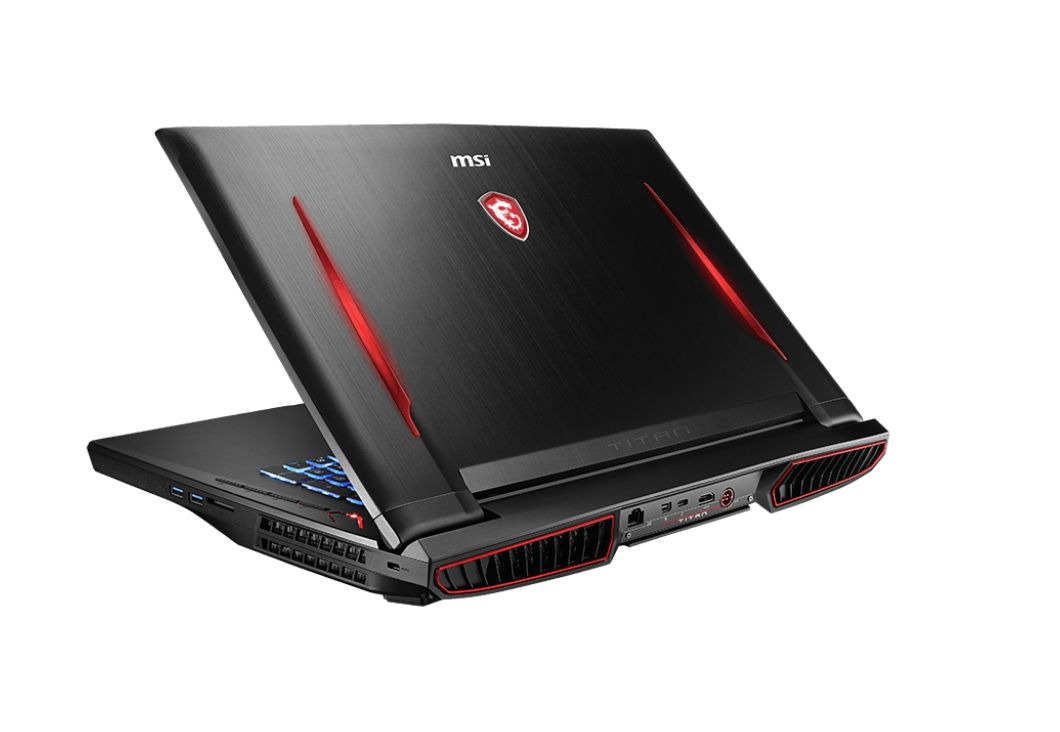
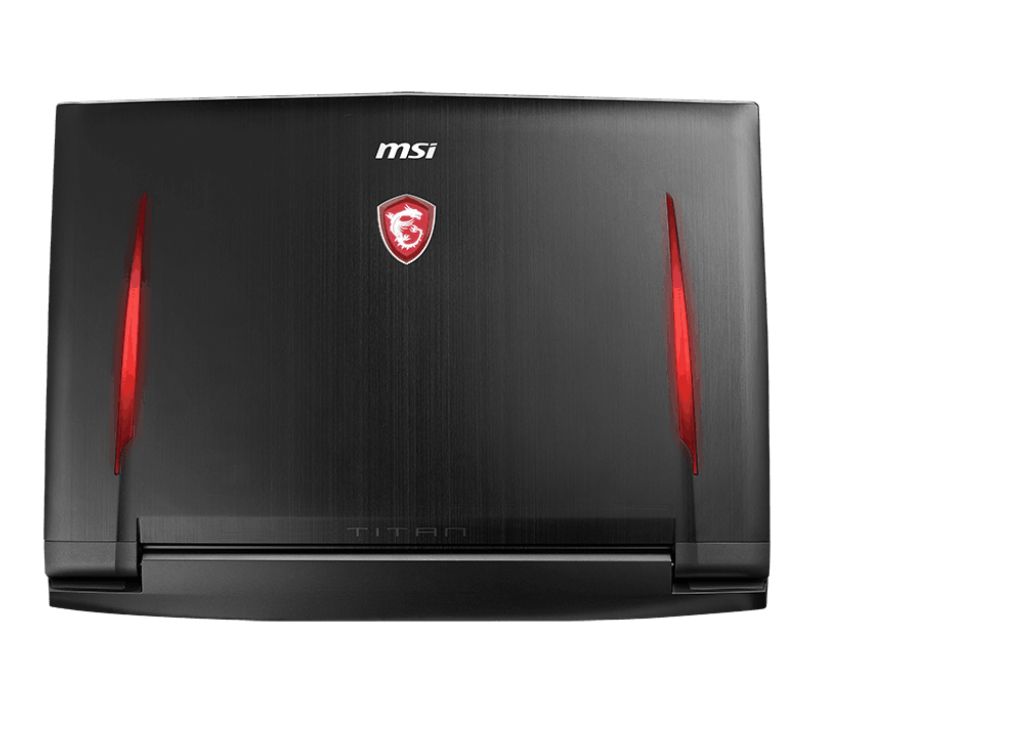
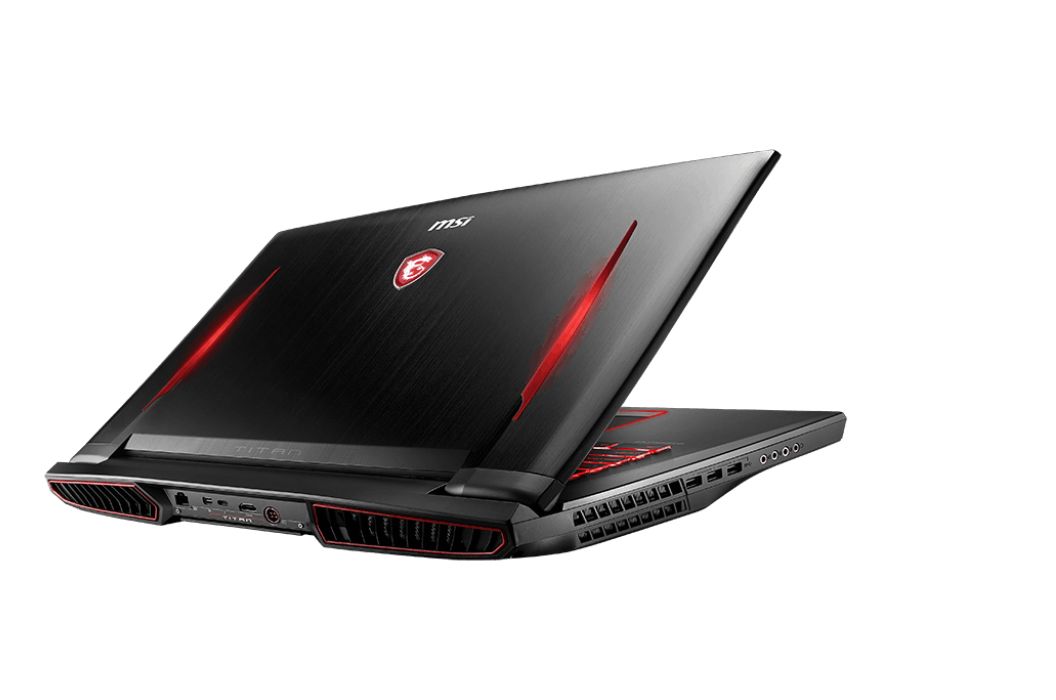
The MSI GT75VR 7RF-033 Titan Pro gaming laptop features DDR4-SDRAM memory configuration with 4x SO-DIMM slots supporting maximum upgrade capacity of 64 GB. Compatible memory modules operate at 2400 MHz frequency. The upgrade specifications indicate SO-DIMM form factor compatibility for RAM expansion on the GT series platform. Current memory capacity and available slot quantities determine upgrade potential for the GT75VR 7RF-033 Titan Pro model.
Memory Upgrade Specifications
| Specification | Value |
|---|---|
| Memory slots | 4x SO-DIMM |
| Form factor | SO-DIMM |
| Memory type | DDR4-SDRAM |
| Frequency | 2400 MHz |
| Maximum RAM | 64 GB |
| Voltage | 1.2V |
| Number of pins | 260-pin |
| Interface | PC4 |
| PC Speed Rating | PC4-2400 (PC4-19200) |
| Bandwidth | 19.2 GB/s |
| Laptop Release date | 01 July 2017 |
Additional Notes
- The 4 SO-DIMM configuration permits incremental memory expansion without immediate removal of existing modules when upgrading from lower capacities.
- The 2400 MHz frequency specification reflects the platform's Kaby Lake architecture limitations, which prevents faster DDR4 modules from operating beyond this speed even if installed.
- The 64 GB ceiling requires 4 modules of 16 GB each, as no single SO-DIMM module exceeds this density in the DDR4 generation compatible with this platform.
- Installation requires bottom panel disassembly on the MSI GT75VR 7RF-033 Titan Pro, which involves removing multiple screws and potentially disconnecting ribbon cables depending on the specific internal layout revision.
- Mixing modules with different latency timings will force all installed memory to operate at the slowest common timing, potentially degrading performance below the capabilities of faster modules.
- DDR4-2666 or DDR4-3200 modules will function but downclock automatically to 2400 MHz, offering no performance advantage over native 2400 MHz modules while typically costing more.
- The quad-channel memory architecture on this platform requires matched pairs in specific slots to activate full bandwidth, with improper population resulting in reduced memory throughput.
- Non-ECC unbuffered modules remain the only compatible type, as the mobile chipset lacks support for error-correcting or registered memory configurations.
- Thermal considerations become relevant at maximum capacity, as 4 populated slots generate more heat within the chassis than partial configurations, potentially affecting sustained workload temperatures.
- Voltage specification must remain at the standard 1.2V DDR4 rating, as low-voltage or overclocking-oriented modules may cause stability issues or fail to initialize during POST.